
Plants
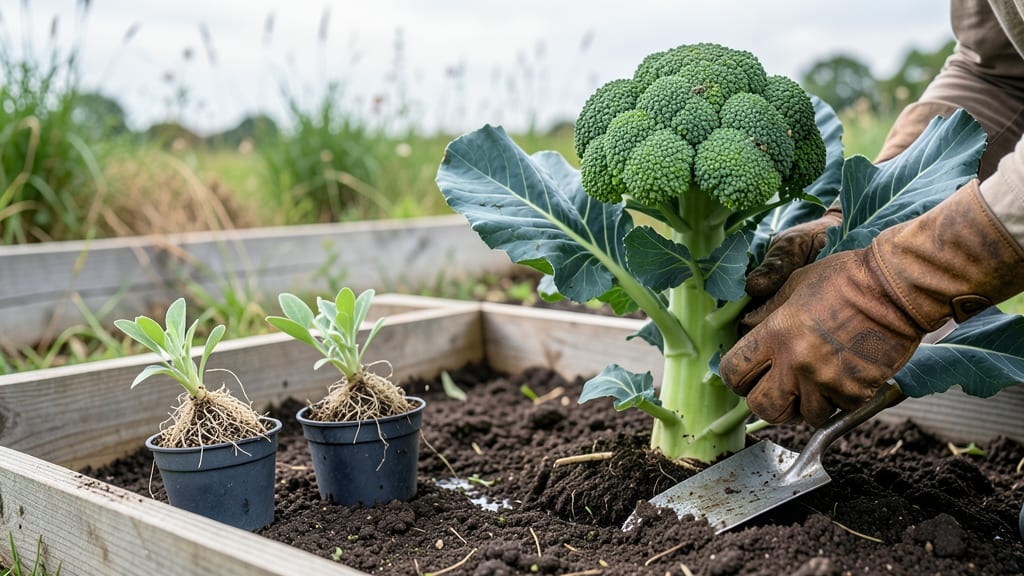
If you’ve ever wondered when to plant broccoli in Arizona, you’re not alone—this cool-weather crop seems like a desert paradox. But with the right timing, you can grow 🥦 broccoli year-round in the Grand Canyon State, even when temps soar.
The key? Planting during Arizona’s mild winter and fall seasons when the sun isn’t at its harshest.
Most gardeners in USDA Zone 9b swear by September-October for fall planting, but don’t overlook the February-March window for spring harvests. These periods give broccoli the 45-60 days it needs to mature before summer’s relentless heat takes over.
Skipping these windows often leads to bolting—or worse, plants that wilt before producing a single head.
Here’s the game-changer: Arizona’s unique climate means you can also try shade-cloth techniques or heat-tolerant varieties to push your growing season into summer. But without the right strategy, even the hardiest broccoli plants will struggle under the desert sun.
Let’s break down the exact planting schedule—and the secrets to keeping your 🥦 broccoli thriving—so you can enjoy homegrown harvests year-round.
Whether you’re a seasoned gardener or a first-timer, these insights will help you avoid common mistakes like overwatering during monsoon season or planting too late for fall harvests. Stick with me, and you’ll learn how to time your broccoli planting like a pro—no frost charts required!
Best planting times for broccoli in Arizona’s climate zones
Arizona’s unique desert climate—with its hot summers and mild winters—lets you grow broccoli year-round if you time it right. Unlike frost-dependent regions, Arizona’s USDA Zone 9b means no frost to worry about, but heat stress becomes your biggest challenge.
The key is planting during cooler months when temperatures stay below 80°F.
For most Arizona gardeners, the ideal planting windows are September-October (fall) and February-March (spring). These months offer perfect soil temperatures (60-70°F) for germination and growth, while avoiding the peak summer heat that can cause bolting.
Let’s break it down by Arizona’s two main climate zones: low desert (Phoenix, Tucson) and high desert (Flagstaff, Prescott).
Visual Element: Summary Table
| Climate Zone | Best Planting Months | Soil Temp for Germination | Harvest Window | Key Challenge |
|---|---|---|---|---|
| Low Desert (Phoenix, Tucson) | September-October, February-March | 60-70°F (15-21°C) | November-December, April-May | Extreme summer heat |
| High Desert (Flagstaff, Prescott) | August-September, March-April | 55-65°F (13-18°C) | October-November, May-June | Late frosts (rare but possible) |
| Both Zones (Summer Alternative) | June (with shade cloth) | 75°F max (24°C) | August-September | Bolting risk |
In the low desert, where temperatures can soar to 110°F+ in summer, broccoli struggles to establish roots after mid-May. That’s why fall planting (September-October) is your best bet—it gives plants time to mature before winter chill sets in.
For a spring harvest, aim for February-March plantings, when daytime highs are 75°F or lower.
High desert areas like Flagstaff enjoy cooler nights, so you can push planting slightly earlier. August-September works for fall crops, while March-April is ideal for spring. Just watch for late frosts (though rare), which can damage young seedlings. If you’re in doubt, use row covers for extra protection.
For those who want a summer harvest, try June plantings with 50% shade cloth to block the harsh sun. This method works best with heat-tolerant varieties like ‘Waltham 29’ or ‘De Cicco’, which handle 85°F days better than standard types.
Just be prepared for smaller heads and slower growth.
Pro tip: Test your soil temperature before planting—broccoli seeds need consistent 60-70°F soil to germinate. Use a soil thermometer ($10 at garden centers) to check. If temps are too high, wait a few days or use shade cloth over seed trays to cool the soil.
Remember, broccoli is a cool-season crop, so it thrives when daytime highs stay below 75°F. In Arizona’s heat, even 100°F days can cause plants to bolt prematurely (send up flower stalks instead of forming heads).
That’s why timing is everything—plant too late, and you’ll miss your harvest window.
🌱
How to extend broccoli’s growing season in Arizona heat
Arizona’s summer heat can turn broccoli into a melting pot of disappointment, but don’t give up! With the right strategies, you can extend your growing season and enjoy fresh 🥦 broccoli even when temps climb.
The key? Combining shade solutions, heat-tolerant varieties, and smart watering techniques. Let’s dive into the tactics that work best in USDA Zone 9b.
First, consider shade cloth—a game-changer for summer planting. A 30-50% shade cloth reduces heat stress while still allowing enough light for growth. I’ve had great success using it during June-August to protect young plants from the 110°F+ desert sun.
Pair this with drip irrigation to keep soil consistently moist without wetting the leaves, which can lead to fungal issues.
Next, choose heat-tolerant varieties like ‘De Cicco’ or ‘Calabrese’, which handle warmer temps better than traditional types. These varieties can bolt less easily and produce smaller but still delicious heads even in 90°F+ conditions.
For extra protection, plant broccoli near tall sunflowers or corn to create natural shade during peak afternoon heat.
Heat-Extension Strategies for Arizona Broccoli
- Use 30-50% shade cloth during peak summer
- Plant heat-tolerant varieties like ‘De Cicco’
- Water deeply in evenings (1-2 inches per week)
- Mulch with straw to retain moisture
- Harvest early before heads yellow
- Avoid overhead watering (causes fungal risk)
- Don’t skip shade in 100°F+ temps
- Don’t over-fertilize in summer heat
- Avoid planting late (after June 15)
- Don’t ignore bolting signs (yellow flowers = bitter broccoli)
Timing is everything—aim to sow seeds indoors 4-6 weeks before your target outdoor date. For summer planting, this means starting seeds in late April for a June transplant.
Use seedling trays with bottom heat mats to speed up germination, as Arizona’s summer soil can stay stubbornly cool even when air temps rise.
One of my biggest lessons? Don’t underestimate the monsoon season. While the sudden rains in July-August can feel like a blessing, they often lead to overwatering and root rot.
Always check soil moisture before watering—stick your finger 2 inches deep. If it’s damp, wait. If it’s dry, give your broccoli a deep soak at dusk to minimize evaporation.
With these strategies, I’ve successfully grown 🥦 broccoli in Arizona through three seasons: fall, winter, and even a limited summer harvest. The secret? Adaptability.
Watch your plants, adjust your shade, and don’t hesitate to harvest smaller heads—they’re still delicious! The desert doesn’t have to be a broccoli wasteland after all.