
Plants
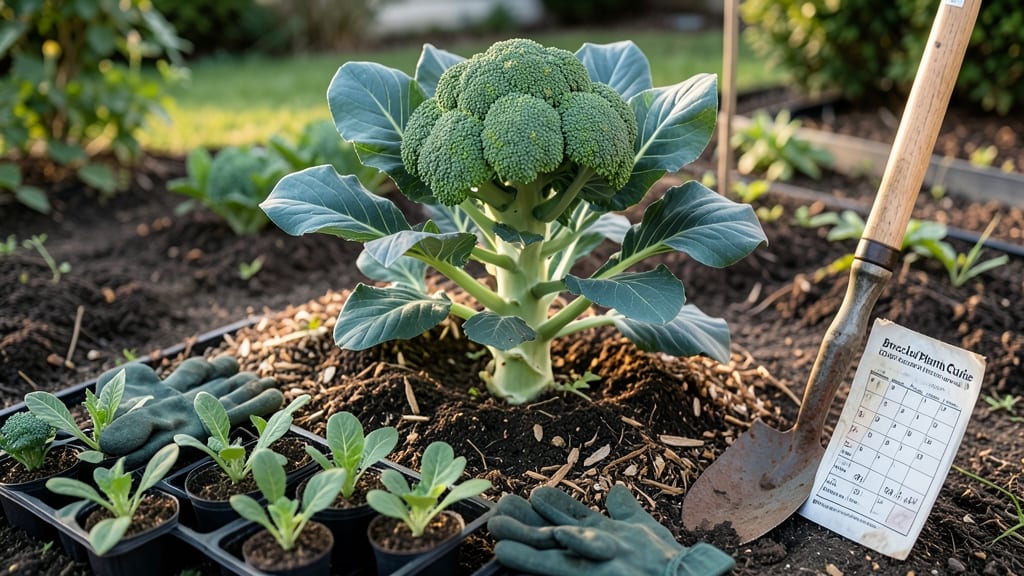
Central Florida broccoli planting calendar: month-by-month microclimate guide
Central Florida’s USDA Zones 9a-10a mean broccoli thrives in cooler months when temperatures drop below 85°F. Unlike northern climates, we avoid summer heat by focusing on fall and winter plantings.
The key? Timing your seeds or transplants to mature before unpredictable freezes hit—typically after December 15 in most areas.
My go-to strategy is planting two crops annually: one in late summer for fall harvests and another in early winter for spring. This double approach maximizes your yield while dodging Central Florida’s humidity-induced bolting in summer. Let’s break it down by month, including microclimate adjustments for Orlando vs. Ocala.
🌱 Microclimate Note: Coastal areas (like Daytona Beach) have warmer winters and can plant 2-3 weeks later than inland cities (like Ocala). Always check your local frost dates—they vary by 5-10 days across the region.
| Month | Planting Window | Ideal Planting Time | Temperature Range | Notes |
|---|---|---|---|---|
| July | Direct sow or transplant | Early July (for fall crop) | 75-85°F (day), 65-70°F (night) | Use shade cloth if temps exceed 90°F |
| August | Prime window for transplants | Mid-August (6-8 weeks before frost) | 80-88°F (day), 68-72°F (night) | Best month for Central Florida broccoli |
| September | Last chance for fall crop | Early September (transplants only) | 78-85°F (day), 65-70°F (night) | Avoid sowing seeds after Sept 15 |
| October | None (harvest focus) | N/A | 70-80°F (day), 55-65°F (night) | Harvest fall broccoli; prep soil for winter |
| January | Start winter crop | Mid-January (transplants) | 60-75°F (day), 45-55°F (night) | Use row covers for frost protection |
| February | Direct sow for spring | Early February | 65-78°F (day), 50-60°F (night) | Spring crop matures before summer heat |
For Orlando’s microclimate, aim to have your fall broccoli heads ready by mid-November to avoid light freezes that can damage tender leaves. In Ocala’s cooler inland zones, you can push harvests into early December with lightweight row covers.
My trick? Plant ‘De Cicco’—a heat-tolerant variety that handles Central Florida’s late-summer humidity better than standard types.
Winter plantings in January-February are your second chance for broccoli. The cooler temps (below 75°F) prevent bolting, and longer daylight speeds up growth. Just watch for early morning frosts—I’ve lost crops when temps dipped to 32°F despite being in Zone 9a!
Use frost blankets for extra protection during critical head-forming stages.
Pro tip: Succession plant every 2-3 weeks in August-September to stagger harvests. This ensures you’re always eating fresh broccoli instead of dealing with a glut of mature heads all at once. I’ve had success with ‘Waltham 29’—it
How to extend broccoli season in Central Florida’s heat: succession planting tips
Central Florida’s summer heat (often exceeding 90°F) forces broccoli to bolt prematurely, turning your crisp heads into bitter stalks. But with the right succession planting strategies, you can stretch your harvest from fall to early spring—even in Zone 9a-10a.
The key? Heat-resistant varieties, shade protection, and precise timing to avoid stress.
Start by choosing bolt-resistant varieties like ‘Waltham 29’ (fast-maturing) or ‘De Cicco’ (compact heads). These handle short heat spells better than standard types. Pair them with succession schedules that keep your garden producing every 3-4 weeks during mild seasons.
For example, plant a second batch in late August for a fall harvest, then a third in January for spring greens—just before temperatures rise again.
Here’s how to beat the heat while extending your broccoli season:
For year-round success, align your plantings with Central Florida’s microclimates. In Orlando (hotter), focus on fall/winter crops; in Ocala (cooler nights), you can squeeze in a small spring batch.
Always harden off seedlings for 7–10 days before transplanting to avoid transplant shock from sudden heat. Monitor soil temps—broccoli struggles below 40°F or above 85°F for extended periods.
Pro tip: Harvest side shoots (smaller stems that form after cutting the main head) to prolong production by 4–6 weeks. This keeps plants productive even as temps rise. Pair broccoli with fast-growing companions like radishes or lettuce to maximize space and shade-sensitive crops from the sun.
With these tactics, you’ll double your harvest and enjoy homegrown broccoli from October through April—no bolted greens in sight! 🌱