
Plants
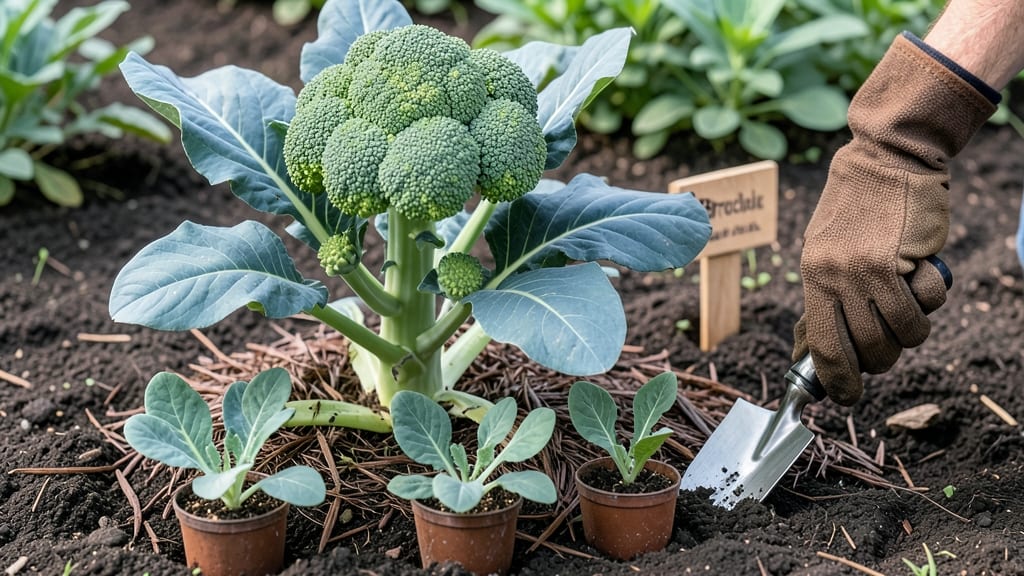
Timing your 🥦 broccoli planting in Indiana can mean the difference between a thriving garden and a wasted effort. If you miss the sweet spot—between March and April—you risk either frost damage or a summer crop that bolts too quickly, leaving you with bitter stems instead of tender heads.
I’ve learned the hard way that Indiana’s Zone 6a climate demands precision. Plant too early, and a late frost will nip your seedlings in the bud. Too late, and the heat will turn your broccoli into a sad, wilting mess.
The key is understanding how to work with your local microclimate, whether you’re in cooler northern Indiana or the warmer southern regions.
In this guide, I’ll break down exactly when to plant—whether you’re starting seeds indoors or sowing directly into the garden bed—and how to stretch your harvest season for two bountiful crops a year. You’ll also discover companion plants that keep pests at bay and spacing tricks to maximize your yield.
Ready to grow broccoli like a pro? Let’s get your garden prepped for success, so you’re harvesting those bold, flavorful heads from late spring through fall.
Best planting windows for broccoli in Indiana’s Zone 5-6 climate
Indiana’s Zone 5-6 climate offers two prime windows for growing broccoli: early spring and late summer. These periods align perfectly with broccoli’s cool-season preferences, avoiding the brutal summer heat that causes bolting.
For most Indiana gardeners, the last frost date falls around April 15, while the first frost typically arrives by mid-October. Timing your plantings around these dates maximizes your harvest potential.
In my experience, the best spring planting window starts 4-6 weeks before the last frost, usually in late March to early April. This timing ensures seedlings have enough time to establish roots before warmer weather arrives.
For a fall harvest, aim to plant 3 months before the first frost, which translates to mid-July to early August. Fall plantings often yield sweeter, more tender broccoli heads because the cooler temperatures slow growth just enough to concentrate flavor.
Here’s the key: Soil temperature matters just as much as air temperature. Broccoli seeds germinate best in soils that are at least 40°F (4°C), but ideal germination occurs between 50-85°F (10-29°C).
In Indiana, this usually means waiting until the soil warms up in late March to early April for spring plantings. You can test soil temperature with a simple soil thermometer—just bury it 2 inches deep for an accurate reading.
| Planting Window | Ideal Months | Soil Temp Requirement | Frost Consideration |
|---|---|---|---|
| Spring Planting | Late March - Early April | 40-85°F (4-29°C) | 4-6 weeks before last frost |
| Fall Planting | Mid-July - Early August | 50-70°F (10-21°C) | 3 months before first frost |
Indiana’s microclimates can create slight variations in frost dates, especially between northern and southern regions. For example, gardeners in Zone 5 (northern Indiana) might need to wait until mid-April for spring planting, while those in Zone 6 (southern Indiana) can start as early as late March.
To adjust, check your local USDA Plant Hardiness Zone map and consult your local cooperative extension office for precise frost date data.
When selecting broccoli varieties, opt for types that perform well in Indiana’s climate, such as 'Waltham 29' (a cold-hardy, reliable choice) or 'De Cicco' (an Italian heirloom with excellent flavor). Both varieties tolerate cooler temperatures better than heat-sensitive types like 'Calabrese'.
For faster results, consider starting seeds indoors 6-8 weeks before the last frost, then transplanting seedlings outdoors once they’ve developed 4-6 true leaves and soil temperatures are stable.
Another pro tip: Direct sowing seeds outdoors can save time and reduce transplant shock. In Indiana, you can start direct sowing in early April for spring crops, as long as the soil is workable and frost isn’t imminent.
Space seeds 1-2 inches apart in rows that are 18-24 inches apart to allow for proper air circulation and growth. Thin seedlings to 12-18 inches apart once they’re 2-3 inches tall to prevent overcrowding, which can lead to disease pressure and stunted growth.
Don’t overlook the importance of mulching after planting. A layer of straw or shredded leaves helps retain soil moisture, suppress weeds, and regulate soil temperature—critical factors in Indiana’s variable spring and fall weather.
Mulch also protects young plants from temperature fluctuations that can stress broccoli, especially during early spring or late fall plantings.
Finally, keep an eye on the moon phases if you’re a traditional gardener. Many Indiana gardeners swear by planting broccoli during the waxing moon (when the moon is growing brighter) for stronger root development.
While science doesn’t fully back this practice, it’s a fun way to align your planting schedule with natural cycles. Pair your broccoli with companion plants like radishes, onions, or celery to deter pests and improve growth.
With the right timing and a little preparation, you’ll be harvesting crisp, flavorful broccoli heads from your Indiana garden in no time. The key is to start early, stay consistent with care, and adapt to your local climate quirks. Happy planting! 🌱🥦
Best planting windows for broccoli in Indiana’s Zone 5-6 climate
Indiana’s Zone 5-6 climate gives broccoli two prime planting windows: early spring and late summer. Timing is critical because broccoli hates heat—temperatures above 80°F cause it to bolt (flower prematurely). My strategy? Plant when soil temps hit 40-45°F for spring and 60-70°F for fall.
For spring planting, aim for 4-6 weeks before your last frost date (typically mid-March to early April in Indiana). This gives seedlings time to establish roots before warmer weather arrives.
Fall planting should start 3 months before the first frost (around late July to early August) to ensure a harvest before winter.
🌱
| Planting Window | Ideal Months | Soil Temp | Days to Harvest |
|---|---|---|---|
| Spring | March-April | 40-45°F | 60-80 days |
| Fall | July-August | 60-70°F | 50-70 days |
Indiana’s microclimates can shift planting windows by 2-3 weeks. Northern Indiana (Zone 5) has a shorter growing season, so start seeds indoors in late February for spring. Southern Indiana (Zone 6) can direct-sow as early as February under row covers.
Always check your local frost dates—Indiana’s range from April 15 (last frost) to October 15 (first frost).
Pro tip: Use slow-bolt varieties like 'Belstar' if you’re pushing the summer heat. These tolerate 75°F better than standard types. For fall, 'De Cicco' is my go-to—it handles cooler temps and produces side shoots after the main head.
🌿
Soil prep is half the battle. Amend your beds with compost to raise organic matter—Indiana’s clay-heavy soils drain poorly when wet. Aim for a pH of 6.0-7.0 and add aged manure or a balanced fertilizer (10-10-10) at planting.
My spring seedlings get a light feed when true leaves appear, while fall plants need a heavier feed 4-6 weeks before harvest.
✂️