
Plants
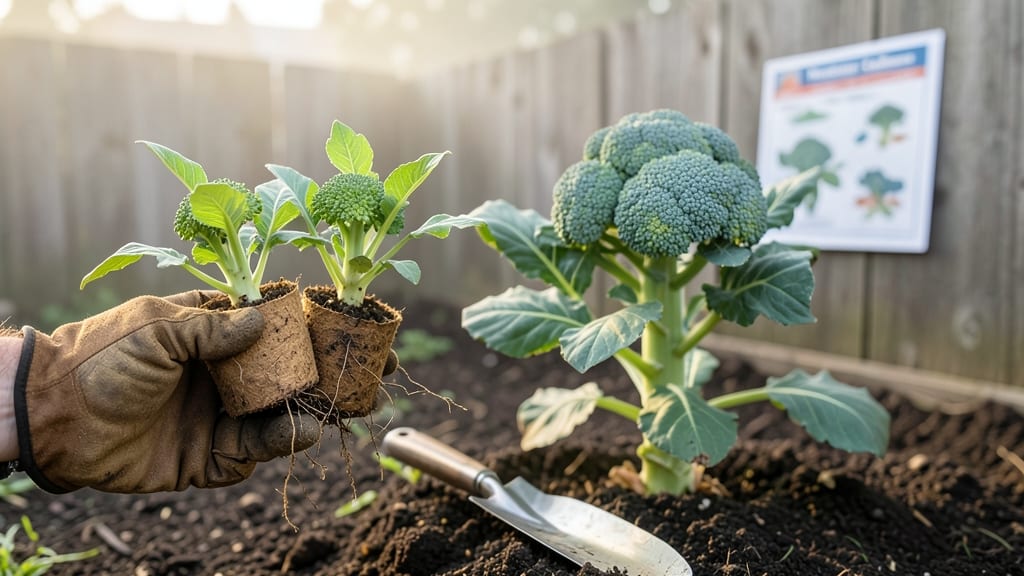
Timing your broccoli planting in Northern California can feel like solving a puzzle—coastal fog, inland heat waves, and unpredictable frost dates all play a role. One wrong move, and your 🥦 crop might bolt before you even see those perfect florets.
But get it right, and you’ll enjoy a steady harvest from fall through spring, with minimal guesswork.
Here’s the secret: Northern California’s microclimates mean what works in USDA Zone 9b coastal areas (like San Francisco) won’t cut it in the Zone 8a Central Valley.
Whether you’re sowing seeds in February or transplanting in September, the key is matching your planting window to your specific location’s frost dates and soil temperatures.
In this guide, I’ll break down the exact planting windows for your region—from coastal fog belts to sunbaked valleys—plus pro tips for extending your harvest season. No more second-guessing when to stick those seeds in the ground.
Ready to grow broccoli that thrives, not struggles? Let’s dive into the timing strategies that actually work for Northern California gardeners.
Northern California broccoli planting calendar by microclimate Zone (7a-9a)
Northern California’s climate varies dramatically from coastal fog belts to Central Valley heat, making broccoli planting a regional puzzle. Coastal areas like San Francisco (Zone 9b) enjoy mild winters, while inland Sacramento (Zone 8a) faces earlier frosts.
Your planting window depends on these microclimates—get it wrong, and your broccoli bolts or rots.
Broccoli thrives in cool weather (60-75°F) but struggles with heat over 80°F or frost below 28°F. Coastal zones can plant 6 weeks earlier than inland areas, stretching your harvest from fall through spring. Let’s break down the ideal planting calendar by zone to maximize your yield.
📅 Key Dates to Remember:
| Zone | Last Frost | Spring Planting Window | Fall Planting Window | Harvest Time |
|---|---|---|---|---|
| Coastal (9b-10a) | Jan 15 | Feb 15 - Mar 15 | Aug 1 - Aug 31 | Mar-May, Oct-Nov |
| Bay Area (8a-9a) | Jan 1 | Feb 1 - Mar 10 | Jul 15 - Aug 15 | Mar-Jun, Sep-Nov |
| Central Valley (8b-9a) | Dec 15 | Mar 1 - Mar 31 | Jul 1 - Jul 30 | Apr-Jun, Sep-Oct |
| Mountain Foothills (7a-8a) | Nov 15 | Mar 15 - Apr 15 | Jun 15 - Jul 15 | May-Jul, Sep-Oct |
For coastal zones, start seeds indoors in January for transplants by February 15. Inland areas should wait until March to avoid early frost damage. Fall plantings work best when soil temps drop below 80°F—aim for July-August in most regions.
Soil temperature is critical: broccoli seeds need 40-85°F to germinate. Use a soil thermometer to confirm—cooler coastal soils may need black plastic mulch to warm up faster. Inland areas should focus on shade cloth during summer to prevent bolting.
Pro tip: Succession planting every 2 weeks ensures a continuous harvest. For example, plant a batch in February, another in March, and a final one in August for fall crops. This works especially well in Zone 8a-9a where winters are mild.
If you’re in Zone 7a (e.g., Lake Tahoe foothills), opt for cold-hardy varieties like ‘Waltham 29’ or ‘De Cicco’. These tolerate light frosts and extend your growing season. In heat-prone Central Valley, choose ‘Calabrese’ or ‘Green Goliath’ for better heat tolerance.
Always check your local frost dates—even in Zone 9a, unexpected cold snaps can occur. Use row covers or cold frames to protect young plants if frost is forecasted. With the right timing, you’ll enjoy homegrown broccoli from late winter to early summer and again in fall.
🌱
How to extend your broccoli harvest season in Northern California’s unpredictable climate
Northern California’s unpredictable weather—from sudden coastal frost to scorching Central Valley heat—can truncate your broccoli harvest if you’re not strategic. But with the right varieties and planting techniques, you can stretch your harvest from early spring through late fall.
The key? Succession planting and choosing heat- or cold-tolerant cultivars that match your microclimate.
For example, ‘De Cicco’ and ‘Waltham 29’ thrive in cooler coastal areas, while ‘Calabrese’ and ‘Green Goliath’ handle the Zone 8b-9a heat better. By planting a mix of these, you can enjoy continuous harvests without gaps.
Let’s break down how to maximize your yield, no matter where you garden in the state.
🌱 Did You Know? Broccoli plants can produce side shoots after the main head is harvested, giving you 2-3 harvests per plant if you prune correctly. This alone can double your yield with minimal extra effort!
- 1. Succession Planting: Sow seeds every 2-3 weeks from February to September to ensure a steady supply. Start with transplants for faster results in Zone 9a areas.
- 2. Choose Heat-Tolerant Varieties: For Central Valley gardens, opt for ‘Green Goliath’ or ‘Packman’, which handle 90°F+ temps better than traditional types.
- 3. Fall Planting for Winter Harvests: Sow seeds in late August (coastal) or early September (inland) for October-November harvests before frost. Use row covers to protect from early chills.
- 4. Extend Spring with Cold Frames: If your Zone 7a-8a area gets late frosts, use cold frames or low tunnels to keep soil temps above 40°F and delay bolting.
- 5. Harvest Side Shoots: After cutting the main head, prune side shoots at 6 inches tall to encourage regrowth. This can add 30-50 days to your harvest window.
Another game-changer? Interplanting broccoli with fast-maturing crops like radishes or lettuce. These shade-tolerant greens grow quickly, freeing up space for your next broccoli batch without wasting time. Plus, they deter pests like cabbage moths, which love broccoli leaves.
Don’t overlook soil prep either. Amend your beds with compost and aged manure before planting to ensure your broccoli has the nutrients it needs to bolt-resistant and produce large, flavorful heads. A pH of 6.0-7.0 is ideal—test your soil in late winter to adjust before your first planting.
With these strategies, you’ll turn Northern California’s unpredictable climate into an advantage. Whether you’re battling coastal fog or Central Valley heat, your broccoli will keep producing—giving you homegrown 🥦 for months instead of weeks.