
Plants
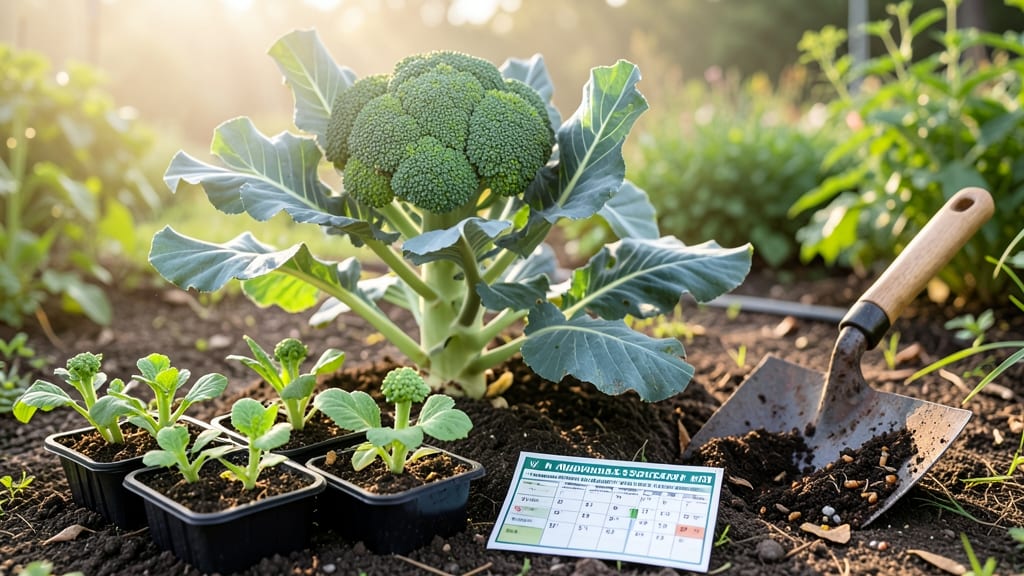
If you’ve ever stared at a seed packet wondering "when to plant broccoli in Washington State", you’re not alone—getting the timing wrong can mean the difference between a thriving 🥦 harvest and a sad, bolted mess.
Washington’s diverse climate zones (from the Puget Sound’s marine air to the Columbia Basin’s hot summers) demand precision, but the good news? With the right start dates, you can grow broccoli that’s sweet, tender, and ready to harvest all summer and fall.
Most gardeners in USDA Zones 7-9 (covering everything from Seattle to Spokane) should plant broccoli in early spring, as soon as the soil warms to 45°F—that’s usually late March to April.
But here’s the catch: fall planting is just as crucial for a second harvest, especially in cooler microclimates where summer heat triggers bolting (that’s when broccoli flowers prematurely and turns bitter).
I’ll break down the exact planting windows for your specific zone, plus pro tips to avoid common mistakes like planting too early (frost damage) or too late (missed harvests).
Whether you’re a first-time gardener or a seasoned green thumb, these strategies will help you grow broccoli that’s more productive and less stressful—no guesswork required.
Ready to skip the trial-and-error? Let’s dive into the zone-specific schedule, soil prep secrets, and the best varieties for Washington’s climate—so you can enjoy fresh, homegrown 🥦 from summer straight through fall.
Washington State broccoli planting calendar by USDA Zone (best start dates)
Washington State spans USDA Zones 7-9, which means your broccoli planting window varies dramatically from the Puget Sound to the Columbia Basin. In cooler Zone 7 (like Spokane), you’ll need to plant earlier than in Zone 9 (like Yakima), where summers are hotter.
For spring harvests, aim for 4-6 weeks before your last frost date, while fall planting should happen 8-10 weeks before first frost.
According to WSU Extension, the average last frost dates in Washington range from mid-April in Zone 7 to late March in Zone 9. Meanwhile, first frost dates can arrive as early as mid-October in Zone 7 but linger until December in Zone 9.
These dates dictate when to start seeds indoors or transplant seedlings for success.
For direct sowing, wait until soil temperatures reach 40°F (4°C)—typically mid-April to early May in most regions.
If you’re transplanting seedlings, they’ll tolerate cooler soil (35°F/2°C) but thrive best when soil is 50°F (10°C) or warmer. Hardening off seedlings for 7-10 days before transplanting is critical to avoid shock in Washington’s unpredictable wind and rain.
| USDA Zone | Last Frost Date | First Frost Date | Spring Planting Window | Fall Planting Window |
|---|---|---|---|---|
| Zone 7 (Spokane, Wenatchee) | Mid-April | Mid-October | March 15 - April 15 (indoors) / April 15 - May 1 (outdoors) | July 15 - August 15 (for Oct-Nov harvest) |
| Zone 8 (Seattle, Yakima) | Late March | Late October | February 20 - March 20 (indoors) / March 20 - April 15 (outdoors) | June 15 - July 30 (for Sept-Nov harvest) |
| Zone 9 (Pullman, Tri-Cities) | Early March | December | January 15 - February 15 (indoors) / February 15 - March 15 (outdoors) | May 15 - July 15 (for Oct-Dec harvest) |
Note: Adjust dates 1-2 weeks earlier for high-elevation areas or later for urban heat islands.
In Zone 7, where winters are colder, focus on spring planting for summer harvests and late summer planting for fall/winter harvests. Varieties like 'Waltham 29' or 'Green Magic' are cold-hardy and perfect for these zones.
Meanwhile, Zone 9 gardeners can enjoy year-round production with staggered plantings—try 'Calabrese' or 'Packman' for heat tolerance.
For successive planting, space out sowings every 2-3 weeks from spring through early summer to ensure a continuous harvest. In Zone 8 (like Seattle), you can even squeeze in a late summer planting for a winter harvest under row covers.
Just remember: broccoli bolts (goes to seed) in heat, so avoid planting during July-August in hotter zones.
Pro tip: Use WSU’s Frost/Freeze Forecast to track real-time updates, as microclimates (like urban heat islands) can shift frost dates by 1-2 weeks. For example, Seattle’s University District may frost later than Mount Rainier’s foothills.
Always monitor soil temps with a soil thermometer—broccoli roots thrive at 50-75°F (10-24°C).
If you’re new to broccoli growing, start with transplants from local nurseries (like Swansons or
How to extend broccoli season in Washington: fall planting tips for winter harvests
Fall planting is your secret weapon for 🥦 broccoli success in Washington—especially when summer’s heat triggers bolting. The key? Start seeds indoors 8-10 weeks before your first frost (typically mid-July for most zones).
This gives seedlings time to mature before cold sets in, while avoiding the 75°F+ temperatures that send broccoli into premature flowering mode.
For Seattle and Puget Sound gardeners, aim for late July starts—these cooler microclimates can handle slightly later plantings. Meanwhile, Spokane and Eastern WA should begin even earlier (late June) to account for faster cooling.
The goal? Transplant hardened-off seedlings into the garden by mid-August, giving them 60-75 days to mature before winter.
Pro tip: Use row covers or cold frames to extend the season. Even a simple floating row cover can protect plants from light frosts (28°F), letting you harvest well into December in sheltered spots. Just
- Sow seeds 8-10 weeks before first frost (late June-July).
- Use seedling trays with well-draining soil.
- Keep temps at 60-70°F for germination.
- Acclimate seedlings 7-10 days before transplanting.
- Expose to outdoor conditions gradually (2 hours/day → full sun).
- Avoid transplant shock with morning watering.
- Choose partial shade spots to avoid summer heat.
- Space plants 18-24 inches apart for airflow.
- Mulch with straw or leaves to insulate roots.
- Use row covers for temps below 28°F.
- Harvest before hard frosts (20°F) if needed.
- Store extra heads in paper bags in the fridge.
Don’t overlook succession planting—sow a second batch of seeds every 2-3 weeks in early fall to stagger harvests. This ensures a steady supply of 🥦 even as winter approaches. Pair fall broccoli with kale or cabbage, which thrive in cooler temps and make great companion plants.
Washington’s cool, wet climate is actually broccoli’s dream—just give it the right timing, and you’ll enjoy harvests long after summer’s over. The payoff? Fresh, homegrown 🥦 on your table when store-bought options are scarce.