
Plants
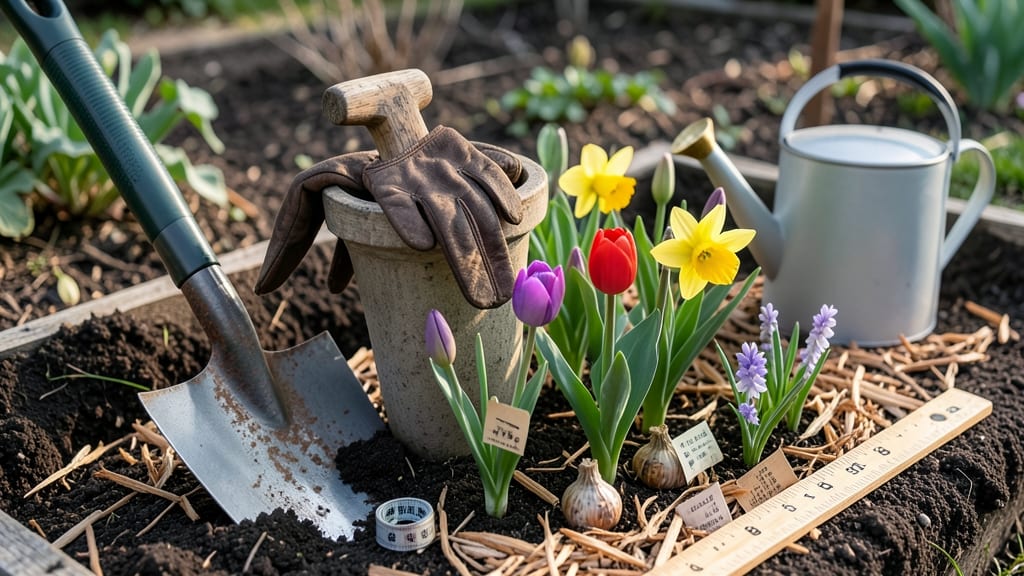
Planting Spring Flowering Bulbs (e.g., Tulips, Daffodils, Hyacinths, Crocus) in Central Texas isn’t just about timing—it’s about outsmarting the heat and unpredictable frosts that could make or break your garden. If you’ve ever watched your bulbs wilt under summer sun or freeze before blooming, you know the stakes are high.
The secret to success lies in planting during fall’s cooler months—between October and December—when soil temperatures drop and the risk of early frost lingers. This window gives roots time to establish before winter sets in, ensuring vibrant blooms by February or April when your yard craves color.
But here’s the twist: not all bulbs thrive in Texas’ 8a-9a climate. Some varieties simply can’t handle the heat, while others—like rain lilies or spider lilies—flourish despite the challenges. I’ll show you which ones to choose and how to prep your soil for maximum resilience.
Ready to transform your Central Texas garden into a springtime showstopper? Let’s dive into the exact steps, from soil prep to post-planting care, so your 🌷 bulbs not only survive but thrive year after year.
Best months to plant bulbs in Central Texas by type
Central Texas gardeners face a unique challenge: our zone 8a/8b climate demands careful timing to protect bulbs from extreme heat and unpredictable freezes. Most traditional bulbs struggle here, but the right varieties—planted at the perfect time—can thrive.
The secret lies in fall planting for spring blooms and summer planting for heat-resistant species like rain lilies.
For spring-flowering bulbs (daffodils, tulips, hyacinths), aim to plant between mid-October and mid-December. This window ensures bulbs establish roots before winter but avoid the scorching summer heat. If you miss fall, January planting is your second chance, though blooms may be delayed.
Summer-blooming bulbs like rain lilies (Zephyranthes) and spider lilies (Hymenocallis) are your best bet for Central Texas heat. Plant these in late spring (April-May) after the last frost risk passes. Their shallow roots and drought tolerance make them ideal for our climate.
Here’s your Central Texas bulb planting calendar broken down by type and season:
| Bulb Type | Best Planting Months | Key Notes |
|---|---|---|
| Spring Bloomers (Daffodils, Tulips) | October–December | Plant 6–8 weeks before first frost; avoid summer heat. |
| Summer Bloomers (Rain Lilies, Spider Lilies) | April–May | Heat-tolerant; plant after last frost risk. |
| Fall Bloomers (Crinum, Amaryllis) | August–September | Thrives in Central Texas heat; blooms in fall. |
| Winter Bloomers (Christmas Amaryllis) | September–October | Force indoors for holiday blooms; needs cool temps. |
Central Texas’s clay-heavy soil can suffocate bulbs, so always amend with compost or sand before planting. For spring bulbs, plant twice as deep as the bulb’s height to protect them from heat. Summer bulbs, like rain lilies, need only 2–3 inches of coverage to thrive.
Pro tip: Use mulch (straw or pine needles) after planting to insulate bulbs from temperature swings. In urban areas, where heat islands raise soil temps, opt for shade cloth during peak summer to prevent bulb rot.
Timing isn’t just about months—it’s about soil temperature. For spring bulbs, wait until soil cools to 60°F or below before planting. Summer bulbs, however, prefer warm soil (70°F+) to sprout reliably. Use a soil thermometer to check!
If you’re new to Central Texas gardening, start with rain lilies or spider lilies—they’re nearly foolproof. These bulbs multiply yearly and naturalize, creating low-maintenance ground cover that blooms with summer rains.
Remember: No bulb is 100% heat-proof. Even the hardiest varieties may struggle in 100°F+ summers. That’s why shade and mulch are your best friends. With the right timing and care, your Central Texas garden can burst with color—spring, summer, and fall! 🌷
How to outsmart Central Texas heat: soil and watering hacks for bulb success
Central Texas’ intense heat and heavy clay soil can turn bulb planting into a high-risk gamble—but with the right strategies, you can create an oasis where roots thrive. The key is preparing soil for drainage while retaining moisture, then protecting bulbs from summer’s brutal temperatures.
I’ve tested these methods in my own garden, and they’ve made the difference between wilted failures and vibrant blooms.
Start by amending your clay soil with organic matter like compost or aged manure. This improves drainage while holding moisture—critical for bulbs that need consistent hydration without drowning. Aim for a 6-inch-deep amendment layer in your planting area, mixing it thoroughly with the native soil to break up compaction.
For containers, use a well-draining potting mix with perlite or sand.
Watering is where most Central Texas gardeners go wrong. Bulbs need deep, infrequent watering—not light, frequent sprinkles. Aim for 1 inch of water per week during establishment, delivered in the early morning to reduce evaporation.
Use a soaker hose or drip irrigation to water at the base, avoiding wetting foliage, which can invite fungal diseases. Once established, reduce watering to every 2-3 weeks during summer dormancy.
For extra heat protection, consider planting bulbs in raised beds or containers. These warm up faster in spring and drain better than heavy clay. If using containers, choose terracotta or fabric pots—they breathe better than plastic and help prevent root rot.
Place containers in partial shade during peak summer months (June-August) to protect bulbs from scorching temperatures above 95°F.
One of my favorite tricks is planting bulbs under existing shrubs or trees that provide dappled shade. The bulbs get protection from the worst heat while still receiving enough sunlight for blooming.
Just avoid planting directly under dense canopies, where competition for water and nutrients can stunt growth. Instead, aim for 3-6 feet from tree trunks where roots aren’t as aggressive.
Finally, don’t forget to fertilize strategically. Use a balanced, slow-release fertilizer (5-10-10) in early spring as blooms emerge, but avoid fertilizing in summer when bulbs are dormant.
Over-fertilizing can lead to lush foliage at the expense of flower production—something I learned the hard way with my first batch of daffodils! 🌱