
Plants
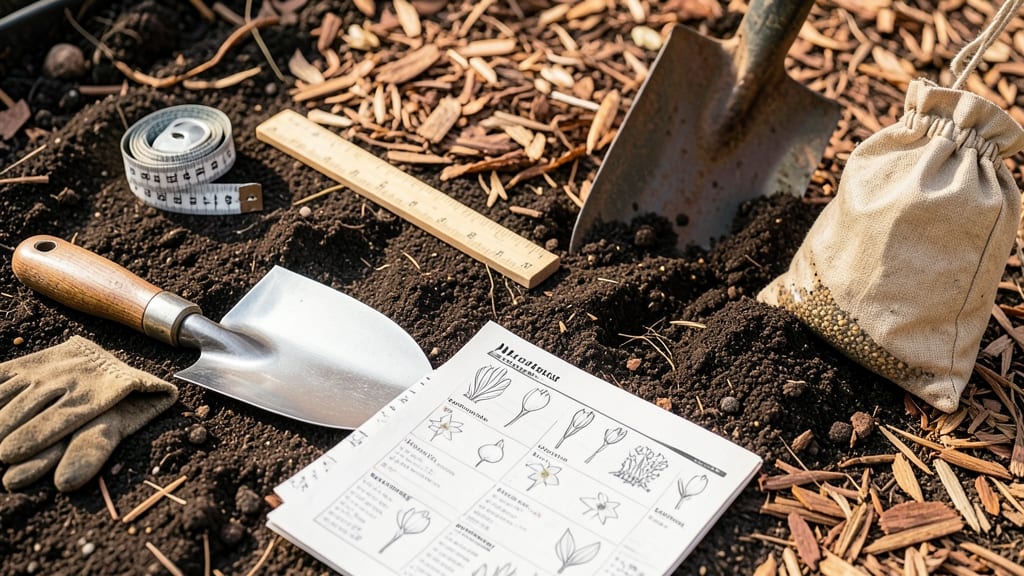
Planting bulbs at the wrong time in NJ can mean the difference between a garden bursting with color and a missed opportunity. With New Jersey’s 6a-7b climate, timing isn’t just about the calendar—it’s about understanding your microclimate, whether you’re in the cooler north or the milder south.
Most gardeners know fall is the prime window for planting 🌷, but did you know the exact weeks matter more than you think?
From late October to early November in most regions, or even early spring for late bloomers, getting it right ensures your bulbs establish strong roots before winter’s chill sets in.
I’ll break down the best planting schedules for NJ’s three distinct zones, plus how to adjust for unpredictable weather. Whether you’re dreaming of tulips in April or daffodils in March, these tips will help you avoid common mistakes and set your garden up for success.
Ready to transform your yard into a springtime showstopper? Let’s dive into the perfect planting windows and pro strategies to make your bulbs thrive—no guesswork required.
Best planting weeks for NJ bulbs by microclimate zone
New Jersey’s three distinct microclimates—Northern, Central, and Southern—create wildly different frost dates and soil temperatures. Planting bulbs at the wrong time can mean rotten bulbs or missed blooms. Let’s break down the ideal planting windows for each zone, using USDA Zones 6a-7b as our guide.
For Northern NJ (Bergen, Passaic, Sussex), aim for late September to mid-October—this gives bulbs time to root before the first frost (usually November 1).
In Central NJ (Mercer, Middlesex, Monmouth), shift to mid-October to early November, while Southern NJ (Atlantic, Cape May, Cumberland) can plant until late November thanks to milder winters.
Spring planting is riskier but possible if you miss fall. For early spring, plant 4-6 weeks before your last frost date (typically mid-March to early April in NJ). However, spring-planted bulbs often bloom later and may not establish as well.
Pro tip: Use the "60-degree soil rule"—wait until soil temps drop to 60°F at 6 inches deep. This ensures bulbs won’t sprout too early and get fried by frost. Check with local NJ Agricultural Extension offices for real-time soil data.
🌱
🌷 NJ Bulb Planting Schedule by Zone
| Zone | Fall Planting Window | Spring Planting Window | Key Adjustments |
|---|---|---|---|
| Northern NJ | Late Sept–Mid Oct | Mid Mar–Early Apr | Plant tulips and hyacinths first—they need extra time. |
| Central NJ | Mid Oct–Early Nov | Late Mar–Early Apr | Avoid planting after Nov 10—soil may freeze. |
| Southern NJ | Late Oct–Late Nov | Early Apr–Mid Apr | Coastal areas can plant 2 weeks later than inland. |
If you’re in a transition zone (e.g., near the Delaware River or Pine Barrens), err on the earlier side. These areas can have unpredictable frost, so planting 2-3 weeks ahead of the average window adds a safety net.
For summer-blooming bulbs like dahlia or gladiolus, wait until after the last frost (usually mid-May in NJ). These need warmer soil to sprout successfully.
Always plant bulbs 3x as deep as their height. For most bulbs, that’s 6-8 inches deep. Use a bulb planter or trowel to dig holes—this prevents damage and ensures even spacing.
🌿
Need a backup plan? Store bulbs in a cool, dark place (like a garage) until soil temps drop. But don’t delay past December—bulbs need time to root before winter sets in.
Local nurseries like Bulb Farm in Flemington or Longwood Gardens’ NJ satellite offer pre-chilled bulbs if you’re unsure about timing. Their experts can also help you pick NJ-hardy varieties that bloom reliably year after year.
How to adjust bulb planting for NJ’s unpredictable weather
New Jersey’s weather can be as unpredictable as a spring shower—one day it’s 60°F and sunny, the next, a frost warning hits overnight. If you’ve ever planted bulbs too early and watched them rot or too late and missed the window, you know how frustrating this can be.
The key is flexibility: adjusting your planting schedule based on soil temperature, weather forecasts, and your specific microclimate.
For most of NJ, the ideal fall planting window is between late October and early November. But if your soil stays warmer than 60°F longer than usual—common in Southern NJ—you might need to plant as late as mid-November.
Conversely, early freezes in the Northern Highlands could push your deadline to early October. Always check the National Weather Service for your local frost dates.
Here’s how to handle common weather challenges: If an early freeze is forecasted, plant bulbs 2-3 weeks ahead of your usual schedule. For late springs, delay spring planting until 4-6 weeks before your last frost date—not the calendar date.
Pro tip: Use a soil thermometer to confirm temps are below 60°F before planting in fall.
Mulching is your best friend in unpredictable weather. After planting, apply a 3-inch layer of mulch (straw or shredded leaves work well) to insulate bulbs from temperature swings. In coastal areas like Cape May, where milder winters delay frost, mulch can also prevent bulb rot from excess moisture. Just
What if you miss the fall window? Don’t panic—many bulbs, like tulips and daffodils, can be planted in early spring (March-April in NJ). Just plant them shallower than usual (about 6 inches deep) to account for faster root growth in warmer soil. For extra insurance, choose hardy varieties like daffodils or alliums, which tolerate a wider range of conditions.
If you’re in a highly variable zone (like the Pine Barrens or near the Delaware River), consider planting test bulbs a few weeks early and late to see which timing works best in your yard. Over time, you’ll learn your garden’s unique rhythm—and your spring blooms will thank you.
For real-time adjustments, bookmark the NJ Agricultural Experiment Station’s frost maps or sign up for alerts from your local Cooperative Extension office. These resources provide hyper-local advice that beats guessing. With these strategies, you’ll turn NJ’s weather quirks into an advantage—no more missed blooms!
Avoid These Planting Pitfalls
- Planting too early when soil is still warm → bulbs rot before winter
- Planting too late after ground freezes → roots can’t establish
- Ignoring soil moisture → soggy soil leads to mold and disease
- Skipping mulch in coastal areas → bulbs overheat or dry out