
Plants
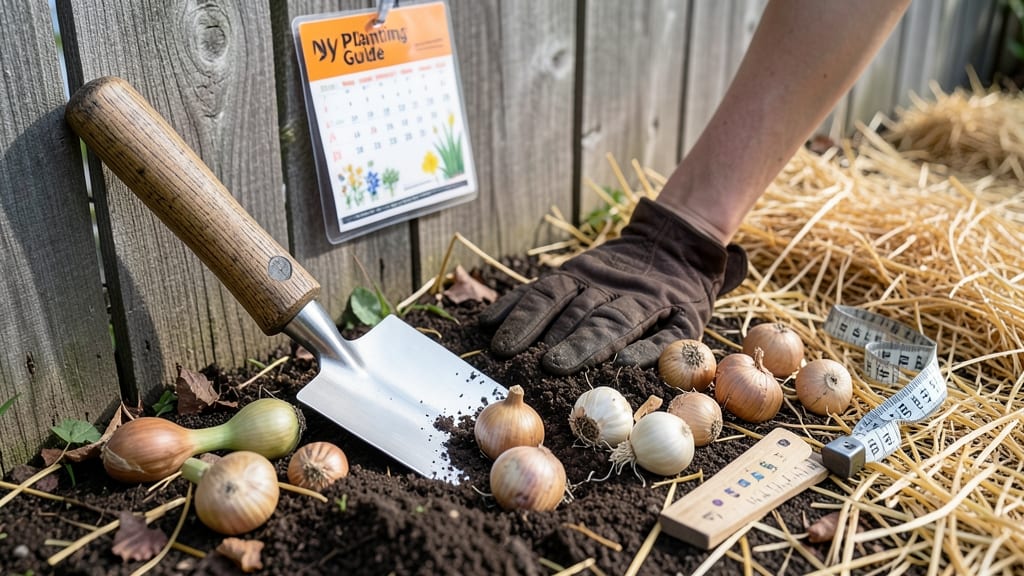
If you’ve ever planted Spring Flowering Bulbs 🌷 in New York only to wake up to frozen soil or wilted blooms, you’re not alone—but there’s a fix.
The difference between a garden bursting with color and one that fizzles out starts with knowing the exact timing for your zone, whether you’re in NYC or upstate.
NY’s 6a climate means your planting window is tight, and getting it wrong can mean waiting another year for those dreamy daffodils or tulips. I’ll break down the ideal months for fall planting (September–November) and why soil temperature—not just the calendar—is your real guide.
From adjusting for early freezes to choosing the right bulbs for your yard, this guide cuts through the guesswork. You’ll learn how to prep your soil, when to mulch, and even how to cheat the system if Mother Nature throws a curveball.
Ready to transform your garden next spring? Let’s get those bulbs in the ground the smart way—no more trial and error, just vibrant blooms on cue.
NY planting zones & best months for spring vs fall bulbs
New York’s diverse climate—from USDA Zone 5 in the Adirondacks to Zone 7 in Long Island—means your bulb planting timeline should match your exact location.
Most spring-flowering bulbs (tulips, daffodils) need a 6-8 week head start before winter, while fall-planted varieties (like crocuses) thrive when soil temps drop below 60°F. Here’s your zone-by-zone planting calendar:
For Zone 5 (Upstate NY), aim to plant September 15–October 15—earlier than NYC due to colder winters.
In Zone 6 (Central NY), extend your window to October 1–November 1, and in Zone 7 (Long Island/NYC), you can push it to November 1–December 1, but avoid planting after the first frost.
Pro tip: Use soil thermometers to confirm temps are below 60°F (ideal for root growth) before planting. In NYC’s urban heat islands, soil may stay warmer longer—adjust dates 1-2 weeks later if needed.
| Zone | Best Planting Months | Key Bulbs to Plant | Soil Prep Tip |
|---|---|---|---|
| 5 (Upstate) | Sept 15–Oct 15 | Daffodils, Tulips, Hyacinths | Mix compost into heavy clay soil |
| 6 (Central NY) | Oct 1–Nov 1 | Alliums, Crocuses, Fritillaries | Add grit to sandy soil for drainage |
| 7 (NYC/Long Island) | Nov 1–Dec 1 | Grape Hyacinths, Snowdrops, Muscari | Mulch after planting to insulate roots |
🌱 NYC Exception: Plant 2 weeks later due to urban heat delays.
Fall-planted bulbs need 6-8 weeks of cool soil to establish roots before winter dormancy. In Zone 5, this means planting by October 15—any later, and bulbs may rot. For Zone 7, stretch to December 1, but avoid planting if ground is frozen or snow-covered.
Ever notice how daffodils bloom earlier than tulips in NY? That’s because they’re more cold-hardy and can handle Zone 3 winters. Tulips, however, struggle in Zone 5’s harsh winters—opt for Darwin Hybrid tulips for better resilience.
Soil prep is 50% of success. In heavy clay soil (common in Upstate NY), mix in compost or sand to improve drainage. In sandy soil (like Long Island), add organic matter to retain moisture. Always plant bulbs 3x their height deep—deeper in clay, shallower in sand.
Don’t forget mulching! Apply 2-3 inches of straw or shredded leaves after planting to protect bulbs from freeze-thaw cycles. Remove mulch in early spring to prevent rot before blooming.
For container gardening in NYC, plant bulbs in well-draining pots with fast-draining soil mixes. Use larger pots (12"+ diameter) for multi-bulb displays—crowding leads to smaller, weaker blooms.
🌷 Key Takeaway: Plant fall bulbs when soil temps hit 60°F, not calendar dates. Use a soil thermometer for accuracy—especially in NYC’s microclimates where sidewalks can stay 10°F warmer than rural areas.
How to adjust planting dates for NY’s unpredictable weather
New York’s USDA zones 5-7 can throw curveballs with early freezes or late springs, but don’t let that derail your bulb planting. The key is flexibility—adjusting your timeline based on soil temperature (not just air temperature) and local frost patterns.
For example, upstate NY (zone 5) often needs bulbs in the ground by mid-October, while NYC (zone 7) can stretch to early November.
Use a soil thermometer to confirm when temps hit 60°F (15°C)—this is your green light for planting. If your area experiences early freezes, prioritize daffodils and crocuses; they’re the hardiest and can handle colder soils better than tulips or hyacinths.
⚠️ Warning: Late Planting Risks
Planting too late (after ground freezes) can rot bulbs. If frost hits unexpectedly, cover planted areas with straw mulch (4-6 inches) to insulate them. For zone 5, aim to finish by October 15; zone 7 can go until November 1.
Backup tip: Store bulbs in a cool, dark place (40-50°F) and replant in early spring if needed—though blooms may be delayed.
For NYC and Long Island (zone 7), you’ve got a slightly longer window, but don’t wait until December. Soil stays workable longer here, but bulbs need 6-8 weeks to root before winter.
If you’re unsure, plant test bulbs in containers first—this lets you monitor progress without risking your whole garden.
Another pro move: Mulch after planting with 3-4 inches of shredded leaves or straw. This locks in moisture and adds 1-2°F of insulation, protecting bulbs from temperature swings. Just
If you’re in zone 6 (e.g., Hudson Valley), split the difference: plant early bloomers (crocuses, snowdrops) by September 15 and later bloomers (tulips, hyacinths) by October 15. This staggered approach ensures continuous color from early spring through late May.
Finally, keep an eye on local frost forecasts from the National Weather Service or Cornell Cooperative Extension. Their weekly updates can save you from planting too early (when soil is still warm) or too late (when roots can’t establish).
With these adjustments, you’ll beat NY’s weather—and get those bold blooms on schedule every year.