
Plants
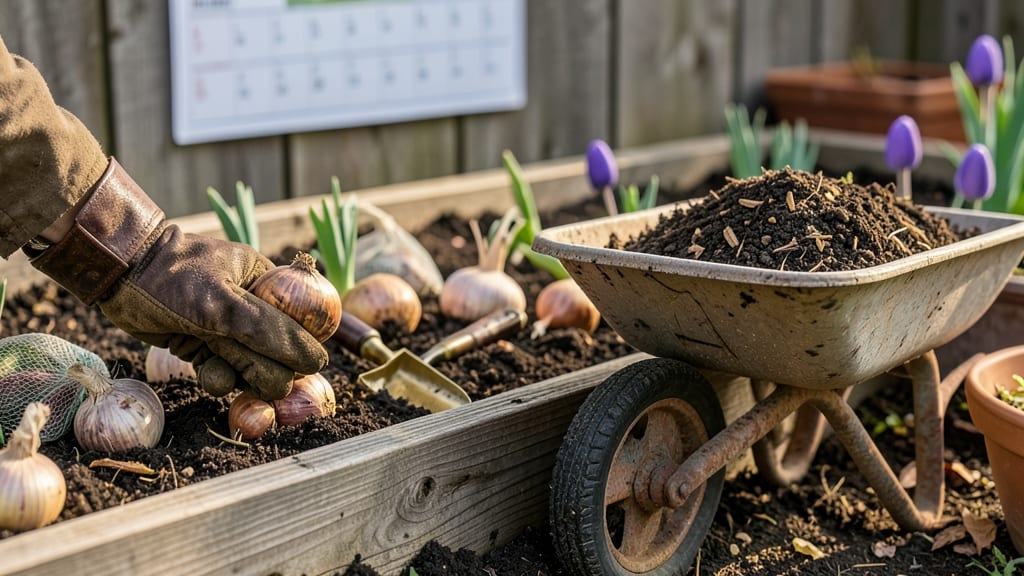
Timing your when to plant bulbs in Zone 4 could mean the difference between a showstopping spring display of 🌷 and a sad, half-bloomed disappointment.
Too early, and your bulbs will rot in cold, soggy soil; too late, and they might not get enough chill hours to trigger those vibrant blooms you're dreaming of.
If you're a Zone 4 gardener, you know the stakes are high—this region's unpredictable freeze-thaw cycles demand precision. But here's the good news: with the right strategy, you can nail the perfect planting window every time.
I'll show you exactly when to plant those tulips, daffodils, and hyacinths for maximum impact, plus how to adjust for your specific microclimate.
We'll cover the science behind chill hours and how to match them with your local frost dates. No more guesswork—just a foolproof system to ensure your bulbs get the cold they crave without the risk of winter damage. Ready to transform your garden next spring?
From soil temperature checks to mulching techniques, I've got the game-changer tips that will have your neighbors asking for your secret. Let's get those bulbs in the ground at the perfect moment so you can enjoy a burst of color when it matters most.
Zone 4 bulb planting timeline by chill-hour requirements
In Zone 4, the key to successful bulb planting isn’t just the calendar date—it’s understanding chill-hour requirements. Most spring-blooming bulbs need 12-16 weeks below 40°F to trigger flowering. Plant too early, and they’ll rot in cold, wet soil; too late, and they won’t bloom before winter’s frost.
Let’s break down the perfect planting windows for your tulips, daffodils, alliums, and crocuses.
Your Zone 4 frost dates typically range from mid-October (first frost) to mid-November (ground freeze). The ideal planting window is 4-6 weeks before the ground freezes, which usually lands in late September to early November.
But not all bulbs are created equal—some need earlier planting, while others can wait until December.
Here’s how to match your bulbs to their chill-hour needs and plant them at the perfect time for vibrant Zone 4 blooms:
| Bulb Type | Chill-Hour Needs | Planting Window (Zone 4) | Depth | Spacing |
|---|---|---|---|---|
| Tulips (most varieties) | 12-16 weeks | Late September - October | 6-8 inches | 4-6 inches apart |
| Daffodils (Narcissus) | 12-14 weeks | October - November | 6-8 inches | 3-6 inches apart |
| Alliums (Ornamental Onions) | 10-12 weeks | Late September - October | 6-8 inches | 6-12 inches apart |
| Crocuses (Early Spring) | 8-10 weeks | September - Early October | 3-4 inches | 2-3 inches apart |
| Hyacinths | 14-16 weeks | Late September - Early October | 6-8 inches | 4-6 inches apart |
Notice how crocuses can handle earlier planting? They’re the hardiest bulbs for Zone 4 and often bloom through late winter snow. Meanwhile, hyacinths need the longest chill period, so plant them early in September to ensure they get enough cold.
For late-summer planting, focus on crocuses and snowdrops, which can tolerate cooler soil. If you miss the fall window, some bulbs like tulips and daffodils can even be planted in early December—just cover them with 4-6 inches of mulch to insulate against freeze-thaw cycles.
Pro tip: Use a soil thermometer to check if the ground is below 50°F before planting. If it’s still warm, wait a few weeks—bulbs planted in warm soil may rot before winter sets in.
Once planted, mark your bulb beds with flags or stakes so you don’t accidentally dig them up in spring. Mulch lightly (2-3 inches) after planting to protect against early frost heaves and keep soil temps stable.
Timing your bulbs right means bold spring color with minimal effort. Stick to these chill-hour guidelines, and you’ll enjoy tulips in April, daffodils in May, and alliums in June—all without guessing.
Zone 4 bulb planting timeline by chill-hour requirements
Understanding chill-hour requirements is the secret to perfect Zone 4 bulb planting. Most spring-blooming bulbs need 12-16 weeks below 40°F to trigger blooming. In Zone 4, this typically means planting between late September and mid-November, but exact timing depends on the bulb variety and your local frost dates.
For example, tulips and hyacinths thrive with 12-16 weeks of chill, while daffodils and alliums can handle up to 20 weeks. Planting too early (like in August) risks rot in warm soil, while waiting until December might mean bulbs miss critical cold exposure.
Here’s how to match bulbs to your Zone 4 timeline for guaranteed spring blooms:
| Bulb Type | Chill Hours Needed | Ideal Planting Window | Notes |
|---|---|---|---|
| Tulips | 12-16 weeks | Late September - Mid-October | Plant early for longer blooms |
| Daffodils | 16-20 weeks | October - Early November | Tolerates later planting |
| Hyacinths | 14-16 weeks | Late September - October | Needs well-draining soil |
| Alliums | 12-18 weeks | September - November | Drought-tolerant once established |
| Crocuses | 8-12 weeks | August - September | Can handle early planting |
Pro tip: Use a soil thermometer to confirm soil temps are below 60°F before planting. If your fall is unusually warm, opt for shade-loving bulbs like grape hyacinths or plant in late October to avoid rot.
Remember, bulbs planted in fall will reward you with spring blooms—just give them the right chill and they’ll thrive despite Zone 4’s unpredictable winters. Start with these timelines, and you’ll be well on your way to a showstopping spring garden.