
Plants
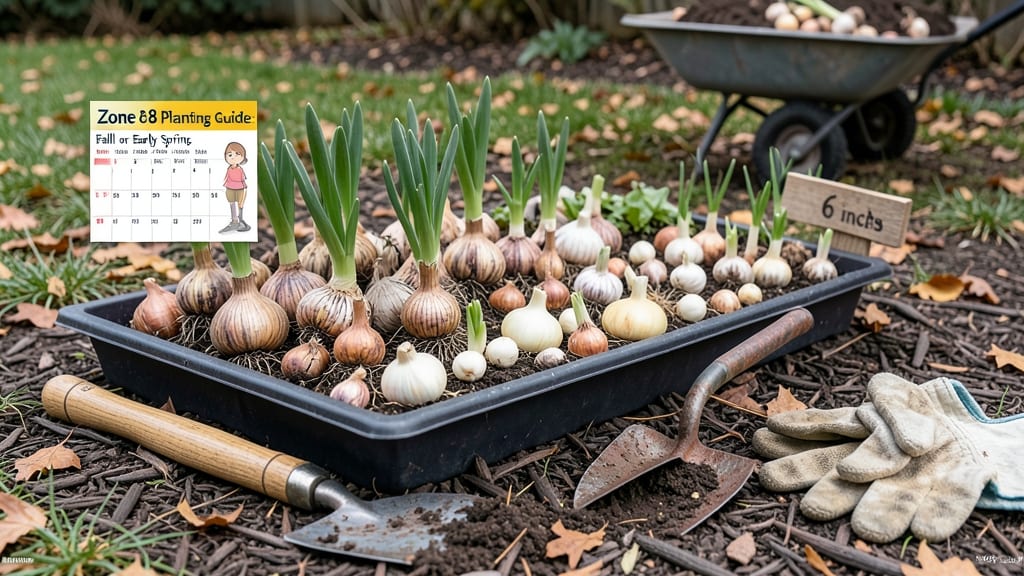
Knowing when to plant bulbs in Zone 8 makes all the difference between a garden bursting with color and one that disappoints. The key isn't just picking a season—it's timing those 6-8 weeks before frost to give roots time to settle in.
In Zone 8, where winters are mild but frost still lingers, getting this right ensures your 🌷 tulips, daffodils, and crocuses thrive.
Fall planting is your best bet for most bulbs, but the exact window depends on whether you're in coastal Los Angeles or inland Atlanta. Too early, and bulbs rot; too late, and they won’t establish before winter.
I’ll break down the ideal months and how to adjust for your microclimate—plus, why some bulbs actually prefer spring planting.
Don’t worry if you’ve missed the fall window. Spring planting is still an option for certain varieties, but the rules change. We’ll cover soil prep, depth, and even how to trick bulbs into thinking winter is coming—so they’ll bloom on schedule.
Ready to turn your Zone 8 garden into a year-round showstopper?
Let’s dive into the exact weeks to plant, regional tweaks, and pro tips to avoid common mistakes. Your future blooms will thank you!
Zone 8 bulb planting calendar: exact weeks before last frost for each type
In Zone 8, the difference between a thriving bulb garden and a failed one often comes down to planting timing. Most gardeners focus on fall planting for spring blooms, but Zone 8’s mild winters and variable frost dates demand precision.
The general rule is to plant 6-8 weeks before the first frost, but this varies by bulb type and microclimate. For example, tulips and daffodils need cooler soil to root, while crocus and hyacinths tolerate slightly warmer conditions.
Zone 8 spans diverse regions—from Atlanta’s humid subtropical climate to Los Angeles’ Mediterranean dryness—so frost dates shift dramatically. In northern Zone 8 (e.g., Atlanta, Nashville), the last frost typically lands around January 15, while southern areas (e.g., San Diego, Phoenix) rarely see frost.
Adjust your schedule based on your local USDA Zone 8a or 8b classification and historical frost data from your county extension office.
Soil temperature is just as critical as air temperature. Most bulbs need soil at 60°F or below to trigger root growth. Use a soil thermometer to monitor conditions—plant when temps consistently drop below this threshold.
For fall-planted bulbs, this usually means mid-September to early November, but coastal areas may extend planting into December.
Spring planting is less common but works for warm-season bulbs like dahlias or cannas. In Zone 8, aim for March to early April, after the last frost but before summer heat sets in. These bulbs thrive in warmer soil, so avoid planting until the ground reaches 65°F.
Zone 8 Bulb Planting Timeline
| Bulb Type | Ideal Planting Window | Soil Temp Threshold | Notes for Zone 8 |
|---|---|---|---|
| Tulips | Late September–November | 60°F or below | Northern Zone 8: Plant by October 15. Southern Zone 8: Can plant until December. |
| Daffodils | October–November | 55–60°F | More frost-tolerant; ideal for Zone 8a areas with earlier frosts. |
| Hyacinths | October–November | 50–60°F | Prefer cooler soil; plant earlier in northern Zone 8. |
| Crocus | September–October | 60–65°F | Early bloomers; great for coastal Zone 8 with mild winters. |
| Dahlias (Spring) | March–April | 65°F+ | Wait until after last frost; mulch to retain moisture. |
| Alliums | October–November | 55–60°F | Drought-tolerant; ideal for dry Zone 8 climates like Southern California. |
🌱 Pro Tip: Use a planting calendar or local frost date tracker to fine-tune your schedule.
For spring-blooming bulbs, timing is critical because they need 6-8 weeks of cold exposure to flower. In Zone 8’s Zone 8a (colder microclimates), plant by November 1 to ensure they get enough chill hours.
In Zone 8b (warmer areas), you can push planting to December, but monitor soil temps closely—warmer soils can cause bulbs to sprout too early and get damaged by unexpected cold snaps.
If you’re in a coastal Zone 8 area like San Diego or Los Angeles, your frost-free winters mean you can plant well into December for spring bulbs. However, avoid planting after January 1, as bulbs may not establish roots before summer heat arrives.
For fall-planted bulbs, prioritize well-draining soil to prevent rot in wet winters.
Spring planting in Zone 8 is best for warm-season bulbs like gladiolus, cannas, or caladiums. These thrive when planted in March or April, after the last frost but before June’s intense heat.
Use mulch to keep soil moist and cool, and plant in partial shade to protect tender shoots from afternoon sun.
One common mistake in Zone 8 is assuming all bulbs follow the same schedule. Spring bulbs (like tulips) need cold dormancy,
How to adjust planting timing for Zone 8’s microclimates and soil conditions
Zone 8’s diverse climate means your last frost date could vary by 4-6 weeks depending on location. For example, Atlanta’s first frost often hits by November 15, while Los Angeles might see frost as late as December 31.
Always check your local USDA frost map or use a frost-freeze calculator for precision.
Heavy clay soils in Zone 8 (common in Tennessee or Georgia) can trap moisture, causing bulbs to rot if planted too early. Amend soil with compost or sand to improve drainage.
In coastal areas like San Diego, milder winters allow later planting—up to December 15 for hardy varieties like daffodils.
Urban heat islands (e.g., Phoenix or Dallas) can delay frost, but bulbs still need 6-8 weeks to root before winter. Plant spring-blooming bulbs like tulips in December or early January to avoid summer heat stress. For fall-planted bulbs, aim for September-October when soil temps drop below 70°F.
🌱
⚠️ Warning: Avoid These Zone 8 Pitfalls
- Planting too early in wet soil → rot risk (common in clay-heavy areas).
- Ignoring microclimates → frost damage in sheltered spots (e.g., valleys).
- Skipping mulch in urban zones → bulbs dry out from heat reflection.
Use straw mulch (2-3 inches) after planting to regulate soil temp and moisture.
Extend your planting window with container gardening. Pots warm up faster than ground soil, so plant spring bulbs in containers 4-6 weeks later than in-ground. Choose well-draining mixes with perlite or vermiculite to mimic ideal conditions.
For frost-sensitive bulbs (like crocus), use frost blankets to protect newly planted bulbs if temps dip below 32°F.
Test your soil’s moisture retention before planting. A simple squeeze test works: Grab a handful of soil—if it forms a tight ball, it’s too clay-heavy. Adjust by adding organic matter (e.g., leaf mold) to improve aeration.
In sandy soils (e.g., Arizona), water more frequently to prevent bulbs from drying out.
Pro tip: Plant shallow-rooted bulbs (like alliums) in raised beds to avoid compaction. Deeper beds also warm up slower, giving you extra weeks to plant in hotter Zone 8b areas (e.g., Austin). Always plant bulbs 2-3 times deeper than their height for stability and frost protection.