
Plants
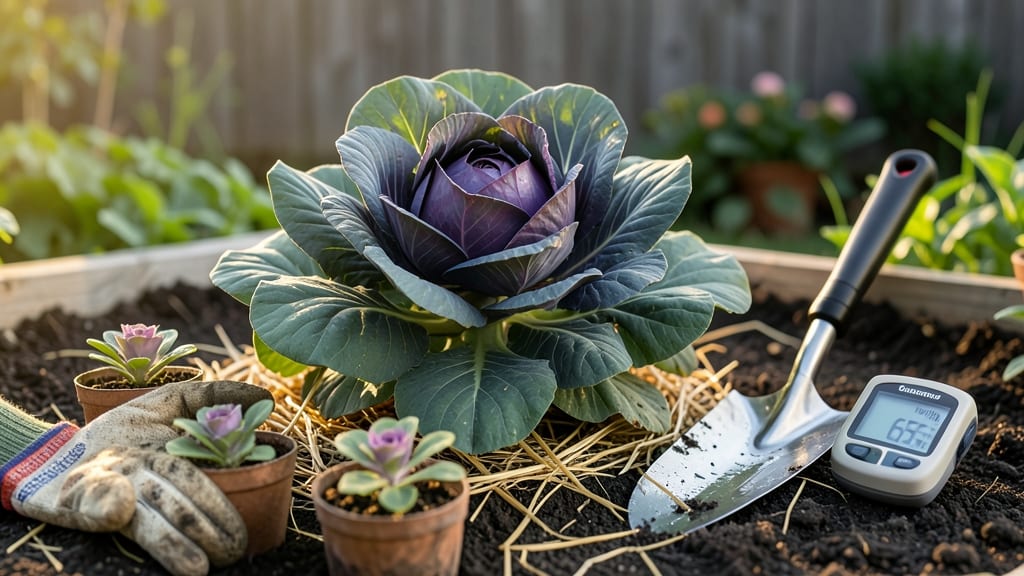
Timing your cabbage planting in Missouri isn’t just about following a calendar—it’s about beating the unpredictable frost and heat waves that can turn your 🥬 crop into a flop before it even starts.
Whether you're in St. Louis or Kansas City, getting those seeds in the ground at the right moment means the difference between a bumper harvest and a sad, wilted disappointment.
Most gardeners in Missouri’s USDA zones 5b-6b swear by planting between March 15 and April 30 for spring crops, then again from July 15 to August 15 for fall.
But here’s the catch: those dates shift depending on whether you’re in northern Missouri (where frost lingers longer) or southern Missouri (where summer heat arrives early).
If you’ve ever stared at a seed packet wondering, “Should I start indoors or just toss these in the dirt?” you’re not alone. The key is knowing when your soil warms up enough for direct sowing—usually around 50°F—and how to protect young plants from late frosts.
I’ll walk you through the exact steps to avoid common mistakes and maximize your harvest.
Ready to grow cabbage that’s crisp, healthy, and ready to harvest by June or September? Let’s dive into the zone-specific planting schedule, soil prep secrets, and variety choices that actually thrive in Missouri’s climate—no guesswork required.
Missouri cabbage planting calendar by USDA Zone (exact weeks for success)
Timing your cabbage planting in Missouri depends on your USDA zone—whether you're in cooler Zone 5b or warmer Zone 6b. The key is planting 4-6 weeks before your last frost date for spring crops or 10-12 weeks before the first frost for fall harvests.
In Missouri, this typically means starting in mid-March to late April for spring and mid-July to mid-August for fall.
Missouri's frost-free season spans roughly 160-200 days, giving you two prime windows to grow cabbage. However, soil temperature matters just as much as calendar dates—cabbage seeds need soil that's at least 45°F (7°C) to germinate properly.
Warmer soil speeds up germination, while cooler temperatures can delay sprouting by weeks.
Here’s how to align your planting with Missouri’s USDA zones and microclimates for maximum success. The table below breaks down the exact weeks and soil conditions for each zone, including early vs. late varieties and transplanting tips.
Missouri Cabbage Planting Guide by USDA Zone
| Zone | Planting Window | Soil Temp for Germination | Last Frost Date | Transplanting Tip |
|---|---|---|---|---|
| 5b (Northern MO) | March 15 - April 15 (spring) July 15 - August 1 (fall) |
45-50°F (7-10°C) | April 15 (avg) | Hardy to cold; use row covers for early starts. |
| 6a (Central MO) | March 20 - April 30 (spring) July 20 - August 10 (fall) |
45-55°F (7-13°C) | April 1 (avg) | Direct-sow or transplant after soil warms to 50°F. |
| 6b (Southern MO) | March 25 - May 1 (spring) July 25 - August 15 (fall) |
50-55°F (10-13°C) | March 25 (avg) | Longer season; plant heat-tolerant varieties for summer. |
Note: Adjust dates 1-2 weeks earlier for urban heat islands or later for highland areas.
For spring cabbage, aim to have mature heads ready by late June to avoid the heat of July and August, which can cause bolting (premature flowering). In contrast, fall cabbage should be planted early enough to harvest before first frost, typically by mid-October.
If you’re in Zone 5b, prioritize early-maturing varieties like ‘Early Jersey Wakefield’ (50-60 days), while Zone 6b gardeners can try longer-season types like ‘Wisconsin Winter’ (100+ days).
One trick I’ve used in Missouri is to stagger plantings every 2 weeks in spring and fall. This ensures a continuous harvest and reduces the risk of losing your entire crop to pests or disease.
For example, plant the first batch in late March, then follow up with early April and mid-April sowings. The same strategy works for fall, with plantings in late July, early August, and mid-August.
Missouri’s humid summers can also stress cabbage plants, so always pair your planting schedule with adequate mulching (2-3 inches of straw or shredded leaves) to retain moisture and cool the soil.
Avoid planting cabbage in areas where Brassica crops (like broccoli or kale) grew the previous year to prevent disease buildup. Instead, rotate to legumes or grasses for at least 3 years.
If you’re starting cabbage indoors for an earlier jumpstart, begin seeds 6-8 weeks before your last frost date. Use seedling trays with a grow light or sunny windowsill, and harden off seedlings for 7-10 days before transplanting.
This method is especially useful in Zone 5b, where cooler springs can delay outdoor planting.
Pro tip: Keep a planting journal to track your cabbage’s progress each year. Note when you
How to adjust planting times for Missouri’s microclimates (heat & frost risks)
Missouri’s landscape isn’t just flat farmland—it’s a patchwork of microclimates where your neighbor’s perfect cabbage patch might fail in your backyard. Urban heat islands in St. Louis can push spring planting back by 2-3 weeks, while river valleys like the Missouri Bootheel stay frost-free longer.
Even a 100-foot elevation change can shift your last frost date by 5-7 days.
If you’ve ever watched your cabbage bolt (send up a flower stalk) under summer heat or freeze after an unexpected frost, you’re not alone. The key is adjusting your planting timeline based on your specific location’s heat risks and frost patterns.
Let’s break down how to customize your schedule for Missouri’s most common microclimates.
🌱 For northern Missouri (USDA 5a-5b), where frost lingers until April 20-25, start seeds indoors by March 1 and transplant after April 15. Use row covers or cold frames to protect young plants until soil reaches 50°F.
In southern Missouri (USDA 6a-6b), where last frosts arrive by March 25-April 5, you can direct-sow as early as March 15.
💧 Pro Tip: Check your local Cooperative Extension Service frost dates annually—they’re updated based on recent weather patterns. For example, Columbia’s frost-free date has shifted 3 days earlier over the past decade due to climate trends.
🌡️ Heat is the bigger enemy in Missouri’s summers. Cabbage bolts when temperatures exceed 80°F for 3+ days. To extend your fall harvest, plant heat-tolerant varieties like ‘Wisconsin Winter’ and use shade cloth (30-50%) during July-August.
Succession plant every 2 weeks from July 15 to August 15 for a staggered harvest.
⚠️ Callout Warning: Avoid planting cabbage in low-lying areas where cold air pools—these spots can have 5-10°F colder nighttime temps than nearby hills. Transplant to higher ground if your garden sits in a frost pocket.
⚠️ Heat & Frost Risks in Missouri
Northern Missouri: Late frosts delay planting—use row covers until soil warms to 50°F.
Southern Missouri: Early heat causes bolting—plant shade-tolerant varieties and water deeply.
Urban Areas: Pavement heat raises soil temps—water more frequently and mulch heavily.
River Valleys: Longer growing season—extend fall planting to September 1 with cold-hardy varieties.
🌿 For urban gardens, where pavement absorbs heat, soil can reach 90°F+ by early afternoon. Mitigate this by:
- Planting in raised beds with 2-3 inches of mulch
- Watering deeply at dawn to cool roots
- Choosing compact varieties like ‘Miniature Drumhead’ that mature faster
📅 Succession planting is your secret weapon for Missouri’s short growing season. After your first harvest, replant with fast-maturing varieties (50-60 days) like ‘Golden Acre’ every 3 weeks from June through July. This ensures you’re harvesting cabbage through September or October, even as frost approaches.