
Plants
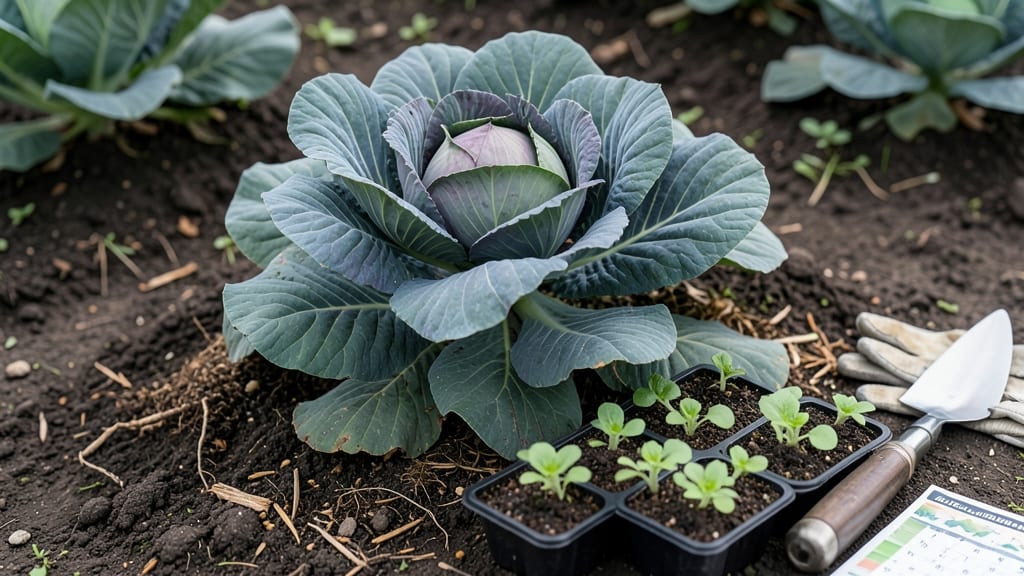
Timing your cabbage planting in Zone 8a can mean the difference between a lush, disease-resistant harvest and a bitter, stunted mess. 🥬 If you've ever watched your cabbage bolt in the heat or rot in the humidity, you know how frustrating it can be.
Here's the thing: cabbage loves cool weather, but Zone 8a's mild winters and long summers make timing tricky. Plant too early, and you risk heat stress; too late, and your heads might never form properly. The key is understanding the two perfect windows that work best for this climate.
In this guide, I'll break down exactly when to plant—whether you're starting seeds indoors or transplanting young plants—and how to protect your cabbage from Zone 8a's quirks. You'll learn the secret to avoiding common mistakes that even experienced gardeners make.
Ready to grow cabbage that's crisp, sweet, and ready to harvest? Let's get started with the timing that actually works for your region.
Optimal planting windows for cabbage in Zone 8A: fall vs. spring strategies
In Zone 8A, cabbage (Brassica oleracea) thrives in cool-season windows, but timing is critical to avoid heat stress or bolting. The ideal planting windows are early spring (February–March) and late summer (August–September), aligning with temperature thresholds of 50–75°F for optimal growth.
Planting outside these windows risks bitter flavors or stunted heads.
Zone 8A’s mild winters and hot summers create unique challenges. Unlike colder zones, you can extend your growing season with succession planting and row covers, but the key is avoiding summer heat, which triggers bolting (premature flowering).
Let’s break down the best strategies for both spring and fall plantings to maximize your harvest.
Spring Planting (February–March) is your first opportunity. Start seeds indoors 6–8 weeks before the last frost (January 15 in Zone 8A) or transplant 4–6 week old seedlings directly into the garden. This ensures heads form before spring heat arrives (typically by April–May). Use shade cloth if daytime temps exceed 75°F.
| Planting Window | Best Months | Temperature Range | Key Tips | Harvest Window |
|---|---|---|---|---|
| Early Spring | February–March | 50–70°F | Start seeds indoors; transplant after last frost | May–July |
| Late Summer/Fall | August–September | 60–75°F | Use row covers; avoid bolting with shade | October–December |
For fall plantings (August–September), focus on heat-tolerant varieties like 'Golden Acre' or 'Red Express', which handle warmer soils better than standard types. Plant 6–8 weeks before the first frost (November 15 in Zone 8A) to ensure heads mature before cold sets in.
Use lightweight row covers to protect seedlings from late-summer pests like cabbage worms.
One common mistake is planting too late in spring or too early in fall. If you miss the February–March window, wait until August—don’t attempt summer plantings, as temps above 80°F will cause bolting within 2–3 weeks.
Similarly, September plantings must be timed to harvest before December’s chill.
Soil preparation is just as critical as timing. Amend your garden beds with compost and a balanced fertilizer (10-10-10) to provide nutrient-rich soil. Cabbage prefers slightly acidic to neutral pH (6.0–7.0), so test your soil and adjust with lime or sulfur if needed.
Space plants 18–24 inches apart to allow for air circulation, reducing disease risk.
Watering strategies also vary by season. In spring and fall, aim for 1–1.5 inches of water weekly, focusing on deep, consistent moisture. During summer heat, increase frequency to daily watering in the early morning to prevent stress.
Mulch with straw or grass clippings to retain soil moisture and suppress weeds.
Finally, monitor for pests and diseases like clubroot or cabbage loopers, which thrive in Zone 8A’s humid summers. Rotate crops annually and practice crop rotation to break disease cycles. If you notice yellowing leaves or stunted growth, act quickly with neem oil or organic insecticides.
By mastering these timing strategies, you’ll enjoy crisp, disease-resistant cabbage heads twice a year in Zone 8A—no bitter surprises! 🥬
Optimal planting windows for cabbage in Zone 8A: fall vs. spring strategies
In Zone 8A, cabbage grows best when temperatures stay between 50°F and 75°F. Planting outside this range risks bolting (premature flowering) or disease. The two best windows are early spring (February–March) and late summer (August–September), each with unique advantages.
Spring plantings give you an early harvest, but Zone 8A’s heat arrives quickly. Fall plantings avoid summer stress but require careful timing to mature before winter. Let’s break down the ideal schedule for each, including frost dates and soil prep tips.
| Planting Window | Best Months | Soil Temp | Frost Risk | Harvest Window |
|---|---|---|---|---|
| Spring | February–March | 50–60°F | Low (post-first frost) | May–July |
| Fall | August–September | 60–70°F | Moderate (pre-first frost) | October–December |
For spring plantings, start seeds indoors 6–8 weeks before last frost (around January 15 in Zone 8A). Transplant seedlings when soil warms to 50°F and nights stay above 40°F. Use row covers if frost lingers to protect young plants.
Fall plantings are trickier but rewarding. Aim for August–early September so heads mature before first frost (November 15). Choose fast-maturing varieties (60–70 days) like ‘Golden Acre’ or ‘Early Jersey Wakefield’ to beat the clock. Mulch heavily to insulate roots.
Both windows require well-draining, fertile soil with a pH of 6.0–7.0. Amend clay soil with compost to prevent waterlogging, which invites rot. Avoid planting where brassicas grew last year to prevent disease buildup.
Pro tip: Test soil temperature with a soil thermometer—cabbage roots struggle below 45°F or above 80°F. If your spring soil heats up too soon, opt for shade cloth until temps drop.