
Plants
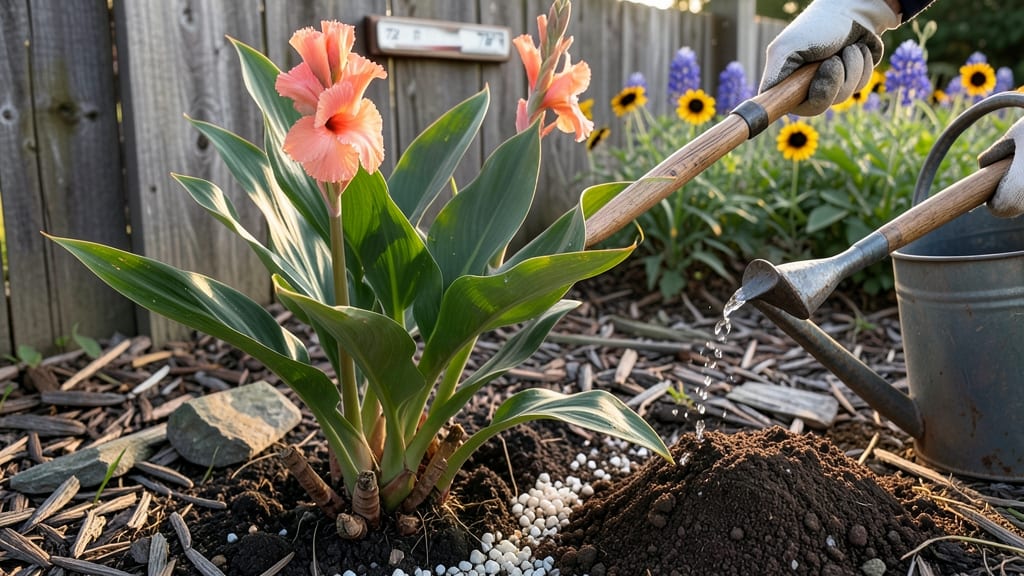
If you've ever watched a 🌺 canna burst into vibrant blooms and wondered, "When to plant canna bulbs in Texas for the best results?"—timing is the secret.
Planting these tropical beauties in Texas at the wrong moment means struggling through stunted growth or missed summer color, while nailing the window guarantees bold, nonstop blooms all season.
Texas gardeners face a unique challenge: USDA zones 8a-11 mean frost dates vary wildly from North to South, and summer heat can scorch new plantings if you're not careful.
The key is knowing exactly when to tuck those bulbs into the soil—whether you're in freeze-prone North Texas or the steamy South where the growing season never seems to end.
I've tested the perfect planting windows for two distinct seasons: spring (after last frost) and late summer (for fall blooms).
Whether you're prepping in-ground beds or containers, these heat-zone specific dates will help you avoid the most common mistakes—like planting too early and risking frost damage or too late and missing peak bloom potential.
Let's dive into the exact months, soil prep tricks, and variety recommendations that'll turn your Texas garden into a year-round canna showstopper. Your secret to lush foliage and fiery blooms starts with the right timing.
Texas heat-zone planting calendar for canna bulbs (with frost dates)
Timing is everything when planting canna bulbs in Texas—miss the window, and you risk frost damage or weak growth. Since Texas spans USDA zones 7-11, your planting schedule depends on whether you're in North Texas (cooler) or South Texas (warmer).
The key is planting after the last frost date—typically mid-February to late March—or in late summer for fall blooms.
For North Texas gardeners (zones 7-8), aim for March to early April to avoid late frosts. In South Texas (zones 9-11), you can plant as early as February or even push to late summer (August-September) for a second bloom cycle.
The goal? Warm soil and consistent heat to trigger those bold, tropical blooms.
Here’s how to align your planting with Texas’ heat zones and frost risks:
In North Texas, where frosts linger until March, wait until soil temperatures hit 60°F+ (use a soil thermometer to check!). For South Texas, you can plant earlier—even in February—but prioritize well-draining soil to prevent rot in the heat.
Pro tip: Use black plastic mulch to warm soil faster in cooler zones.
For container gardeners, timing shifts slightly. Containers warm up faster, so you can plant 2-3 weeks earlier than in-ground. Just ensure your pots have drainage holes and use a lightweight potting mix to avoid overheating roots.
In extreme heat zones (10-11), fall planting (August-September) gives you a second burst of vibrant blooms before winter.
If you’re in a transition zone (8a-8b), like Austin or San Antonio, play it safe: plant after April 15 to avoid late frosts. Monitor your local Cooperative Extension Service for frost alerts—these are your best friends for Texas-specific planting dates.
And remember, canna bulbs thrive on heat, so the earlier you plant in warmer zones, the sooner you’ll see those showstopping flowers.
One common mistake? Planting too late and missing the summer bloom window. Cannas need 6-8 weeks of warm weather to establish before they burst into color. If you’re in North Texas and plant after May 1, you might only get small, sparse blooms before fall. Plan ahead!
For fall blooms, focus on late summer planting (August-September). This works best in South Texas, where winters are mild. In cooler zones, dig up bulbs before frost and store them in a cool, dry place (like a garage) to replant next spring.
With the right timing, your canna bulbs will reward you with nonstop color from summer to frost.
🌺
5 Critical signs your Texas soil is ready for canna bulbs (and how to fix it)
Texas soil can be tricky—too cold, too dry, or too compacted, and your canna bulbs will struggle to thrive. Before you plant, check these 5 critical signs to ensure your soil is primed for success.
Skipping this step often leads to stunted growth or even bulb rot in our unpredictable climate.
First, test your soil temperature—cannas need it to stay above 60°F (15°C) for roots to establish. Use a soil thermometer in the afternoon; if it’s cooler, wait or use black plastic mulch to warm it faster. Cold soil is the #1 reason cannas fail in early spring plantings.
Next, dig a small hole and check the moisture level. Stick your finger in—if it’s bone dry, your soil isn’t ready. Cannas prefer well-draining but consistently moist soil.
Amend with compost or peat moss to improve water retention without compacting it. Overly sandy soil? Mix in coco coir for better moisture retention.