
Plants
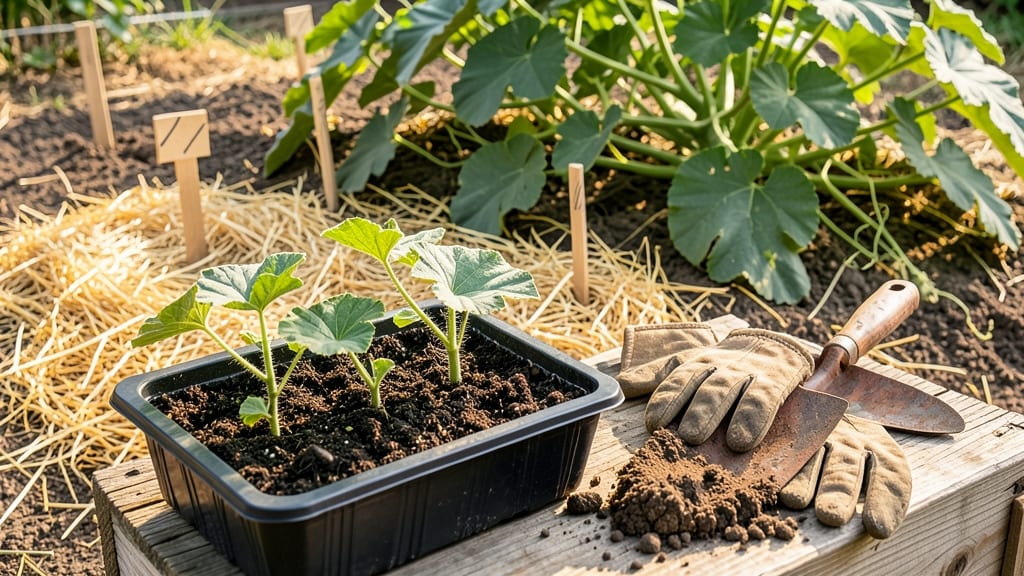
Planting cantaloupe in Georgia isn’t just about timing—it’s about catching that perfect window between frost and scorching heat. If you get it wrong, you’ll either lose seedlings to cold soil or watch your vines wilt before they even fruit.
The key to success? Waiting until soil temperatures hit 75°F+ and all frost danger has passed—usually late March to early April for most of the state.
Georgia’s diverse climate means your county’s last frost date could be weeks apart from your neighbor’s. Coastal areas might be ready by early March, while Piedmont regions often wait until mid-April. Skipping this step means risking stunted growth or worse—seedlings that rot in damp, chilly soil.
I’ll show you exactly how to check soil warmth and adjust your planting schedule for your specific area.
Once you’ve nailed the timing, the next challenge is choosing the right cantaloupe variety for Georgia’s humidity and heat. Some types thrive in early spring’s mild conditions, while others handle summer’s brutal sun like champions.
By the end of this guide, you’ll know which varieties to pick, how to prep your soil for maximum germination, and even how to extend your harvest season with simple tricks.
Ready to grow cantaloupes that burst with sweetness instead of disappointment? Let’s dive into the step-by-step plan that’ll turn your Georgia garden into a juicy, vine-covered paradise—without a single wasted seed.
Georgia’s frost-free deadlines by county: when to plant cantaloupe for maximum yield
Georgia’s diverse climate—from the humid Coastal Plain to the cooler Appalachian Mountains—means last frost dates vary dramatically by county. For cantaloupe, planting too early risks frost damage, while waiting too long cuts harvest time.
Let’s break down the optimal planting windows by region to maximize your sweet, ripe cantaloupes.
Cantaloupes thrive in USDA zones 7b-8b, but even within Georgia, microclimates create 30-day differences in frost-free dates. Coastal areas like Savannah often see frost-free conditions by mid-February, while mountainous regions like Dahlonega may wait until late April.
Soil temperature is just as critical—75°F+ is non-negotiable for germination.
Here’s how to align your planting with Georgia’s regional frost-free deadlines and soil warmth goals:
For Coastal Georgia, early planting in February lets you harvest by May, but watch for humidity-related diseases. In the Piedmont, aim for late March to avoid late-spring frosts. Mountain gardeners should wait until May—earlier planting risks cold soil rot.
Use local frost data from the Georgia Automated Environmental Monitoring Network (AEMN) to fine-tune your schedule. For example, Athens averages March 20 for last frost, but a 5-year delay could push planting to April 10.
When in doubt, plant after April 15 in most of Georgia to play it safe.
Pro tip: Extend your season by using black plastic mulch to warm soil faster. In Zone 7b (e.g., Gainesville), this can shave 2 weeks off your planting timeline. Just remove mulch when vines spread to prevent overheating.
Timing isn’t just about frost—it’s about heat tolerance. Cantaloupes need consistent 80°F+ days to set fruit. Planting in May in the Piedmont ensures you’re in sync with Georgia’s summer heat peaks, which is when these vines really thrive.
If you’re in Zone 8b (e.g., Savannah), you can even try two plantings: one in February for an early harvest and another in May for a fall crop. Just be prepared to hand-pollinate if humidity keeps bees away.
Remember: Soil temperature > air temperature. A 70°F air temp won’t cut it—you need 75°F+ soil for seeds to germinate. Use a soil thermometer (available at garden centers for $10) to confirm readiness. Planting too soon? Your seeds will rot in the ground.
Soil temperature & cantaloupe germination: how to test and prepare planting beds
Cantaloupe seeds need warm soil to germinate—anything below 75°F slows them down or causes rot. In Georgia, this usually means waiting until mid-April for most regions, but coastal areas might be ready by late March. The key trick is using a soil thermometer to confirm warmth before planting.
Cold soil is the #1 reason cantaloupe seeds fail to sprout. Even if daytime temps feel warm, the ground can stay chilly at 50-60°F, which triggers fungal diseases like damping-off. I’ve seen this happen in Piedmont gardens where early planters rushed seeds into unwarmed beds.
- Rot: Seeds left in below-70°F soil rot before sprouting
- Damping-off: Fungal disease kills seedlings at soil level
- Slow growth: Plants emerge weak and stunted
To speed up soil warming, I recommend black plastic mulch laid 2-3 weeks before planting. This raises soil temps by 10-15°F and suppresses weeds. For raised beds, add composted manure (2-3 inches deep) to retain heat.
In North Georgia mountains, even May can be too cool—consider row covers for an extra 2-week extension.
Test soil readiness by inserting a thermometer 2 inches deep at midday. If it reads 75°F+ for 3 consecutive days, your cantaloupe seeds are ready. Pro tip: Morning tests (6-8 AM) often show the lowest temps—this is your true baseline.
For containers, use black pots or place them on heat-absorbing surfaces (like dark-colored bricks). Potted cantaloupes need daily watering to prevent soil from cooling too quickly. In South Georgia, where heat arrives early, you might even plant as soon as late February in protected microclimates.
Remember: Germination takes 5-10 days in ideal conditions. If you don’t see sprouts within 2 weeks, the soil was likely too cold. Keep testing—your cantaloupe’s success depends on getting this one critical step right.