
Plants
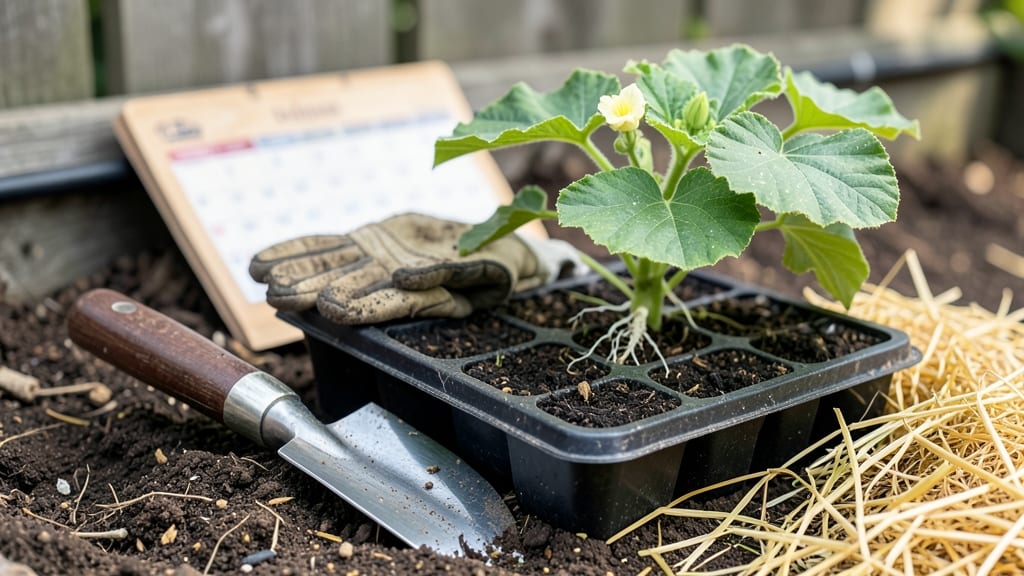
If you've ever planted cantaloupe in Indiana only to watch your seeds fizzle in cold soil, you know timing is everything—and the calendar isn't always your best guide.
The key to fast, healthy germination isn't just waiting until April 15, but checking when your soil finally warms to 70°F or higher.
For Indiana gardeners in USDA Zone 6a, this usually means holding off until late April or early May, when the ground has baked enough under the sun.
But here's the catch: rushing it too soon can leave your seedlings vulnerable to frost, while waiting too long might cut your harvest short.
I'll show you exactly how to time your planting for fast germination and a bountiful 🍈 harvest, plus pro tips for preparing your soil and choosing the right varieties that thrive in Indiana's climate.
No more guessing games—just science-backed advice to get your cantaloupe off to a running start this spring.
Indiana’s ideal soil temperature for planting cantaloupe seeds
Cantaloupe seeds need consistent soil warmth to germinate—at least 70°F is non-negotiable. In Indiana’s USDA Zone 6a, this typically means waiting until late April to early May, after the average last frost date (April 15).
However, urban areas like Indianapolis may warm up faster than rural spots, so always check your microclimate.
Cold soil slows germination to a crawl, leaving your seeds vulnerable to rot. I’ve seen cantaloupe seeds take two weeks or longer to sprout when planted in 50°F soil—a recipe for frustration. Use a soil thermometer (just $10 at garden centers) to confirm readiness before planting.
Indiana’s black plastic mulch is a game-changer for speeding up soil warming. Lay it down 1-2 weeks before planting to raise soil temps by 5-10°F. This trick lets you plant 2-3 weeks earlier than traditional methods, extending your harvest window.
Pro tip: Test soil warmth at 4-inch depth, where roots will be. Morning is best—soil cools overnight, so an afternoon reading might be misleading. Aim for 75°F+ for fastest germination.
| Requirement | Indiana Specification |
|---|---|
| Soil Temperature | 70°F+ (minimum), 75°F+ (ideal) |
| Last Frost Date | April 15 (average) |
| Planting Window | Late April–early May (with mulch) |
| Germination Time | 5–10 days (75°F+ soil) |
| Microclimate Note | Urban areas warm faster than rural |
Indiana’s northern counties (like LaPorte) may need to wait until mid-May, while southern regions (e.g., Evansville) can plant by early April if using mulch. Always monitor local weather forecasts for late frost warnings—a 30°F night can wipe out young seedlings overnight.
For extra insurance, use row covers or cold frames until soil warms. I’ve had cantaloupe thrive in Zone 5b with these protections, pushing the planting window back by 3 weeks. Just remove covers once soil hits 65°F to prevent overheating.
Remember: Cantaloupe is a warm-season crop, so rushing it leads to poor yields. Patience here means sweeter, larger fruits later. My best harvests came from waiting for perfect conditions rather than playing catch-up.
If you’re unsure about your soil’s readiness, try the finger test: Stick your hand in the soil for 10 seconds. If it feels warm to the touch (like a hot cup of tea), it’s likely in the right range. Combine this with your thermometer for foolproof results.
Once your soil hits 70°F+, act fast—cantaloupe seeds lose viability quickly in hot conditions. Plant in mounds or hills (not flat rows) to improve drainage and warmth retention. This simple adjustment can boost your success rate by 30%.
Indiana’s ideal soil temperature for planting cantaloupe seeds
Cantaloupe seeds need consistent warmth to germinate, and Indiana’s USDA Zone 6a climate can be tricky. Unlike cool-season crops, cantaloupe won’t sprout until soil temperatures hit at least 70°F.
This usually happens in late April or early May, but calendar dates alone aren’t reliable—you’ll need to test your soil.
Many Indiana gardeners mistakenly plant too early, only to see their seeds rot in cold, damp soil. The average last frost date for most of Indiana is April 15, but soil warmth lags behind air temperatures.
Rural areas warm faster than cities, and south-facing beds heat up quicker than shaded spots.
To avoid disappointment, grab a soil thermometer (they’re cheap and worth it!). Check temperatures at 1-inch depth in the morning for 3–5 days. If it’s consistently 70°F or warmer, your cantaloupe seeds are ready to go. If not, wait another week—your patience will pay off with faster germination.
| Key Factor | Indiana Specification |
|---|---|
| Soil Temperature | 70°F+ (minimum for germination) |
| Last Frost Date | April 15 (varies by region) |
| Best Planting Window | Late April–early May |
| Urban vs. Rural | Rural warms 3–5 days earlier |
| Germination Time | 5–10 days (with warm soil) |
If your soil isn’t warm enough by mid-May, don’t panic—you can still plant! Use black plastic mulch to raise soil temperatures by 5–10°F. Lay it down 1–2 weeks before planting to give the ground a head start.
This trick works especially well in northern Indiana, where cooler springs delay planting.
Pro tip: Plant seeds 1 inch deep and 2–3 inches apart in hills spaced 3–4 feet apart. This spacing gives vines room to sprawl and improves airflow, reducing the risk of fungal diseases like powdery mildew—a common issue in Indiana’s humid summers.
Once your cantaloupe seeds sprout, they’ll grow fast—expect seedlings in 5–10 days if conditions are ideal. Thin to the strongest plant per hill when they’re 2–3 inches tall. Thin seedlings make great compost or a tasty snack for your chickens!