
Plants
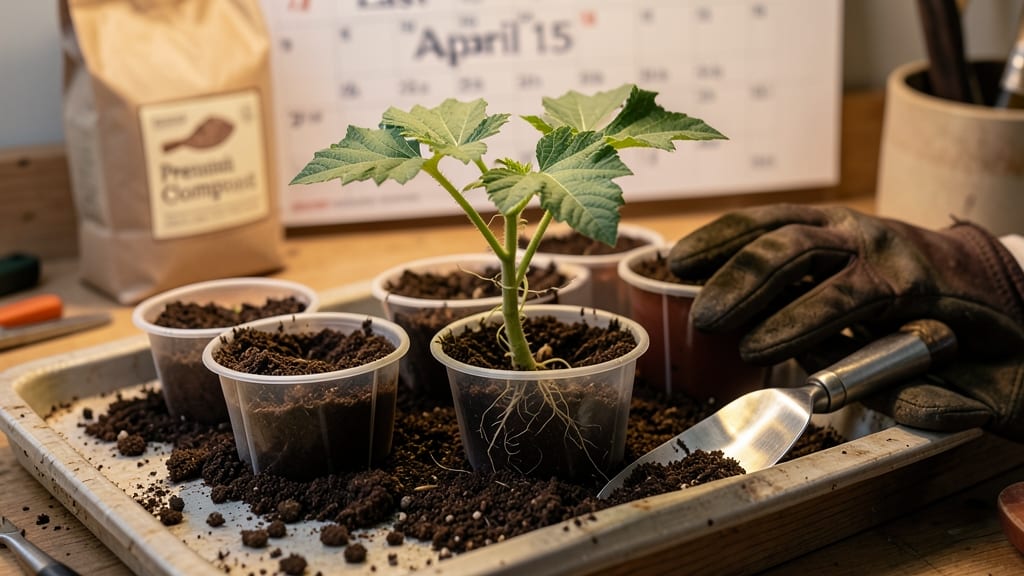
Timing your cantaloupe planting in Tennessee could mean the difference between a bumper crop of sweet 🍈 melons and wasted effort. With the state's varied climate—from the cooler Smoky Mountains to the hotter river valleys—getting the dates right is the key to success.
Most gardeners in zones 6a-7b should wait until mid-April to early May, after the last frost has passed and soil temperatures reach at least 70°F. But here's the catch: planting too early risks frost damage, while waiting too long might leave you scrambling as summer heat arrives.
In this guide, I'll break down the best planting strategies for Tennessee's microclimates, whether you're starting seeds indoors or going straight to the garden. You'll discover how to adjust for your specific region and avoid common mistakes that could ruin your harvest.
Let's make sure your cantaloupe vines get the perfect start—because nothing beats that first taste of homegrown sweetness when summer rolls around.
Optimal planting dates for Tennessee’s 3 distinct growing zones
Tennessee’s three distinct growing zones—East, Middle, and West—create unique microclimates that demand tailored cantaloupe planting strategies. In East Tennessee (USDA Zone 6a-7a), cooler mountain air delays soil warming, while West Tennessee (Zone 7a-8a) often experiences earlier springs.
Middle Tennessee falls in between, with Nashville’s urban heat islands creating localized warmth pockets.
To succeed, focus on soil temperature (minimum 70°F) and last frost dates, which vary by 1-2 weeks across the state. For example, Chattanooga’s last frost typically arrives by April 15, while Memphis sees it by March 20.
These differences mean your planting window could shift from late March in the west to early May in the mountains.
Here’s how to align your cantaloupe planting with Tennessee’s regional realities:
For direct sowing, wait until nighttime temperatures stay above 55°F and soil reaches 70°F at 2-inch depth. In East Tennessee, this often means delaying until late April, while West Tennessee gardeners can start as early as late March in protected microclimates.
If you prefer transplanting seedlings, start them indoors 4-6 weeks before your region’s last frost. Harden off seedlings for 7-10 days before setting them out, as Tennessee’s unpredictable spring weather can bring late frosts even after official dates.
Use row covers or cloches for extra protection during this critical period.
In West Tennessee’s warmer zones, you can even try succession planting for a staggered harvest. Sow a second batch in early June to extend your season until September, when cooler nights slow vine growth.
Just ensure your soil stays consistently moist during these late plantings to prevent bitter fruit.
Pro tip: Use a soil thermometer to track warmth—cantaloupe roots won’t develop properly below 65°F. In East Tennessee’s cooler pockets, lay down black plastic mulch 2-3 weeks before planting to accelerate soil warming by 5-10°F.
Remember, cantaloupe thrives on heat, so the earlier you can plant after frost, the better. But don’t rush—tender seedlings won’t survive Tennessee’s late spring frosts, which can dip below 32°F even in May. When in doubt, err on the side of waiting for stable warmth.
How to adjust planting for Tennessee’s unpredictable weather patterns
Tennessee’s weather can be as unpredictable as a summer storm—one day it’s chilly, the next it’s scorching. To protect your cantaloupe seedlings, I’ve tested strategies that work in my Middle Tennessee garden (Zone 7a) and beyond.
The key is flexibility: knowing when to delay planting, how to warm soil faster, and which cantaloupe varieties thrive in Tennessee’s heat.
Start by checking your local last frost date. In most of Tennessee, this falls between mid-April (East TN) and early May (West TN). But if you’re in the Smoky Mountains, wait until late May—those high elevations stay cooler longer.
Use a soil thermometer to confirm temperatures are above 70°F before planting.
For extra protection, I swear by black plastic mulch, which warms soil by 10-15°F and suppresses weeds. Lay it down 1-2 weeks before planting to give your soil a head start. If frost threatens after you’ve planted, cover seedlings with frost cloth or even old bedsheets secured with bricks.
Here are my top 3 cantaloupe varieties that handle Tennessee’s heat and humidity like champs:
If you’re planting in June or later, choose fast-maturing varieties (like ‘Athena’) to ensure harvest before fall frosts. For extra insurance, try succession planting: sow a second batch in early June if your first planting underperforms.
Just be prepared to water deeply during Tennessee’s dry spells—cantaloupes need 1-2 inches of water weekly.
Pro tip: Plant cantaloupes near bush beans or corn to improve soil structure and deter pests. Avoid planting near potatoes or squash, as they compete for nutrients. With these adjustments, you’ll beat Tennessee’s weather and enjoy homegrown cantaloupes from July through September.