
Plants
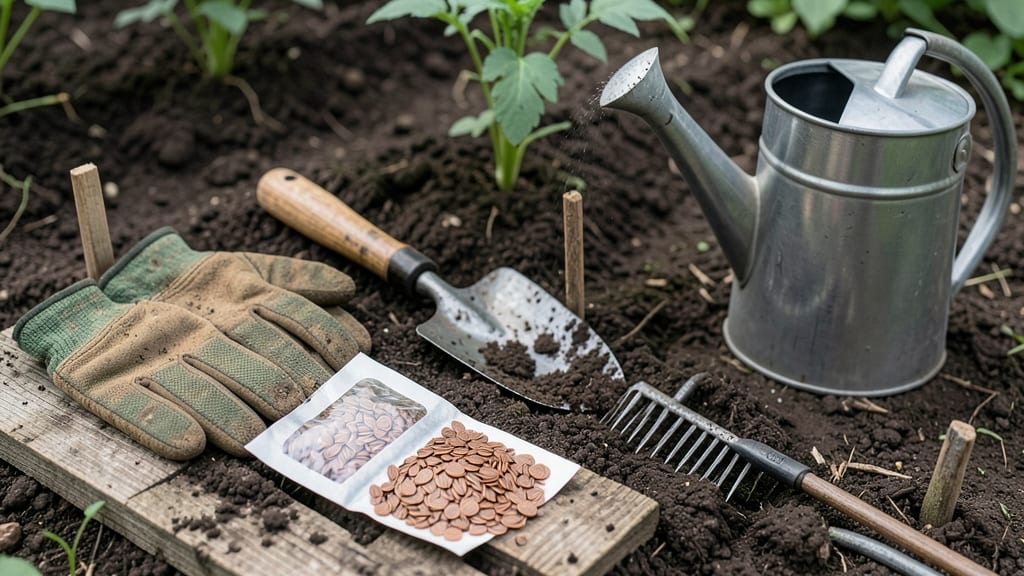
Timing your 🥕 carrot seed planting in Ohio wrong can mean the difference between a crisp, sweet harvest and a bitter, woody mess—especially when Ohio’s famously fickle spring weather throws curveballs.
Whether you’re a seasoned gardener or a first-timer, getting the window right is the key to avoiding frost damage or summer bolting that turns your dream roots into sad, stringy failures.
Most Ohio gardeners know the basics: early spring and late summer are the sweet spots, but USDA Zone 6a rules don’t always account for your specific microclimate. Too early, and a late frost will nip your seedlings before they even sprout.
Too late, and your carrots might bolt or develop that dreaded "wild carrot" texture before you can harvest them. The secret? Planting when soil temps hit 50°F+—not air temps—and knowing exactly when to start seeds indoors or direct-sow outdoors.
In this guide, I’ll break down Ohio’s planting zones by region, so you know whether you’re in a Northwest area with earlier last frosts or a Southeast corner where summer heat arrives faster.
You’ll also learn how to prep your soil for those perfect, straight roots (no rocks, no clumps!) and when to thin seedlings for maximum yield. Let’s get those 🥕 carrots growing like a pro.
Ready to skip the guesswork? By the end, you’ll have a clear timeline tailored to your corner of Ohio—so you can enjoy homegrown carrots from July through October without the stress. No more "maybe next year" excuses!
Ohio carrot planting calendar: frost dates by microclimate Zone
Ohio’s microclimates create a patchwork of planting windows—what works in Toledo (USDA Zone 6a) may fail in Athens (Zone 6b). To avoid frost damage or bolting, align your carrot seeds with your zone’s last frost dates and soil temperature thresholds (aim for 50°F+).
Below, I’ve broken down the ideal planting windows for Ohio’s five key regions, plus how to adjust for early varieties or succession planting.
Carrots thrive in cool soil, so wait until the ground warms to 50°F—even if air temps rise. Use a soil thermometer to check; most Ohio zones hit this mark by mid-April in the south and late April in the north.
For early harvests, start seeds indoors 4–6 weeks before your last frost date, then transplant seedlings after soil warms.
Pro tip: Cover seeds with row fabric if planting in March—this protects tender sprouts from late frosts while letting sunlight through. Remove the fabric once true leaves appear (about 2 weeks later). This trick buys you 2–3 extra weeks of planting time in Zone 6a.
🌱
| Region | USDA Zone | Avg. Last Frost | Planting Window | Soil Temp Threshold |
|---|---|---|---|---|
| Northwest (Toledo, Lima) | 6a | April 15–20 | April 1–May 10 | 50°F+ |
| Northeast (Cleveland, Akron) | 6a | April 10–15 | March 25–April 20 | 50°F+ |
| Central (Columbus, Dayton) | 6a/6b | April 5–10 | March 15–April 15 | 50°F+ |
| Southeast (Cincinnati, Lexington) | 6b | March 30–April 5 | March 1–April 1 | 50°F+ |
| Southwest (Chillicothe, Athens) | 6b | March 25–30 | February 25–March 15 | 50°F+ |
Note: Adjust for early varieties (e.g., ‘Paris Market’) or succession plant every 2 weeks.
For northern Ohio gardeners (Zones 5b–6a), consider cold-hardy varieties like ‘Nantes’ or ‘Chantenay’ to push your planting window 1–2 weeks earlier. These types tolerate 45°F soil and light frosts better than standard carrots.
In southern Ohio, where soil warms faster, you can start as early as late February under row covers or in a high tunnel.
If you miss the spring window, don’t despair—Ohio’s fall planting (August–September) yields sweeter, less woody carrots. The key? Choose short-day varieties like ‘Danvers’ or ‘Golden Acre’ and keep soil temps below 80°F to prevent bolting.
I’ll cover fall strategies in detail later, but for now, mark August 1–15 as your deadline for Zone 6a.
🌿
Use a garden journal to track your local frost dates—Ohio’s microclimates shift yearly. For example, Columbus might see its last frost on April 5 one year and April 20 the next.
Plant test rows every 2 weeks in spring to gauge your soil’s readiness. And remember: Rocky or clay-heavy soil? Loosen it first
Carrot seed planting depth and spacing: Ohio-specific tips for success
Ohio’s soil can be a double-edged sword for carrots—too clay-heavy, and your roots will fork or split; too sandy, and they might not hold moisture long enough. The secret to straight, crisp carrots starts with proper planting depth and spacing.
Unlike many veggies, carrot seeds are tiny, so precision matters. Aim for ¼-inch depth—any deeper, and they won’t germinate; any shallower, and they’ll dry out before sprouting.
For spacing, give each seed 2–4 inches of room to grow. Crowd them too close, and you’ll end up with pencil-thin roots competing for nutrients.
In Ohio’s short-season zones, like Northeast Ohio, you might even plant seeds in succession every 2 weeks from April to June to stretch your harvest window. This works especially well for Danvers Half Long or Nantes varieties, which mature faster.
Row spacing is just as critical. Leave 12–18 inches between rows to allow airflow and easy weeding. In heavy clay soils (common in Central Ohio), mix in sand or compost to improve drainage.
For sandy soils (like those in Northwest Ohio), add organic matter like peat moss to retain moisture. A quick soil test before planting can save you from headaches later.
| Factor | Ohio-Specific Guideline |
|---|---|
| Planting Depth | ¼ inch (never deeper) |
| Seed Spacing | 2–4 inches apart |
| Row Spacing | 12–18 inches |
| Soil Prep (Clay) | Add sand/compost |
| Soil Prep (Sandy) | Add peat moss |
| Succession Planting | Every 2 weeks (April–June) |
After seeds sprout (usually in 10–14 days if soil temps are ideal), it’s time to thin seedlings to your target spacing. Use scissors or your fingers to snip the thinnest seedlings at soil level, leaving the strongest ones.
This might sound cruel, but it prevents overcrowding and ensures larger, straighter roots. Pro tip: Thin seedlings on a cloudy day to reduce stress on the remaining plants.
Ohio’s humid summers can also play havoc with carrot growth, so mulch your rows with straw or shredded leaves to keep soil moist and cool. Avoid wood chips—they can introduce weeds and rob nitrogen from your soil.
If you’re planting in containers (great for urban gardeners in Columbus or Cleveland), use a lightweight potting mix with perlite to prevent compaction, which causes forking.
Remember, carrots are cool-season crops, so avoid planting them when soil temps exceed 80°F. In Southeast Ohio, where summers arrive earlier, opt for shorter-day varieties like ‘Paris Market’ to avoid bolting.
With the right depth, spacing, and soil prep, you’ll be harvesting crisp, sweet carrots by late summer—no more store-bought sad excuses!