
Plants
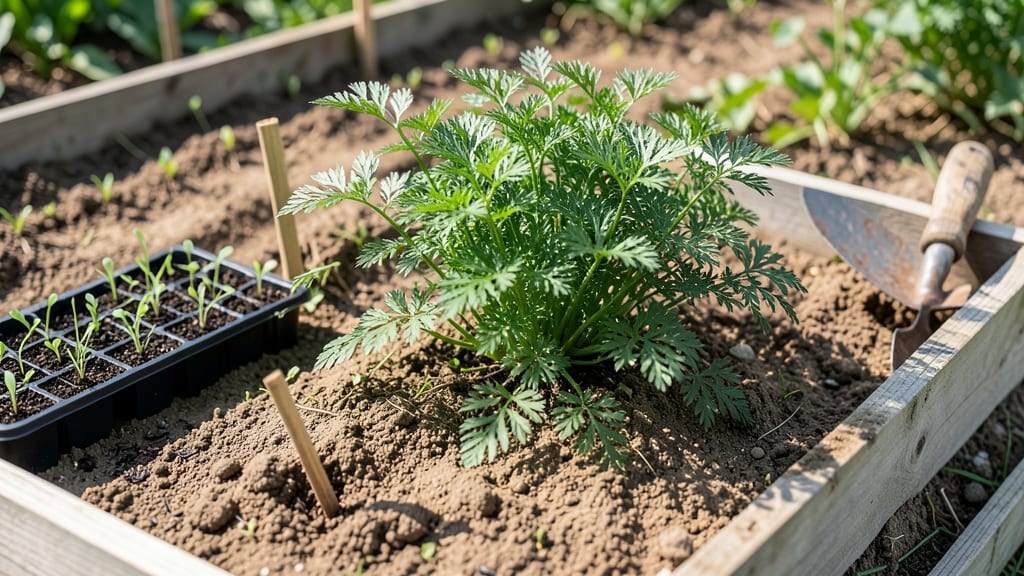
Timing your carrot planting in Central Florida could mean the difference between a bumper crop of sweet, crisp roots and a sad, wilted disappointment. The key?
Avoiding the brutal summer heat and working with Florida’s unique climate—where the wrong window can send your 🥕 plants bolting before they even get started.
Most gardeners here focus on the obvious fall planting window, but did you know spring offers a second chance? I’ll break down the exact months to plant for perfect roots, plus the three mistakes that wreck harvests—like planting too early or ignoring soil prep.
Skip these, and you’ll be thinning seedlings instead of harvesting them.
Whether you’re a first-timer or a seasoned grower, Central Florida’s 9a-10a zone demands a different approach. We’ll cover how to stretch your growing season, protect your crop from pests, and even salvage a failed batch. Ready to dig into the details?
Let’s get your carrots in the ground at the right time—so you can enjoy homegrown harvests from December through June. No more guessing, just proven strategies for your Florida garden.
Best planting times for carrots in Central Florida (with exact months)
Central Florida’s USDA Zones 9a-10a mean you can grow carrots year-round—but timing matters. The perfect windows are September-October for fall harvests and February-March for spring. These months avoid extreme heat (which causes bolting) and unpredictable frosts (which stunt growth).
Carrots thrive when soil temps stay between 60°F–75°F. In Central Florida, this happens naturally during fall and early spring. Summer planting is risky—seeds may sprout but struggle in 90°F+ heat, leading to bitter, woody roots or premature flowering.
Here’s the critical timeline for your region: Plant 2–3 weeks before your last frost date (typically mid-January in Central Florida). For fall, aim for September 15–October 15 to harvest by December–January. Spring plantings should finish by May before summer heat sets in.
🌱Pro Tip: Use a soil thermometer to confirm temps. Carrot seeds won’t germinate well below 50°F or above 85°F. If your soil runs hotter, opt for shade-tolerant varieties like ‘Danvers’ or ‘Nantes’.
| Season | Planting Window | Soil Temp | Harvest Time | Key Notes |
|---|---|---|---|---|
| Fall | September 15–October 15 | 60°F–75°F | December–January | Best for sweet roots; avoid late Oct plantings if frost risks rise. |
| Spring | February 15–March 15 | 60°F–70°F | May–June | Harvest before summer heat; use shade cloth if planting late March. |
| Summer (Risky) | June–July | Above 85°F | Poor yield | Only attempt with drip irrigation and shade cloth; expect bolting. |
| Winter | November (early) | 55°F–65°F | January | Use row covers to protect from light frosts; harvest before soil warms. |
Central Florida’s sandy soil drains too quickly for carrots, so amend beds with compost before planting. Work in 2–3 inches of aged compost or well-rotted manure to improve moisture retention. Avoid fresh manure—it can cause forked roots or bitter flavors.
For containers, use deep pots (at least 12 inches deep) filled with a mix of potting soil and compost. Plant 2–3 seeds per pot and thin to the strongest seedling. Containers warm faster in summer, so keep them in partial shade during June–August.
💧Watering Tip: Keep soil consistently moist (not soggy) during germination. Once seedlings emerge, water deeply 2–3 times per week to encourage straight roots. Use a soaker hose to avoid disturbing the soil surface.
If you miss the ideal windows, don’t despair—succession planting every 2–3 weeks in fall or spring keeps your harvest going. For example, plant a new batch on September 15, October 1, and October 15 for staggered harvests through January.
🌿Variety Matters: Choose short, round varieties like ‘Paris Market’ for sandy soil (they resist forking). For longer roots, try ‘Chantenay’ or ‘Danvers’—but loosen soil with a broadfork to prevent deformities.
Best planting times for carrots in Central Florida (with exact months)
Central Florida’s 9a-10a climate gives you two prime windows to grow sweet, crisp carrots: fall and spring. The key is avoiding extreme heat (above 85°F) and soil temperatures over 75°F, which trigger bolting—the dreaded flower spike that ruins your harvest.
Let’s break down the exact months and soil prep tips to maximize your yield.
For fall planting, aim for September through early October. This lets your carrots mature before winter sets in. Soil temps should be between 60-75°F, and you’ll harvest by December-January.
Spring planting follows a similar rule: February through early March ensures roots grow before summer’s brutal heat arrives.
🌱 Did You Know? Carrots planted in August or November can still work, but yields may suffer. August’s heat stresses seedlings, while November’s shorter days slow growth. Stick to the ideal windows for best results.
| Season | Planting Window | Soil Temp | Harvest Time | Key Tip |
|---|---|---|---|---|
| Fall | September–Early October | 60–75°F | December–January | Use shade cloth if temps rise above 80°F |
| Spring | February–Early March | 65–70°F | May–June | Mulch to retain moisture as temps rise |
Central Florida’s sandy soil drains too quickly for carrots, so amend with compost or aged manure before planting. Work in a 2-inch layer of organic matter to improve moisture retention and prevent forked roots. Avoid planting where grass or weeds grew recently—their roots can tangle with your carrots.
Pro tip: Succession plant every 2–3 weeks in fall or spring to ensure a continuous harvest. For example, if you plant on September 1st, follow up with September 15th and October 1st for staggered maturity. This keeps your kitchen stocked with fresh carrots all season.
Watch for soil crusting after rain, which can smother seedlings. Gently scratch the surface with a hoe or sprinkle compost tea to break it up. And if your carrots start flowering (bolting), yank them immediately—they’ve lost their sweetness and won’t store well.