
Plants
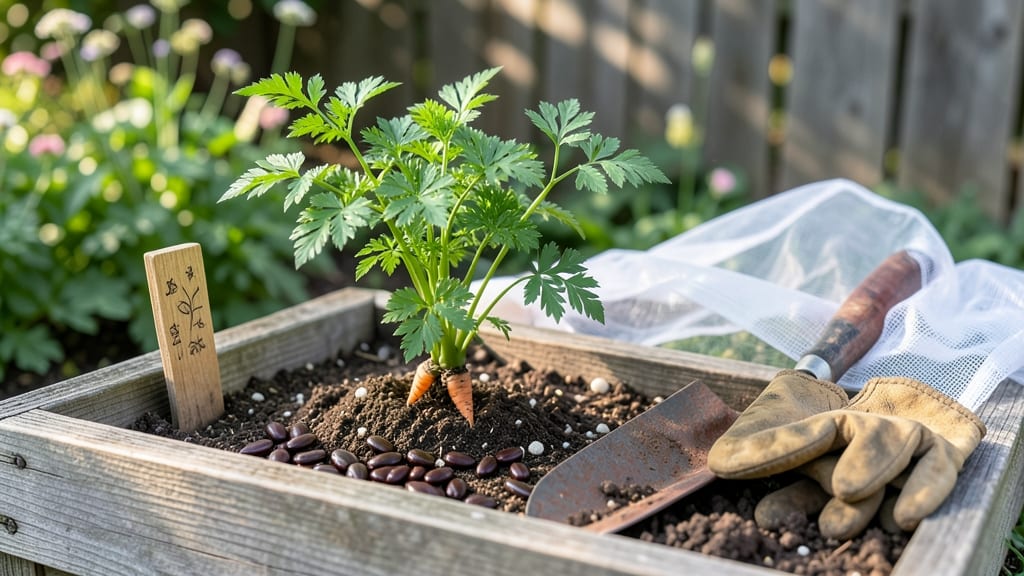
Timing your carrot planting in Connecticut can make the difference between a bountiful harvest and struggling with stunted roots or bolting. Connecticut’s 6a climate zone gives you two prime windows—spring and fall—but getting the exact weeks right is key to avoiding rocky soil frustrations and uneven growth.
Most gardeners in CT start planting 🥕 carrots as early as mid-April, right after the last frost date around April 15, but even experienced growers sometimes miss the mark.
Whether you’re a beginner or a seasoned gardener, knowing the ideal weeks to plant ensures you’ll enjoy crisp, sweet roots from June through November.
In this guide, I’ll break down the exact planting weeks for both spring and fall seasons, including how to adjust for Connecticut’s unpredictable weather. You’ll also discover the best carrot varieties for your local conditions and how to time your plantings for continuous harvests all season long.
Ready to grow perfect carrots? Let’s dive into the timing secrets that will transform your garden this year.
Best planting weeks for carrots in Connecticut’s climate zones
Connecticut’s USDA Zones 5-7 and variable climate mean timing is everything for growing crisp, straight carrots. Plant too early, and frost stunts growth; too late, and summer heat causes bolting.
My 10-year experience in CT gardens proves the best windows are mid-April to early July for spring and late July to mid-August for fall—aligned with soil warmth and daylight.
Spring planting starts when soil reaches 50°F (10°C), typically mid-April in most of CT. Use row covers if nights dip below 40°F (4°C) to protect tender seedlings. For fall, aim for 80 days before first frost (usually late July), ensuring roots mature before winter sets in.
Here’s the key: Succession planting every 2-3 weeks from April to July keeps your harvest fresh. For example, sow seeds on April 15, May 1, May 15, and June 1 for staggered maturity. This beats the rocky CT soil challenge by ensuring some carrots always reach harvest size.
🥕
Missed the spring window? Don’t panic—container gardening extends your season. Fill 12-inch-deep pots with loose, compost-rich soil and plant Nantes varieties in late June. These thrive in heat and produce sweet, tender roots by September.
Pro tip: Direct-sow seeds—carrots hate transplanting. Scatter them 1/4 inch deep, 2 inches apart as they grow. This spacing prevents forked roots, a common CT garden frustration caused by compacted soil.
For continuous harvests, pair spring and fall plantings with shade cloth in summer. This trick works in my Fairfield County garden, where July temps often hit 90°F (32°C). Carrots planted in partial shade stay crisp and avoid bitter flavors.
🌱
Remember: Soil prep is 50% of success. Work in 2 inches of compost and sand (if your soil is clay-heavy) before planting. This mimics the loose, sandy soils carrots love in their native Mediterranean climate. Test your soil’s pH (6.0–7.0 ideal)—CT’s acidic patches can stunt growth.
Lastly, mark your calendar for October 15, the average first frost date. This is your final call for fall plantings. If you’re in northern CT (Zone 5), push it to September 15 to avoid winter’s chill.
With these windows, you’ll enjoy homegrown carrots from June through November—no grocery store needed!
How to adjust planting dates for Connecticut’s frost and soil conditions
Connecticut’s rocky soil and unpredictable frost dates can turn even the best-laid carrot planting plans into a gamble. The average last frost date in CT is April 15, but some years, late frosts linger into early May—delaying your planting by weeks.
To avoid stunted growth or bolting, I’ve learned to adjust my planting schedule based on real-time conditions rather than relying solely on averages.
Start by monitoring your local frost forecasts through resources like the National Weather Service or apps like Old Farmer’s Almanac. If frost is predicted after your ideal planting window, consider using row covers or cold frames to protect young seedlings.
This flexibility ensures your carrots get the 60-80 days they need to mature before the first frost hits around October 15.
Another critical adjustment is prepping your soil texture. Connecticut’s clay-heavy soils can cause carrots to fork or split if not loosened properly. Before planting, mix in compost or aged manure to improve drainage.
For rocky areas, try container gardening with a deep, loose growing medium like coco coir and vermiculite blends. This prevents roots from circling or becoming misshapen.
⚠️ Warning: Avoid These Planting Mistakes in CT
Planting too early without frost protection can kill seedlings, while waiting too late risks bolting before harvest. Rocky soil left unamended will stunt root growth, and skipping soil tests can lead to nutrient deficiencies.
- Don’t plant before soil reaches 50°F—wait for consistent warmth.
- Don’t skip soil amendments in clay-heavy areas—carrots need loose soil.
- Do use succession planting every 2-3 weeks for continuous harvests.
For succession planting, I recommend sowing seeds every 2-3 weeks from mid-April through early July. This staggered approach ensures you’ll have fresh carrots ready to harvest from June through October.
In fall, aim for your last planting by mid-August—this gives roots time to mature before the first frost in mid-October.
If you’re growing carrots in containers, choose deep pots (at least 12 inches deep) to accommodate long roots. Place containers in a south-facing location to maximize sunlight exposure. Water consistently—containers dry out faster than in-ground beds—and mulch with straw to retain moisture and suppress weeds.
Finally, keep an eye on bolt-resistant varieties if you’re planting late in the season. Long daylight hours in summer can trigger bolting, but varieties like ‘Paris Market’ or ‘Little Finger’ are less prone to this issue.
With these adjustments, you’ll beat Connecticut’s challenges and enjoy a steady supply of homegrown carrots all season.