
Plants
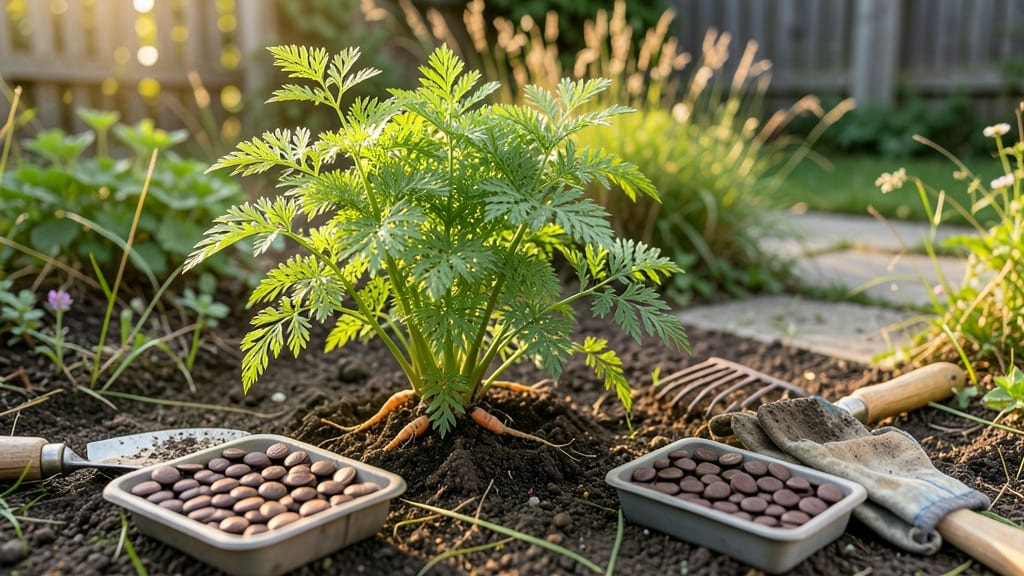
Timing your carrot planting in East Texas isn’t just about throwing seeds in the dirt—it’s the difference between sweet, crisp harvests and bitter disappointments. With our humid summers and mild winters, getting those 🥕 seeds in the ground at the right moment means avoiding bolting, pests, and stunted growth.
Most gardeners here swear by two ideal windows: late February through early March for spring harvests, and August through September for fall yields. But why? It all comes down to soil temperatures, frost dates, and how East Texas’s heat plays into carrot growth.
Get it wrong, and you’ll end up with leafy tops instead of tender roots—or worse, a carrot rust fly infestation.
I’ve spent years perfecting the schedule, and what works for Zone 8a might surprise you. Whether you’re a seasoned gardener or just starting, these timing secrets will help you grow carrots that are straight, sweet, and ready for harvest before the heat sets in.
Ready to unlock the best planting times? Let’s dive into the exact dates, soil prep tricks, and pest-prevention tips that’ll make your East Texas garden the envy of the neighborhood.
Best planting windows for carrots in East Texas (zones 7b-8a)
Timing your carrot planting in East Texas is all about avoiding the scorching summer heat and carrot rust flies that thrive in humidity. The ideal soil temperature for germination is between 55–85°F, which aligns perfectly with spring and fall planting windows.
East Texas gardeners have two prime opportunities: early spring (February–March) and late summer/fall (August–September). These windows let you grow crisp, straight carrots without the stress of extreme heat or pests. Let’s break down the best months for each season.
For spring planting, aim to sow seeds 6–8 weeks before the last frost (typically late February). This gives seedlings enough time to establish roots before the summer heat sets in. If you’re in Zone 8a, you can even start indoor seedlings in January for an earlier harvest.
In fall, focus on August–September plantings. The cooler temperatures reduce the risk of bolting (premature flowering), and the shorter days encourage sweeter roots. If you miss this window, a mid-September planting can yield winter carrots that store well in cool conditions.
Pro tip: Succession plant every 2–3 weeks in both seasons to ensure a continuous harvest. This works especially well in East Texas’ long growing season (avg. 195 frost-free days). Just avoid planting in June–July when temps often exceed 90°F, causing bolt-resistant varieties to struggle.
One more critical tip: Test your soil before planting. East Texas soils are often sandy or clay-heavy, which can lead to forked or stunted carrots. Amend with compost or aged manure to create a loose, fine-textured bed. Aim for a pH of 6.0–7.0 for optimal growth.
Finally, don’t overlook container growing if space is limited. Use deep pots (12+ inches) filled with well-draining potting mix. This method works surprisingly well in East Texas’ urban gardens and gives you control over soil quality.
With these timing strategies, you’ll be well on your way to growing sweet, straight carrots that outshine store-bought any day. Happy planting! 🥕
Best planting windows for carrots in East Texas (zones 7b-8a)
East Texas’s humid summers and mild winters create a tricky balance for growing carrots. The key is planting when soil temps stay between 55°F and 85°F—too hot, and your carrots bolt; too cold, and growth stalls.
Most successful gardeners here focus on two windows: late winter/early spring and late summer/fall.
For spring harvests, aim to sow seeds 6-8 weeks before your last frost date (around February 20–March 10). This gives roots time to mature before summer heat sets in.
Fall plantings should happen 8-10 weeks before your first frost (around August 1–September 15) to ensure a harvest before cold snaps arrive.
🌱 East Texas Carrot Planting Schedule
| Season | Planting Window | Soil Temp | Harvest Time |
|---|---|---|---|
| Spring | Late February–Early March | 55–75°F | May–June |
| Fall | August–September | 65–85°F | October–November |
| Winter (Cold-Hardy) | October–November | 40–60°F | January–February |
*Use row covers for winter plantings to protect from light frosts.
If you’re container gardening, start seeds indoors 4-6 weeks before your outdoor planting window. East Texas’s sandy soils often need amendment—mix in compost or aged manure to improve drainage and prevent forked roots. I’ve found that loose, stone-free soil is non-negotiable for straight carrots!
Pro tip: Succession plant every 2 weeks in spring/fall for a continuous harvest. This works especially well in East Texas’s long growing season, stretching your yield from March through November. Just be sure to thin seedlings to 2–3 inches apart to avoid competition.
Timing isn’t just about months—it’s about soil conditions. Use a soil thermometer to confirm temps before planting. If your soil is too cold, wait; if it’s too hot, shade the bed with row covers until temps drop. Patience here pays off with sweeter, straighter carrots.
Finally, don’t overlook pest timing. Carrot rust fly peaks in late spring, so protect your spring plantings with floating row covers or straw mulch. Fall plantings are safer from pests but need early harvests before winter sets in.