
Plants
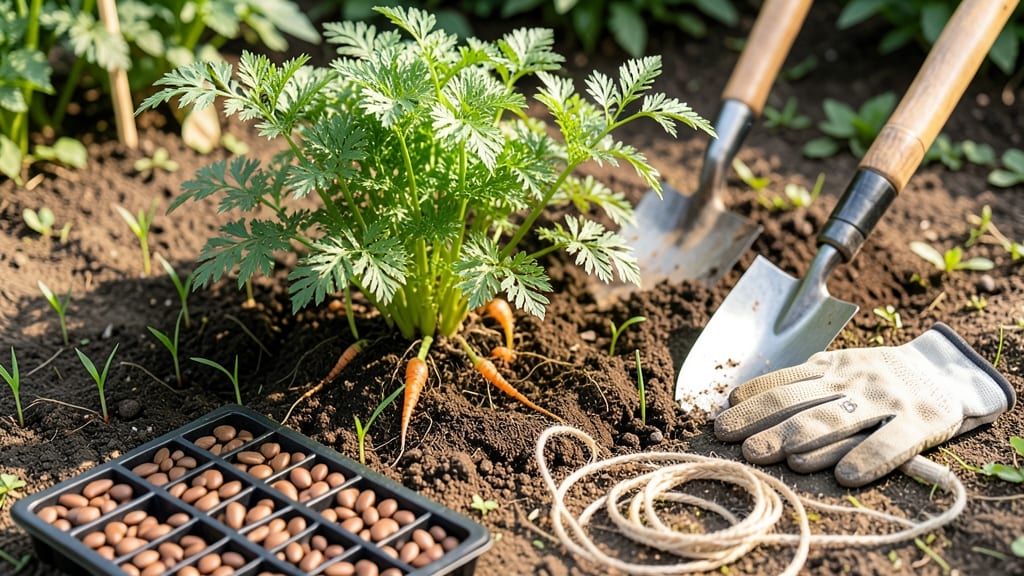
Timing your carrot planting in Idaho isn’t just about the calendar—it’s about beating the 4b-7b zone’s fickle frosts and rocky soil to grow those perfect, crisp 🥕 roots. Whether you’re in Boise’s urban gardens or the high-altitude valleys near Coeur d’Alene, planting too early risks bolted greens, while waiting too long means stunted harvests before winter sets in.
Most gardeners here swear by two windows: spring (March 15–April 30) and fall (August 15–September 30), but the real secret lies in soil temperature—wait until it hits 50°F for germination. That’s when your seeds stop playing hard to get and start sprouting reliably, even in Idaho’s unpredictable weather.
I’ve learned the hard way that companion planting with onions or leeks can save your crop from the relentless carrot rust fly, while succession planting every 3 weeks ensures a steady harvest from June through November.
Skip these steps, and you’ll end up with forking roots or a sudden pest invasion—neither of which makes for a satisfying dinner.
Ready to turn your Idaho garden into a carrot powerhouse? Let’s break down the exact months, soil prep tricks, and variety choices that’ll have you pulling sweet, straight roots all season long—no guesswork required.
Best planting months for carrots in Idaho’s climate zones
Timing your carrot planting in Idaho is critical—get it wrong, and you’ll battle bolting from heat or frost damage from late snaps. The Gem State’s diverse microclimates mean Boise’s last frost can differ by weeks from Coeur d’Alene’s high-altitude chill.
Aim for soil temperatures between 50°F and 85°F for ideal germination, which translates to two perfect windows: spring (March–April) and fall (August–September).
Idaho’s USDA Zones 4b–7b create nuanced planting zones. In Zone 5 (northern Idaho), wait until May 1 to avoid soil compaction from spring rains.
In Zone 7 (southern Idaho), you can start as early as March 15, but cover seedlings with frost cloth if nights dip below 40°F. Always check your local last frost date—Idaho’s ranges from April 15 (lowlands) to May 15 (mountains).
For a continuous harvest, stagger plantings every 2–3 weeks from March 15 to April 30. This ensures you’re not overwhelmed with a single massive harvest and spreads out your pest pressure.
Fall plantings should start by August 15 to mature before first frost (Sept 15–Oct 15). Late plantings risk small, woody roots before winter.
🌱
🥕 Idaho Carrot Planting Timeline by Zone
| Zone & Location | Spring Planting Window | Fall Planting Window | Soil Temp Threshold | Key Tip |
|---|---|---|---|---|
| Zone 4b (Coeur d’Alene, Sandpoint) | May 1–May 31 | August 1–August 15 | 50°F–65°F | Use black plastic mulch to warm soil faster. |
| Zone 5 (Moscow, Lewiston) | April 15–May 15 | August 15–September 1 | 55°F–70°F | Plant near onion sets to deter carrot flies. |
| Zone 6 (Boise, Twin Falls) | March 15–April 30 | August 15–September 15 | 60°F–75°F | Succession plant every 2 weeks for continuous harvest. |
| Zone 7 (Nampa, Burley) | March 1–April 15 | August 30–September 30 | 65°F–80°F | Use shade cloth in summer to prevent bolting. |
Idaho’s high desert climate means dry soil can delay germination. Before planting, amend beds with 2–3 inches of compost to improve moisture retention. In Zone 7, where summers hit 90°F+, prioritize shade-tolerant varieties like ‘Paris Market’ or ‘Danvers Half Long’ to avoid bolting.
For Zone 4b, focus on cold-hardy types like ‘Chantenay Red Core’ that tolerate light frosts.
Pro tip: Test your soil’s pH (6.0–7.0 ideal) before planting. Idaho’s alkaline soils can cause forked roots. Add sulfur or peat moss if needed. For raised beds, mix in sand to prevent rocky soil compaction, a common issue in Idaho’s loamy-clay mixes.
🌿
Don’t overlook succession planting—it’s your secret to year-round carrot harvests in Idaho. Start with early varieties (50–60 days to maturity) like ‘Early Nantes’ in
Best planting months for carrots in Idaho’s climate zones
Idaho’s 4b-7b USDA zones create a tricky balance for carrot growers—too early, and frost zaps your seedlings; too late, and summer heat sends them bolting.
The sweet spot is when soil temps hit 50°F, which typically lands in mid-March to late April for spring plantings and mid-August to late September for fall crops.
In Boise’s Zone 6b, I’ve found that planting March 20–April 15 gives roots time to mature before summer’s 90°F+ heat.
Meanwhile, Coeur d’Alene’s Zone 6a gardeners should wait until April 1–April 30 to avoid late frosts, while Twin Falls’ Zone 7b can start as early as March 15 thanks to its longer frost-free season.
For fall harvests, aim to plant 8–10 weeks before Idaho’s first frost (typically September 15–October 15). This ensures roots develop before winter sets in, giving you crisp storage carrots through December.
| Zone/Location | Spring Planting Window | Fall Planting Window | Soil Temp Threshold |
|---|---|---|---|
| Boise (Zone 6b) | March 20–April 15 | August 20–September 15 | 50–55°F |
| Coeur d’Alene (Zone 6a) | April 1–April 30 | August 15–September 10 | 50–55°F |
| Twin Falls (Zone 7b) | March 15–April 1 | September 1–September 30 | 50–55°F |
Pro tip: Use a soil thermometer to confirm readiness—seeds won’t germinate below 50°F, no matter what the calendar says. I’ve wasted entire seed packets waiting for "spring" that never arrived, only to find soil still chilly.
For high-altitude areas (like Ketchum in Zone 5), push planting back to April 15–May 1 to avoid late frosts. Similarly, low-desert regions (like Nampa) can start as early as February 28 if you use row covers for frost protection.
Remember: Succession planting every 2–3 weeks after your initial window ensures a steady harvest. I’ve stretched my carrot season from June to November this way, even in Idaho’s short growing season.