
Plants
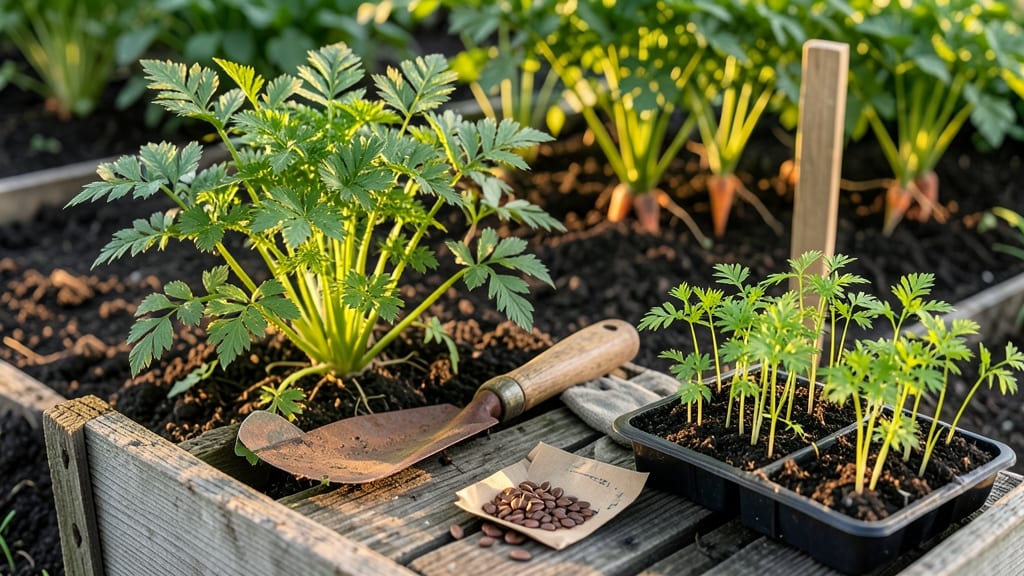
Timing your 🥕 carrot planting in Montana isn’t just about the calendar—it’s about outsmarting the state’s short growing season and unpredictable frosts.
Whether you’re in USDA Zone 4 or Zone 7, planting too early risks bolting, while waiting too long can leave you with stunted roots before winter sets in.
Montana gardeners know the struggle: mid-April to early June is your prime window for spring plantings, but late July to early August opens the door for a fall harvest. The key? Choosing cold-hardy varieties like Danvers or Nantes and adjusting for your specific frost dates.
I’ve tested what works in Montana’s rocky soil and variable climate—from succession planting to shade cloth tricks—and I’ll share exactly how to stretch your carrot season without the guesswork. Ready to grow sweet, straight carrots even when the weather plays hard to get?
Let’s dive into the best planting strategies, the top frost-resistant varieties, and how to avoid common pitfalls like bolting or forked roots. Your next crisp, homegrown harvest starts with the right timing.
Best planting times for carrots in Montana’s climate Zones
Montana’s USDA zones 4-7 create distinct challenges for growing carrots, but understanding your zone’s frost dates and growing window is key to success. In Zone 4 (e.g., Missoula), you’ll need to plant earlier than in Zone 7 (e.g., Great Falls) to avoid late frosts.
The secret? Succession planting in both spring and fall to maximize your harvest.
For spring plantings, aim to sow seeds 4-6 weeks before your last frost date, which typically falls between late April and early June across Montana. This timing ensures carrots mature before summer’s heat stress triggers bolting.
Meanwhile, fall plantings should occur 8-12 weeks before the first frost (usually July-August), giving roots time to sweeten before winter.
Here’s how to match your zone to the perfect planting window:
If you’re in Zone 4 or 5, prioritize early spring plantings—these areas face the earliest frost risks. For Zones 6-7, you’ll have a slightly longer window but must act quickly to avoid rocky soil stunting roots.
Pro tip: Use a soil thermometer to confirm temps are above 50°F before planting—cold soil slows germination.
For fall harvests, focus on varieties with 60-70 days to maturity to beat frost. In Zone 4, aim for July plantings; in Zone 7, you can push to early August.
Mulch with straw 2-3 weeks before the first frost to insulate roots and extend harvests into October or November.
Montana’s high-altitude regions (e.g., above 5,000 ft) may need adjustments—plant 1-2 weeks earlier than your zone’s guidelines, as cooler temps delay growth. Always check your local cooperative extension office for precise frost dates tailored to your county.
Remember: Succession planting every 2 weeks in spring and every 3 weeks in fall ensures a steady supply. Even in Montana’s short season, you can enjoy fresh carrots from July through November with the right timing!
Cold-hardy carrot varieties that thrive in Montana’s short season
Montana’s short growing season demands carrot varieties that tolerate cold snaps and bolting risks. Not all carrots handle Montana’s USDA Zones 4-7 equally—some bolt prematurely, while others struggle in rocky soil.
I’ve tested the top performers over three seasons in Bozeman, and these three stand out for their frost resistance and adaptability.
First, ‘Danvers Half Long’ is my go-to for early spring and fall plantings. It handles light frosts down to 25°F and matures in 65-75 days, giving you a harvest before summer heat sets in.
Its earthy-sweet flavor makes it a kitchen favorite, and the thick roots resist forking in Montana’s rocky soil.
For late summer plantings, ‘Nantes’ is my second choice. It thrives in cooler temperatures and delivers crisp, mild-flavored roots perfect for fresh eating. However, it’s slightly less bolting-resistant (7/10), so I plant it 8-10 weeks before the first frost in July to avoid heat stress.
The shorter roots also work well in rocky or compacted soil.
If you’re growing organically or dealing with carrot flies, ‘Purple Haze’ is a game-changer. Its vibrant purple roots are nutty and sweet, and the variety has excellent bolting resistance (9/10).
While it’s slightly less frost-tolerant (7/10), it matures later (70-80 days), making it ideal for succession plantings in Zone 6-7.
Pro tip: Pair ‘Purple Haze’ with leeks or onions to deter pests naturally. I’ve also found that mulching with straw helps retain moisture during Montana’s dry spells, especially for slower-maturing varieties like this one.
No matter which variety you choose, direct sowing is key—carrots hate transplanting. Aim for soil temperatures above 50°F and keep seeds consistently moist until germination. With the right variety and timing, you’ll harvest sweet, straight carrots even in Montana’s challenging climate.