
Plants
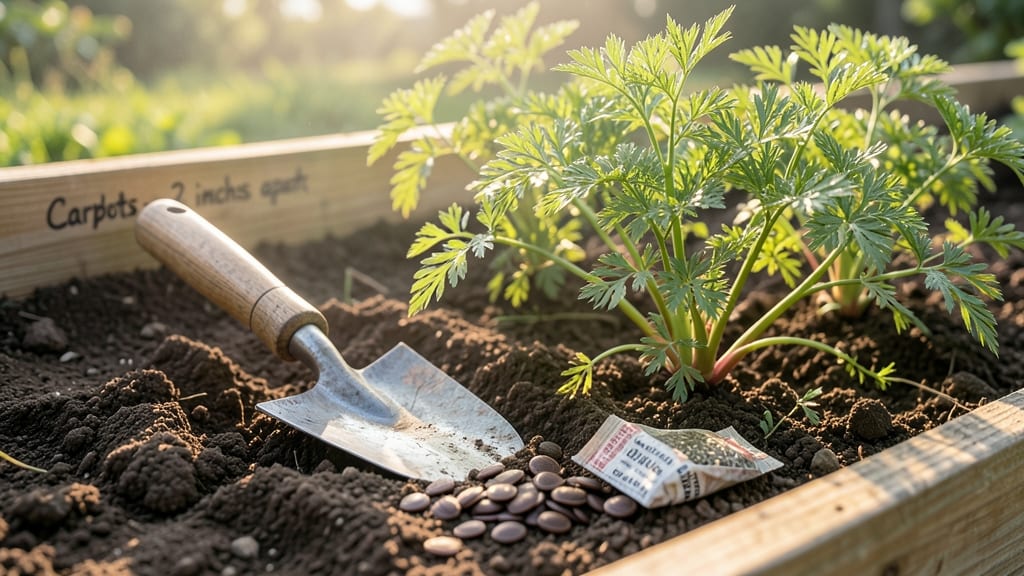
Timing your 🥕 carrot planting just right in Northern California is the secret to harvesting those sweet, crisp roots you dream about—not the tough, bitter ones that turn your garden into a disappointment.
The difference between success and failure often comes down to knowing when to pop those seeds in the ground, especially when coastal fog clashes with inland heat.
With USDA zones 8a-9b offering two prime windows—spring and fall—you’ve got more chances than most regions, but getting the timing wrong can mean bolting carrots or stunted growth.
Whether you’re in the foggy Bay Area or the warmer Sacramento Valley, the ideal planting months shift based on microclimates, soil temps, and frost dates.
I’ll break down exactly when to plant for your specific corner of Northern California, from coastal delays to inland heatwaves, so you can avoid common pitfalls like premature sprouting or pest pressure. Plus, I’ll share pro tips to extend your growing season and pick the best varieties for your zone.
Ready to turn your garden into a carrot goldmine? Let’s get those seeds in the ground at the perfect moment—no guesswork, just crisp, homegrown success.
Northern California carrot planting calendar by microclimate Zone
Northern California’s microclimates create unique challenges for carrot growers. Coastal areas like San Francisco and Monterey experience cooler temperatures and persistent fog, while inland regions such as the Sacramento Valley face hotter summers and drier conditions.
Understanding these differences is key to planting at the right time for sweet, crisp carrots instead of bitter, woody roots.
To simplify, I’ve broken down the best planting windows by region, including soil temperature requirements and frost-free dates. Carrots thrive when soil temperatures are between 55°F and 85°F, but germination slows below 50°F.
In Northern California, this means timing is everything—especially for coastal fog belts and inland valleys.
Soil temperature is your best friend when planning. Use a soil thermometer to confirm readiness—carrot seeds won’t sprout reliably in cold soil. For example, in USDA Zone 9b (common in Sacramento), you can start as early as late February, while Zone 8a (cooler coastal areas) may need to wait until mid-March.
Below is a microclimate-specific planting calendar to help you align your schedule with Northern California’s frost dates and seasonal shifts. Each region has its own ideal window for spring and fall planting, so bookmark this for your garden planner!
| Region | Spring Planting Window | Fall Planting Window | Last Frost Date | First Frost Date | Soil Temp for Germination |
|---|---|---|---|---|---|
| Coastal (San Francisco, Monterey) | Mid-March to early April | Late July to early August | February 28 - March 15 | November 1 - November 15 | 55°F - 60°F |
| Bay Area (Oakland, Berkeley) | Late February to early March | Late July to mid-August | February 15 - March 1 | November 15 - December 1 | 50°F - 55°F |
| Sacramento Valley (Sacramento, Davis) | Late February to early April | Late July to early September | February 1 - February 15 | November 15 - December 1 | 60°F - 65°F |
| Sierra Foothills (Chico, Redding) | Early April to mid-April | Mid-August to early September | March 1 - March 15 | October 31 - November 15 | 55°F - 60°F |
For coastal regions, aim to plant 6-8 weeks before the last frost date to ensure carrots mature before summer heat sets in.
In inland valleys, you can push planting slightly later due to warmer soil temperatures, but avoid planting too close to summer solstice (June 21), as carrots bolt and develop bitter flavors in high heat.
Fall planting is equally critical. In cooler coastal areas, you can extend the season until early August, while inland regions may need to start by late July to avoid early frosts. Use row covers or cold frames to protect tender seedlings if temperatures dip unexpectedly.
Pro tip: If you’re unsure about your local frost dates, check the USDA Plant Hardiness Zone Map and cross-reference with local weather stations. For example, San Francisco’s fog can delay soil warming by weeks compared to Sacramento’s dry heat.
Adjust your planting schedule accordingly to avoid woody, misshapen carrots.
Remember, carrots are cool-season crops, so they thrive in mild temperatures. If you plant too early and face frost, use row covers or wait until soil warms. Conversely, planting too late in summer risks bolting
How to adjust carrot planting for Northern California’s unpredictable weather
Northern California’s weather can throw even the most experienced gardeners for a loop—one day it’s coastal fog chilling your soil, the next it’s a heatwave that turns your carrots bitter.
The key to success? Flexibility. I’ve learned to adjust planting times and use tools like row covers and mulch to protect my crops from Mother Nature’s mood swings.
For example, in coastal areas like San Francisco, wait until soil temps hit 50°F (10°C)—usually late March—before planting spring carrots. Inland areas like Sacramento can start 2-3 weeks earlier because the soil warms faster.
Always check the 7-day forecast before planting; if frost is predicted, delay until after the last 32°F (0°C) night.
Here’s my go-to trick for extending the season: use floating row covers to protect seedlings from late frosts or early heat. These lightweight fabrics let sunlight through while shielding plants from temperature extremes.
I’ve even planted carrots in early February under covers in sheltered spots—just remove them once true leaves appear to harden the plants.
🌡️ Warning: Heatwaves and Bolting
Carrots bolt (flower prematurely) when stressed by heat over 85°F (29°C) or drought. If your plants start sending up flower stalks, harvest immediately—the roots become woody and tough. In inland areas, opt for shade cloth or plant in late summer (August) for fall harvests to avoid summer heat.
Another game-changer? Mulching with straw or wood chips keeps soil temps stable and retains moisture. I’ve seen carrots thrive in 100°F (38°C) heat when mulched properly—something that would otherwise fry them. Just avoid piling mulch directly against stems to prevent rot.
For fall planting, aim for late July to early August so carrots mature before the first frost. In coastal areas, you might squeeze in a second planting in mid-September, but use cold-hardy varieties like ‘Danvers’ or ‘Nantes’ to handle cooler temps.
Always test soil moisture—dry soil stresses carrots more than cold.
Finally, watch for pest pressure during unpredictable weather. Carrot rust flies and aphids thrive in warm, damp springs, while deer and rabbits target stressed plants. I rotate planting locations yearly and use diatomaceous earth as a preventative measure.
With these adjustments, you’ll beat Northern California’s weather and enjoy crisp, sweet carrots all season long.