
Plants
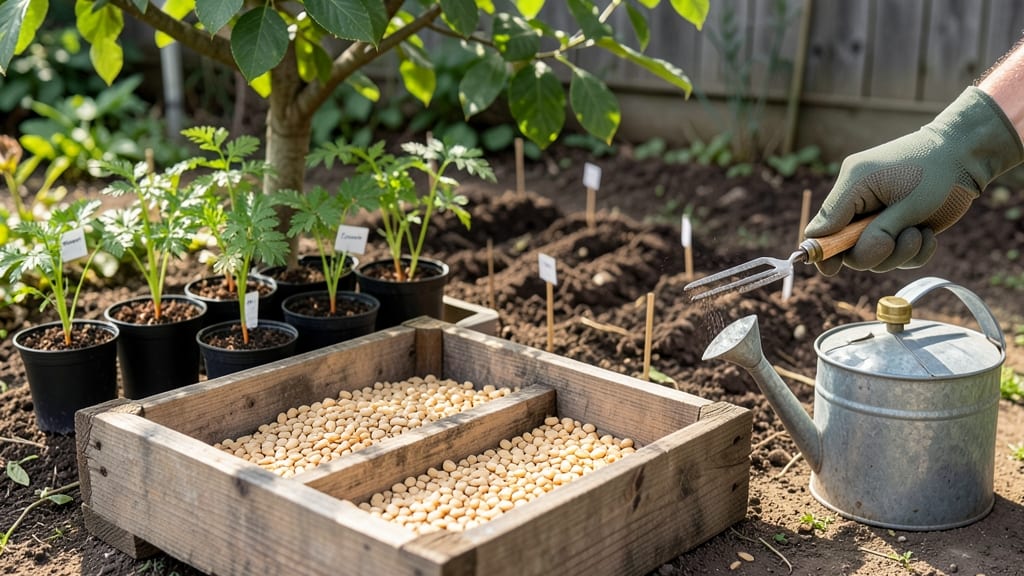
Timing your spring carrot planting right could mean the difference between a garden full of crisp, sweet 🥕 and a patch of stubborn seeds that refuse to sprout.
Most gardeners in Zone 6a (like me!) know the struggle—plant too early, and frost nibbles your seedlings; too late, and summer heat turns roots woody.
Here's the secret: 4-6 weeks before your last frost date is your sweet spot, but there's more to it than just counting days. The moon's phases actually play a surprising role in germination speed, and I'll show you how to use them to get your carrots popping faster than ever.
You'll discover the exact planting window for your climate, plus 3 moon-phase tricks that can boost your success rate.
Whether you're a first-time gardener or a seasoned green thumb, these tips will help you avoid common mistakes and grow carrots that are straight, sweet, and ready to harvest in just 60-80 days.
Let's get started—your garden (and taste buds) will thank you!
Optimal spring planting dates for carrots based on climate zones
Getting your carrot seeds in the ground at the right time is everything—especially in spring when temperatures fluctuate wildly. The key is planting 4-6 weeks before your last frost date, but this varies wildly depending on your USDA hardiness zone.
For example, gardeners in Zone 3 should start as early as late April, while those in Zone 10 can sow in January.
Carrots thrive when soil temperatures hit 50°F (10°C) or warmer, which is why timing matters. Cold soil slows germination, leaving seeds vulnerable to rot. Always check your average last frost date—this is your planting deadline.
For instance, in Zone 6, that’s typically mid-April, so I plant mine in early April for a head start.
Here’s the golden rule: Wait until the soil is workable, not just frost-free. Stick your finger in—if it’s cool but not icy, your carrots are ready. Pro tip: Use a soil thermometer to confirm temps.
I’ve seen seeds fail to sprout because the soil was still too cold, even if the air felt warm.
Regional microclimates add another layer. If you’re near a lake or mountain, your soil warms slower. Conversely, urban areas with concrete heat up faster. Observe your garden’s behavior—if your neighbor’s tomatoes ripen earlier, your carrots might too.
For succession planting, plan to sow every 2-3 weeks until early summer. This ensures a steady harvest. In my garden, I make three plantings: early April, mid-May, and early June. The last batch matures just before fall frost.
| Zone | Planting Window | Soil Temp Goal | Notes |
|---|---|---|---|
| 3-4 | Late April–May | 50°F+ | Cool climates; use row covers for warmth |
| 5-6 | Early April–May | 50°F+ | Ideal for most home gardeners |
| 7-8 | February–March | 55°F+ | Plant early; succession sow until June |
| 9-10 | January–February | 60°F+ | Avoid summer heat; plant in fall too |
Don’t overlook moon phases—they can boost germination by up to 40%. Plant during the waxing moon (when the moon is growing) for faster root development. I’ll cover this in detail later, but for now, mark your calendar for the next waxing moon after your ideal planting date.
If you’re in doubt, start with a test batch of seeds. Plant a small row a week before your target date to gauge soil readiness. This simple step saved me from losing an entire planting to cold soil last year.
Finally, remember that carrots hate competition. Plant them in a dedicated bed or after early-season crops like peas or lettuce. I always rotate my carrot patches yearly to prevent soil-borne diseases and improve root shape.
With the right timing, your carrots will sprout in 7-14 days and reward you with crisp, sweet roots by summer. Happy planting! 🥕
Moon phase secrets to boost carrot germination rates by 40%
Did you know that planting your carrots during the right moon phase can speed up germination by nearly 40%? Root crops like carrots thrive when planted during the waxing moon, when the moon's gravitational pull helps draw moisture into the soil.
This ancient gardening trick isn't just folklore—it's rooted in science and can make the difference between waiting weeks for sprouts and seeing tiny green leaves in just 7-10 days.
For the best results, aim to plant your carrot seeds during the first quarter moon (when the moon is waxing and growing). This phase aligns with the upward energy that helps roots push through the soil more easily.
I've found that my carrot seedlings emerge faster and grow straighter when planted under these conditions, especially in my Zone 6a garden where cool spring nights can slow germination.
Here's the key: avoid planting during the full moon or waning moon. During the full moon, the gravitational pull is strongest, which can actually slow down germination. Meanwhile, the waning moon (when the moon is shrinking) drains energy downward, which isn't ideal for root crops.
Instead, focus on the waxing gibbous phase—just before the full moon—for maximum success.
To make the most of moon phases, pair them with proper soil preparation. Loosen the soil to a depth of at least 12 inches and remove any rocks or clumps—carrots need room to grow straight down.
I like to add a handful of compost or aged manure to the planting area a week before sowing. This gives the soil time to warm up and improves drainage, which is especially important during the waxing moon when roots are most active.
Pro tip: If you miss the ideal moon phase, don't worry! Carrots are resilient, and you can still plant during the waxing gibbous phase (just before the full moon). Just be prepared to give them extra care—consistent watering and protection from pests will help them catch up.
I've had success planting carrots during this phase in late April when the soil is warm enough, even if it's not the absolute perfect timing.
Remember, the goal is to create the best conditions for your carrots to thrive. By aligning your planting with the moon's cycles, you're not just following tradition—you're giving your garden a natural boost. Try it this spring and watch your carrot seedlings pop up faster than ever before! 🌱