
Plants
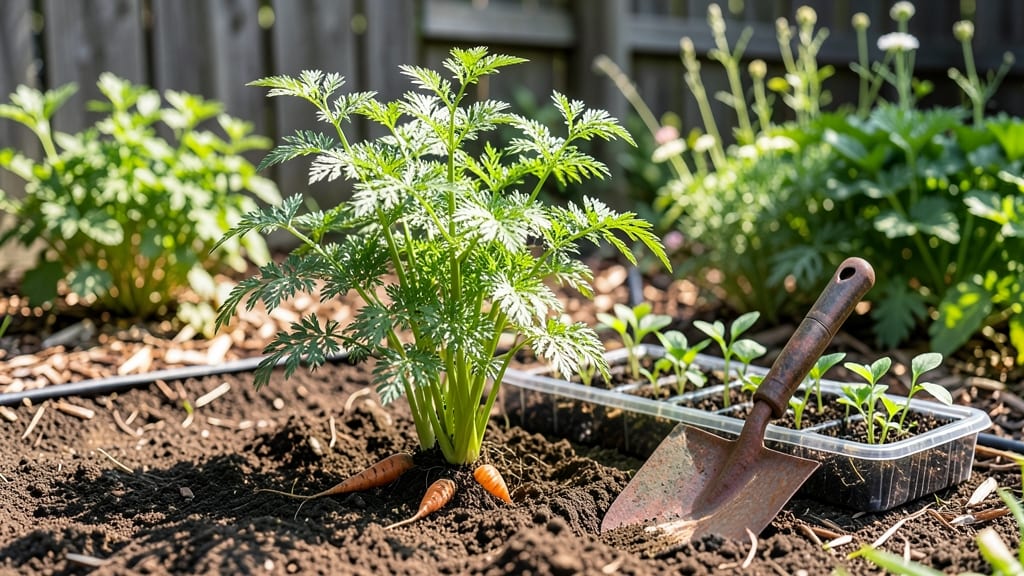
Timing your 🥕 carrot planting in Zone 6a isn’t just about throwing seeds in the ground—it’s the difference between harvesting sweet, crisp roots and ending up with bitter, woody failures.
With first frost creeping in by mid-October, you’ve got a narrow window to get it right, and missing it by even a few weeks can ruin your whole crop.
Most gardeners in Zone 6a focus on spring planting, but fall can actually be your secret weapon for a second harvest. The key is starting seeds 8-10 weeks before your first frost, typically in late summer, to give them enough time to mature before cold sets in.
But here’s the catch: soil temperature matters just as much as calendar dates.
I’ve learned the hard way that planting too early in cold soil leads to slow germination and stunted growth, while waiting too long risks running out of time before frost.
The solution? Test your soil and plan for two planting windows: early spring (as soon as it’s workable) and late summer for that fall bounty.
In this guide, I’ll break down the exact weeks before frost you need to plant, how to prep your soil for success, and even how to stretch your harvest with smart spacing. Let’s make sure your carrots grow up crisp and sweet—not tough and disappointing.
Zone 6A carrot planting schedule: exact weeks before frost for success
Getting your carrot planting timed right in Zone 6A means avoiding the dreaded woody, bitter roots that ruin harvests. The key? Planting at the perfect weeks before frost—whether you're aiming for spring or fall crops.
In Zone 6A, your last frost date typically lands around April 15, while the first frost usually arrives October 15. These dates create your planting windows, but soil temperature and variety choices also play critical roles.
For spring carrots, you’ll want to start seeds as soon as the soil reaches 50°F (10°C), which in Zone 6A usually means late February to early March. This gives your carrots 80-90 days to mature before summer heat sets in.
Meanwhile, fall planting should begin 8-10 weeks before your first frost, so aim for late July to early August. Fall carrots often taste sweeter because of cooler temperatures, but they need protection from early frosts.
Here’s the breakdown of your Zone 6A carrot planting schedule, including soil prep tips and variety recommendations to maximize your harvest:
| Planting Window | Soil Temp | Best Varieties | Days to Maturity | Notes |
|---|---|---|---|---|
| Late February - Early March | 50°F+ (10°C+) | 'Danvers Half Long', 'Nantes' | 70-80 days | Start indoors 6-8 weeks before last frost. |
| Mid-March - April | 55°F+ (13°C+) | 'Paris Market', 'Rainbow' | 60-70 days | Direct sow after soil warms; thin seedlings. |
| Late July - Early August | 60°F+ (16°C+) | 'Chantenay', 'Purple Haze' | 75-85 days | Plant 8-10 weeks before first frost; use row covers. |
| Early September | 55°F+ (13°C+) | 'Little Finger', 'Solar Yellow' | 50-60 days | Fast-maturing types for late harvests. |
When planning your carrot schedule, remember that soil temperature is just as critical as air temperature. Carrot seeds won’t germinate well in cold soil, so always check with a soil thermometer.
For spring planting, aim for 50°F (10°C) or warmer, while fall planting benefits from slightly warmer soil—60°F (16°C) or above—to encourage faster germination before cooler nights arrive.
Another pro tip: Succession planting every 2-3 weeks in spring and 3-4 weeks in fall ensures a continuous harvest. This works especially well in Zone 6A, where summer heat can stall growth.
By staggering plantings, you’ll always have fresh carrots ready to pull from the garden. Just be sure to thin seedlings to 2-3 inches apart to prevent competition and forked roots.
For fall carrots, focus on varieties that mature quickly, like 'Little Finger' or 'Solar Yellow', which can be harvested in 50-60 days. These are perfect for late-season plantings in Zone 6A, where early frosts can cut the growing season short.
If you’re planting in August, use row covers or a cold frame to extend the season and protect tender seedlings from light frosts.
One common mistake in Zone 6A is planting too late in spring or too early in fall. If you miss the ideal window, your carrots may bolt (go to seed) or develop woody textures due to heat stress.
To avoid this, always monitor your local frost dates and adjust planting times accordingly. For example, if your area tends to have earlier frosts, shift your fall planting to late July instead of August.
Finally, don’t overlook soil preparation. Carrots need loose, well-draining soil with a fine texture to prevent forking. Work in compost or aged manure before planting, and avoid heavy soils that can cause misshapen roots.
With the right timing and soil prep, you’ll be pulling crisp, sweet carrots straight from your Zone 6A garden all season long!
How to extend carrot harvests in Zone 6A: succession planting & fall strategies
In Zone 6A, where the growing season stretches from April 15 to October 15, you can enjoy continuous carrot harvests by using succession planting and smart fall strategies.
Unlike single-season crops, carrots thrive when sown in staggered batches, ensuring fresh roots from late summer to early winter.
Start your first planting as soon as the soil reaches 50°F (10°C), typically in early March. Then, sow new batches every 3-4 weeks until mid-July. This method prevents overcrowding and guarantees a steady supply of crisp, tender carrots throughout the season.
For fall harvests, focus on planting 8-10 weeks before the first frost (around mid-August). Choose cold-hardy varieties like 'Danvers Half Long' or 'Chantenay', which tolerate light frosts and sweeten after exposure to cool temperatures.
To protect your late-season carrots from early frosts, use frost blankets or low tunnels. These simple tools can raise soil temperatures by 5-10°F, giving roots extra time to mature. Avoid heavy mulching too early, as it can overheat soil and cause bolting (premature flowering).
For continuous harvests, mix fast-maturing varieties (like 'Paris Market', ready in 50 days) with longer-season types (like 'Nantes', ready in 70 days). This ensures you always have some carrots ready to pull while others are still growing.
Finally, always harvest before hard frosts—even cold-hardy varieties become woody and pithy if left in the ground too long. Store freshly pulled carrots in sandy soil or damp sawdust in a cool, dark place to keep them crisp for weeks.