
Plants
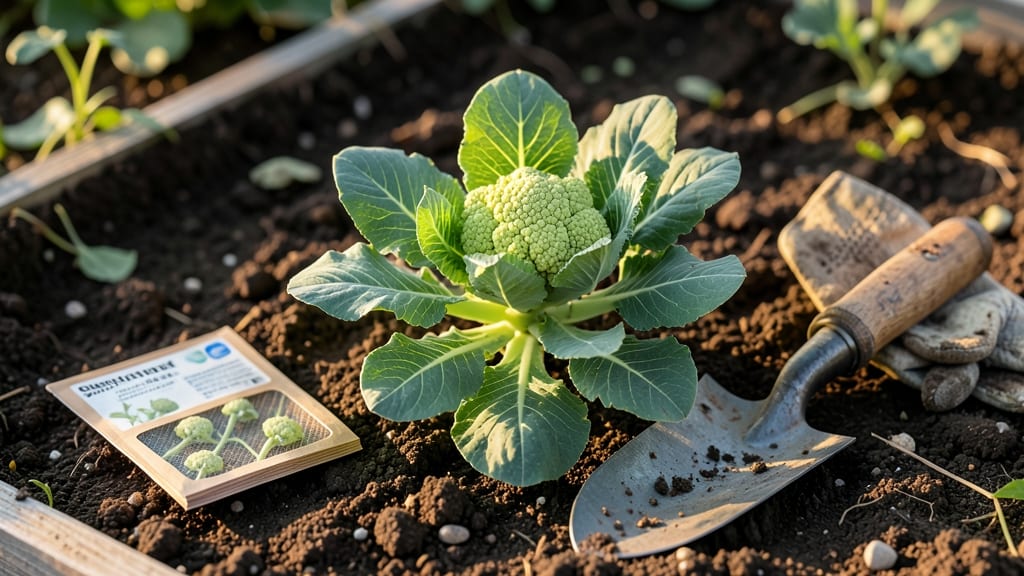
Timing your cauliflower 🥬 planting in Georgia isn't just about the calendar—it's about outsmarting the state's unpredictable frosts and scorching summers. Plant too early, and you'll risk bolting heads before harvest. Too late, and your crop might never mature in the heat.
With Georgia's 7b-8b climate, finding that sweet spot between late February and early August can mean the difference between a bountiful harvest and wasted effort.
Most gardeners in the Peach State focus on two key windows: spring (for May-June harvests) and fall (for October-November yields). But here's the catch—your exact timing depends on whether you're in the cooler Piedmont region or the warmer Coastal Plain.
Atlanta's last frost typically arrives around March 15, while Savannah's coastal microclimate gives you an extra 2-3 weeks of growing season. That small difference could mean the difference between success and failure.
What makes cauliflower planting in Georgia particularly tricky is the plant's sensitivity to heat. While most varieties need 60-100 days to mature, Georgia's summer temperatures can push them into bolting mode before they form heads. The solution?
Choose heat-tolerant varieties and time your fall plantings for late July—just as summer's worst heat begins to break. I'll show you exactly which varieties thrive in each season and how to stretch your growing window with simple techniques.
Ready to grow perfect cauliflower heads that actually reach harvest size? Let's break down the exact frost-free windows, soil prep secrets, and variety recommendations that work for Georgia's unique growing conditions—so you can enjoy homegrown 🥬 from spring through fall without the guesswork.
Georgia cauliflower planting calendar: frost-free windows by variety
Cauliflower thrives in Georgia’s cool-season windows, but timing is everything. Plant too early, and you’ll face spring heat stress that causes bolting. Plant too late, and fall frosts will ruin your harvest. The key? Match your variety to Georgia’s USDA Zones 7b-8a and regional frost dates.
Most Georgia gardeners focus on two planting windows: late winter for spring harvests and late summer for fall crops. However, heat-tolerant varieties like ‘Cheddar’ or ‘Purple of Sicily’ can stretch your growing season. Let’s break down the exact planting dates by region and variety.
⚠️ NON-NEGOTIABLE: Always check your local last frost date—Atlanta’s average is March 15, while Savannah’s is March 5. Use these as your countdown triggers for transplanting.
| Variety | Spring Planting Window | Fall Planting Window | Days to Maturity | Notes for Georgia |
|---|---|---|---|---|
| Snowball Y Improved | Start seeds indoors Feb 1-15 | Transplant July 20-Aug 5 | 70-80 days | Classic white variety; needs shade cloth in summer |
| Purple of Sicily | Direct sow Feb 20-March 10 | Direct sow Aug 10-25 | 65-75 days | Heat-tolerant; great for fall harvests |
| Cheddar | Transplant March 1-15 | Transplant Aug 1-15 | 60-70 days | Orange hybrid; bolting-resistant in heat |
| Graffiti | Start seeds Jan 20-Feb 10 | Transplant July 10-20 | 55-65 days | Compact; ideal for small spaces |
For spring planting, aim to transplant 4-6 weeks before your last frost date. In Atlanta, this means mid-February to early March, while Savannah gardeners should plant late January to February. Use black plastic mulch to warm the soil faster and prevent bolting.
Fall planting is trickier due to Georgia’s humid heat. Start seeds indoors 6-8 weeks before your target transplant date (late July for most regions). Harden off seedlings for 10-14 days before moving them outdoors to avoid transplant shock.
Pro tip: In Zone 8a areas like Augusta, you can squeeze in a second fall crop by planting heat-tolerant varieties like ‘Cheddar’ in mid-August. Just be prepared to use row covers if early frosts threaten.
Always monitor your local extended weather forecasts. A late frost in March or an early one in November can wipe out your crop. Keep a planting journal to track what works best in your microclimate.
Ready to plant? Grab your calendars and mark these dates now—your cauliflower harvest depends on it! 🌱
Georgia cauliflower planting calendar: frost-free windows by variety
Georgia’s cauliflower 🥬 growing season hinges on two critical windows: spring (for May-June harvests) and fall (for October-November yields). The key is planting 4-6 weeks before your last frost date—typically March 15 in Atlanta but March 1 in Savannah’s warmer coastal zone.
Miss this window, and you risk bolting or stunted growth from summer heat.
For spring plantings, start seeds indoors 6-8 weeks before transplanting (around January 15 for Atlanta). Heat-tolerant varieties like 'Cheddar' or 'Graffiti' handle Georgia’s summer better than traditional types. Fall plantings should begin late July for a November harvest before first frost.
Here’s your region-specific planting timeline to avoid common mistakes like premature bolting or frost damage:
| Region | Last Frost Date | Spring Planting Window | Fall Planting Window | Heat-Tolerant Variety |
|---|---|---|---|---|
| Atlanta (Piedmont) | March 15 | Feb 20 - Mar 5 | Jul 25 - Aug 10 | 'Graffiti' (purple) |
| Savannah (Coastal Plain) | March 1 | Feb 1 - Feb 25 | Jul 15 - Jul 30 | 'Cheddar' (orange) |
| Augusta (Central GA) | March 10 | Feb 15 - Mar 1 | Jul 20 - Aug 5 | 'Snowball Y Improved' |
Notice how Savannah’s coastal microclimate shifts planting dates 2-3 weeks earlier than Atlanta? This is why local frost data matters—even within Georgia. For fall crops, aim to transplant seedlings when soil temps drop below 85°F to prevent bolting.
Pro tip: Use shade cloth during summer heat waves to protect young plants. I’ve seen 30% shade cloth extend the fall window by 2-3 weeks in Augusta’s heat. Pair this with drip irrigation to maintain consistent moisture—cauliflower heads need 1-2 inches of water weekly during formation.
For spring harvests, prioritize varieties with 60-70 day maturity (e.g., 'Purple of Sicily'). Fall plantings should use 75-100 day varieties like 'Romanesco' to avoid frost. Always check your USDA Zone 7b-8a frost dates—Georgia’s unpredictable weather can shift these windows by 1-2 weeks annually.