
Plants
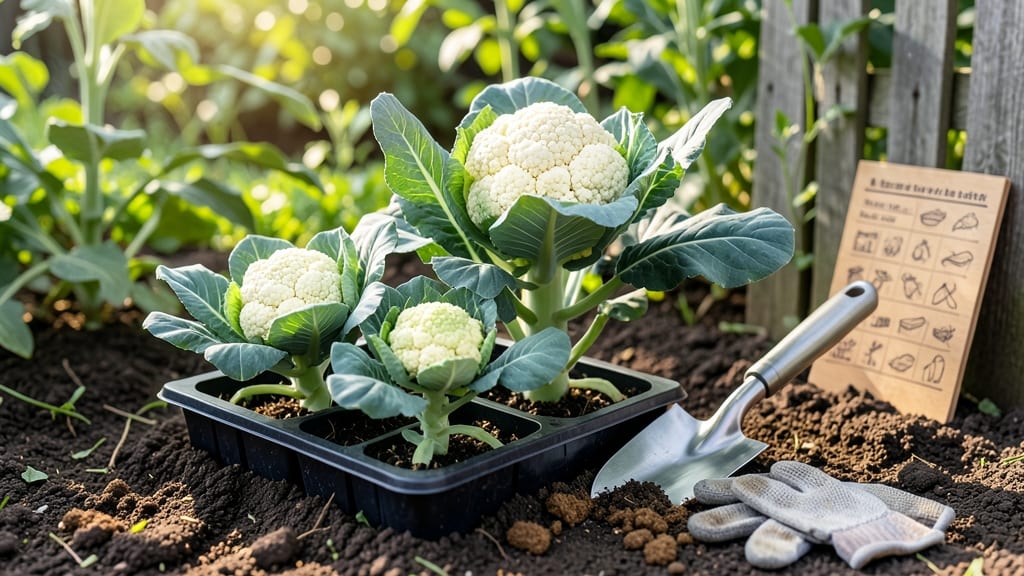
Timing your cauliflower 🥬 planting in Ohio isn’t just about the calendar—it’s about outsmarting the state’s infamous late frosts and microclimates that can turn your crop into a sad, bolted mess.
Whether you’re in frost-prone Appalachian valleys or the warmer Lake Erie shoreline, planting too early or too late means the difference between a harvest-worthy head and a sad, yellowing disappointment.
I’ve grown cauliflower in Ohio’s Zone 6a for years, and let me tell you—getting the timing right is the key to success.
The ideal window isn’t just March 15 to April 15 for spring or August 1 to September 1 for fall; it’s about adjusting for your specific corner of the state. Too soon, and a late frost will nip your seedlings.
Too late, and your plants will stretch and bolt before forming a proper head.
In this guide, I’ll break down the exact weeks to plant cauliflower based on Ohio’s five distinct microclimate zones, so you can avoid common mistakes and maximize your harvest.
You’ll learn whether to start seeds indoors or sow directly, how to handle Ohio’s unpredictable weather, and which varieties thrive in your specific area.
Ready to stop guessing and start growing? Let’s dive into the science—and the secrets—of planting cauliflower 🥬 like a pro in Ohio’s short season.
Ohio’s best cauliflower planting weeks by microclimate zone
Ohio’s diverse geography means your cauliflower planting schedule should vary dramatically between regions. The Northwest (like Toledo) enjoys warmer springs earlier, while Appalachian valleys (like Athens) often face late frosts until mid-May. Even Lake Erie shorelines create microclimates where you can plant 2-3 weeks earlier than inland areas.
For consistent success, I recommend using USDA Zone 6a as your baseline but adjusting by 1-3 weeks based on elevation and proximity to large water bodies. The last frost date isn’t just April 15—it’s a moving target that shifts 10-14 days depending on your county.
Here’s how to pinpoint your exact planting window using Ohio’s 5 key microclimate zones, including soil temperature thresholds and transplanting deadlines:
| Zone | Spring Planting Window | Fall Planting Window | Soil Temp Threshold | Key Adjustment |
|---|---|---|---|---|
| Northwest (Toledo, Lima) | March 20 - April 5 | August 10 - 25 | 45°F minimum | Plant 1 week earlier near Lake Erie |
| Southeast (Cincinnati, Columbus) | April 1 - 15 | August 15 - September 1 | 50°F minimum | Use row covers for late frosts |
| Appalachian (Athens, Zanesville) | April 15 - May 1 | August 20 - September 10 | 55°F minimum | Wait for soil to warm above 55°F |
| Lake Erie Shoreline (Cleveland, Sandusky) | March 15 - March 30 | July 25 - August 10 | 40°F minimum | Extend season with black plastic mulch |
| Central (Columbus, Dayton) | March 25 - April 10 | August 5 - 20 | 48°F minimum | Transplant by April 15 for best results |
For spring planting, I always recommend starting seeds indoors 4-6 weeks before your zone’s last frost date. This gives seedlings a head start before transplanting into well-draining soil enriched with compost. For example, if your last frost is April 20, begin seeds by March 10.
In fall, the goal is to harvest before October 15. Plant seeds 10-12 weeks before your first frost—so if frost hits October 15, your seeds should go in by July 15. Use black plastic mulch to extend the season by 2-3 weeks in cooler zones.
Pro tip: Check Ohio State University’s frost date maps annually—they update based on 10-year averages. A 5-year delay in last frost (like we’ve seen in recent years) can shift your planting window by 2 weeks. Always verify before committing to your schedule!
🌱
How to adjust planting for Ohio’s unpredictable weather patterns
Ohio’s weather is famously fickle—one day it’s 60°F, the next a 32°F surprise frost. For cauliflower, this unpredictability can mean the difference between a perfect head and a bolted plant. The key is flexibility: using row covers, adjusting planting dates, and watching for false starts in growth.
Start by planting transplants 4-6 weeks before your last frost date, but have a backup plan. If a late frost hits, cover young plants with floating row covers or old blankets.
This buys you time while the soil warms. For direct-sown seeds, wait until soil temperatures consistently reach 40°F—colder soil slows germination and invites rot.
Here’s where Ohio’s microclimates matter most. In Appalachian valleys, for example, frost can linger until May 10, while Lake Erie shorelines may see last frosts by April 15.
Adjust your timing by 2-3 weeks based on your zone, and always plant succession crops every 2 weeks to spread risk.
⚠️ Watch for False Starts
Cauliflower often bolts when days get long before it’s ready. If your plants sprout leaves but stretch upward (a sign of bolting), they’re reacting to heat or stress. Pull them and replant—don’t waste time on a failed crop.
Succession planting is your best friend in Ohio. Instead of one big planting, sow small batches every 2 weeks from March 15 to April 15. This ensures a steady harvest and replaces any plants lost to frost.
For fall crops, start seeds indoors by July 15 and transplant by August 1, giving heads time to mature before frost.
Heatwaves are another Ohio wildcard. If temperatures hit 85°F+, cauliflower heads may yellow or split. Provide afternoon shade with shade cloth or plant in partial shade during peak summer. Mulch with straw to keep roots cool and retain moisture—critical when Ohio’s summer sun dries soil quickly.
Finally, keep a planting journal to track your success. Note when you planted, any frosts or heatwaves, and how your cauliflower responded. Over time, you’ll spot patterns in your microclimate and refine your timing. With these adjustments, you’ll turn Ohio’s unpredictability into a harvest advantage.