
Plants
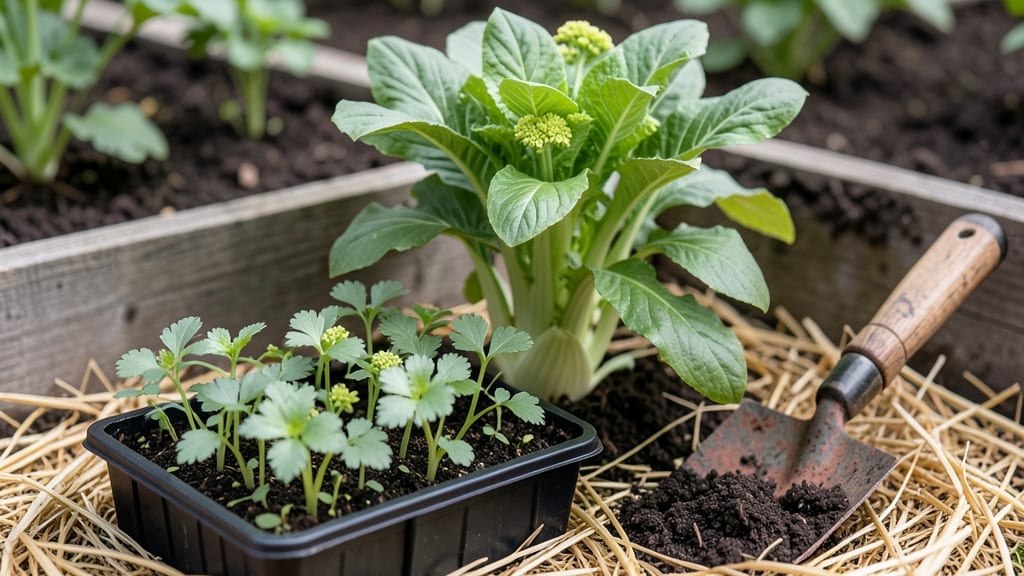
Knowing when to plant celery in Zone 6 is the difference between crisp, flavorful stalks and bitter, disappointing harvests. This cool-weather crop needs precise timing to thrive, especially in regions where summers can get too hot.
Miss the window, and you might end up with celery that bolts or develops tough, stringy stalks instead of the tender 🥬 you crave.
For Zone 6 gardeners, the ideal planting window is early spring—think March to April—or late summer, around July to August. These months align with celery’s love for cooler temperatures and give it enough time to mature before frost hits.
But here’s the catch: celery hates heat, so planting too late in summer can send it into a survival mode that ruins its texture.
Whether you’re a beginner or a seasoned gardener, getting the timing right is just the first step. I’ll walk you through how to start seeds indoors, when to transplant seedlings, and even how to stretch your harvest season with simple tricks.
By the end, you’ll know exactly when to plant for that perfect, crisp celery harvest—no guesswork involved.
Ready to grow celery that’s as satisfying to harvest as it is delicious to eat? Let’s dive into the exact dates, soil prep, and care tips that will make your garden the envy of the neighborhood. Your taste buds—and your dinner table—will thank you.
Optimal planting dates for celery in Zone 6 (with frost timing)
Celery is a cool-season crop that bolts—meaning it flowers prematurely—when temperatures rise above 75°F. In Zone 6, this means timing is everything to avoid bitter, stringy stalks.
The ideal planting window is either early spring (March–April) or late summer (July–August), when soil temperatures stay below 70°F and days remain cool.
For spring plantings, start seeds indoors 10–12 weeks before your last frost date (typically mid-April in Zone 6). Transplant seedlings outdoors once soil warms to 50°F and nighttime temperatures consistently stay above 40°F.
This ensures your celery matures before summer heat sets in, usually by late July or early August.
If you prefer fall harvests, sow seeds directly in the garden 8–10 weeks before your first frost (mid-October in Zone 6). This late-summer planting lets celery grow through the cool shoulder seasons of September and October, avoiding the heat stress of July and August.
| Planting Window | Key Conditions | Action Steps | Harvest Timeline |
|---|---|---|---|
| Early Spring (March–April) | Soil: 50°F+ Night temps: 40°F+ Day temps: <75°F |
Start indoors 10–12 weeks before last frost Transplant after last frost |
Late July–October |
| Late Summer (July–August) | Soil: 60°F+ Day temps: <75°F Night temps: 50°F+ |
Direct sow seeds 8–10 weeks before first frost Use shade cloth if temps exceed 75°F |
September–November |
Zone 6 gardeners often overlook the late-summer window because it requires vigilance against heat. To succeed, choose slow-bolting varieties like 'Utah' or 'Tall Utah', which tolerate slightly warmer conditions. Pair this with daily shade cloth during peak afternoon heat to keep soil temps below 70°F.
Another pro tip: Succession plant every 2 weeks in late summer to stagger harvests. This ensures a steady supply of crisp celery through October, even if some plants bolt early.
For example, if you sow seeds on July 15, July 29, and August 12, you’ll have harvests spaced 2–3 weeks apart.
Watch for soil temperature spikes—celery roots struggle above 75°F. Use a soil thermometer to monitor conditions. If temps climb unexpectedly, mulch heavily with straw or grass clippings to insulate roots and retain moisture.
Remember, celery needs 120–150 days to mature. In Zone 6, this means spring plantings must be timed so harvest occurs by late July, while fall plantings should finish by mid-October before hard frosts hit. Miss this window, and you’ll end up with bolted, seed-stalk celery—a gardener’s worst nightmare!
For a foolproof approach, mark your calendar for March 15 (indoor start) and July 20 (direct sow) as your target dates. Adjust by 1–2 weeks based on your local frost history, and you’ll enjoy homegrown celery that rivals store-bought in crispness and flavor.
Optimal planting dates for celery in Zone 6 (with frost timing)
Celery in Zone 6 is a cool-season crop, so timing your planting around frost dates is critical. The best window is early spring—typically March to April—when soil temperatures hover around 50°F (10°C). This gives your celery enough time to mature before summer heat sets in.
For a second harvest, late summer planting around July to August works too, but you’ll need to act fast to beat the first frost.
In Zone 6, the average last frost date is mid-April, but this can vary by 1-2 weeks depending on microclimates. To play it safe, start seeds indoors 10-12 weeks before your last frost (around mid-January to early February).
Transplant seedlings outdoors 2-3 weeks after the last frost when soil is workable and nighttime temps stay above 40°F (4°C).
Celery hates heat—temperatures above 80°F (27°C) can cause bolting (premature flowering) or tough, bitter stalks. That’s why late summer plantings must be timed carefully. Aim to harvest before mid-September to avoid heat stress. If you’re pushing the season, use shade cloth to protect plants during peak afternoon heat.
📅 Celery Planting Timeline for Zone 6
| Stage | Action | Notes |
|---|---|---|
| Early Spring (Jan-Feb) | Start seeds indoors | 10-12 weeks before last frost |
| Late April | Transplant seedlings outdoors | Soil temp ≥50°F (10°C) |
| Mid-July | Direct-sow for late harvest | Use shade cloth if temps exceed 80°F |
| August-October | Harvest before frost | Stalks should be 12"+ tall and firm |
If you’re new to growing celery, succession planting is your best friend. Sow seeds every 2-3 weeks from March through July to ensure a steady supply. For example, plant one batch in early March, another in late April, and a final one in early June.
This staggered approach spreads out your harvest and reduces the risk of bolting from heat stress.
Pro tip: Use a soil thermometer to monitor temperatures. Celery roots best when soil stays between 55°F and 70°F (13°C-21°C). If your soil heats up too quickly in late spring, consider amending it with compost or organic matter to retain moisture and cool the root zone.
This simple step can make all the difference in preventing bitter stalks.
Remember, celery needs consistent moisture to grow crisp and tender. If you plant too late in summer, even with shade cloth, the combination of heat and drought stress will compromise your crop.
By sticking to these frost-timed windows, you’ll be well on your way to a bountiful harvest of homegrown celery that’s sweeter and fresher than anything from the store. 🥬