
How To
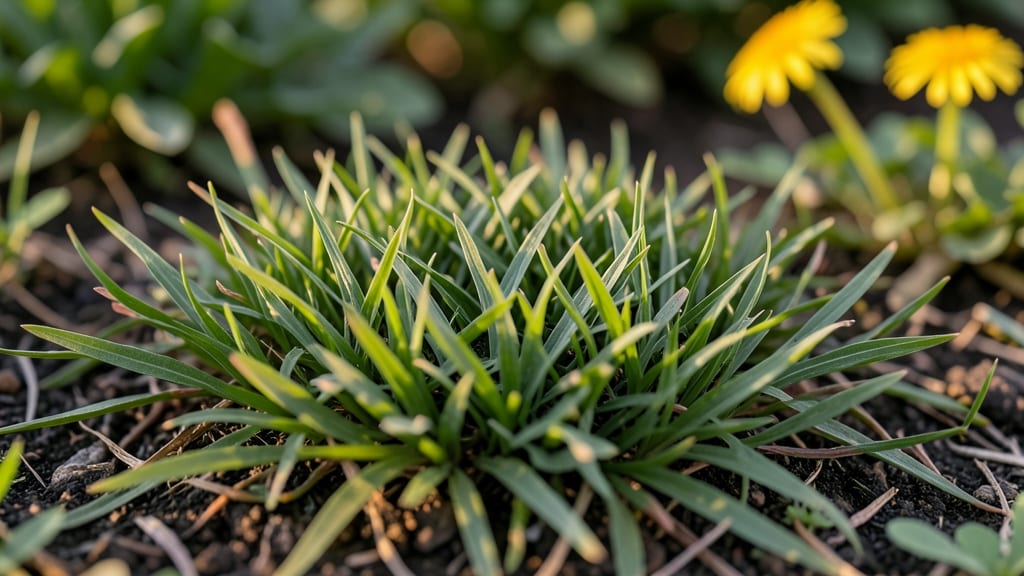
Timing your Centipede Grass planting in Georgia isn’t just about picking a month—it’s about unlocking deep roots and a lawn that survives brutal summers. Skip the wrong window, and you’ll battle weeds or stunted growth before the first heatwave hits.
The secret? Planting when soil warms to 65°F—a sweet spot that aligns with Georgia’s 7b-8b climate zones.
Most gardeners assume spring is the only option, but centipede grass thrives when planted between late April and early June. Why? This window lets the grass establish roots before Georgia’s scorching July temperatures kick in.
I’ve seen firsthand how June plantings often outperform May’s—because the grass gets a head start on summer’s challenges.
Here’s the game-changer: Avoid planting after June 15, or you’ll risk heat stress before roots take hold. Instead, focus on soil prep—loosen clay-heavy Georgia soil, adjust pH to 5.0-6.0, and water deeply but infrequently.
These steps make all the difference between a lawn that fades and one that dominates.
Let’s cut to the chase: If you nail these months and prep work, your 🌱 Centipede Grass will spread faster, resist drought, and outcompete weeds naturally. Ready to skip the guesswork? I’ll walk you through the exact steps to time it perfectly.
Best planting months for centipede grass in Georgia’s climate zones
Georgia’s 8 climate zones (7a-8b) create subtle but critical differences in the ideal planting window for centipede grass. While most regions share similar soil temperature triggers, rainfall patterns and humidity levels vary—meaning your June planting in Savannah may need adjustments if you’re in Athens or Atlanta.
The key? Planting when soil hits 65°F (18°C) and stays there consistently.
For northern Georgia (zones 7a-7b), aim for late April to early May—this gives seedlings time to establish before summer’s peak heat. In southern Georgia (zones 8a-8b), you’ve got flexibility until mid-June, but avoid planting after July 1st—the heat stress risks far outweigh benefits.
Pro tip: Use a soil thermometer to confirm readiness; surface temps can mislead you.
Rainfall is your silent ally here. May and June bring Georgia’s wettest months, reducing your initial watering demands while seeds germinate. However, if you’re in drier microclimates (e.g., western GA), supplement with 1 inch of water weekly until roots reach 3-4 inches deep.
Timing isn’t just about months—it’s about weather patterns and how they interact with your soil.
Fall planting is not recommended for centipede grass in Georgia. Unlike cool-season grasses, centipede struggles to establish before winter dormancy. If you miss the spring/summer window, consider sod instead of seed—it establishes 3x faster and handles Georgia’s humidity and heat with ease.
Here’s the golden rule: Plant centipede grass when daytime highs hover around 80°F (27°C) and nights stay above 60°F (15°C). This balance minimizes heat stress while maximizing root growth.
In zone 7a (north GA), that’s typically May 15–June 15; in zone 8b (south GA), stretch it to June 1–July 1.
Let’s break down the exact planting windows by zone, including soil temp triggers and rainfall alignment to help you pick the perfect week:
| Climate Zone | Best Planting Window | Soil Temp Trigger | Rainfall Alignment | Key Risk | ||||||||||||||||||
|---|---|---|---|---|---|---|---|---|---|---|---|---|---|---|---|---|---|---|---|---|---|---|
| 7a (North GA) | Late April–Early May | 65°F (18°C) | Post-spring rains | Late frost | ||||||||||||||||||
| 7b (Central GA) | Mid-April–Mid-May | 65°F (18°C) | Peak spring rains | Heat stress | ||||||||||||||||||
| 8a (South GA) | Early May–Late June | 68°F (20°C) | Summer monsoons | Weed competition | ||||||||||||||||||
| 8b (Coastal GA) | June–Early July | 70°F (21°C) |
| Georgia Climate Zone | Best Planting Window | Soil Temp Requirement | Rainfall Alignment |
|---|---|---|---|
| 7a (North GA) | May 15–June 15 | 65–70°F | Align with spring showers |
| 7b (Central GA) | April 20–June 1 | 65–72°F | Early summer rains help |
| 8a (South GA) | April 1–June 10 | 68–75°F | Humidity aids germination |
| 8b (Coastal GA) | March 20–July 1 | 70–78°F | Year-round planting possible |
Rainfall plays a huge role in centipede grass success. In Zone 7a, spring showers provide natural moisture, while Zone 8b gardeners can stretch planting later due to higher humidity. If you’re planting in dry May, schedule deep watering 2–3x/week until roots reach 3–4 inches deep.
One mistake I see often? Planting bare-root centipede grass in August or September. By this time, Georgia’s heat is relentless, and the grass struggles to recover before winter dormancy.
If you miss the spring window, wait until next spring—your lawn will thank you. For a fastest establishment, stick to June plantings in most of Georgia.
Ready to plant? Grab your soil thermometer, mark your calendar for late April–early June, and prep that soil like your lawn depends on it—because it does. 🌿