
Plants
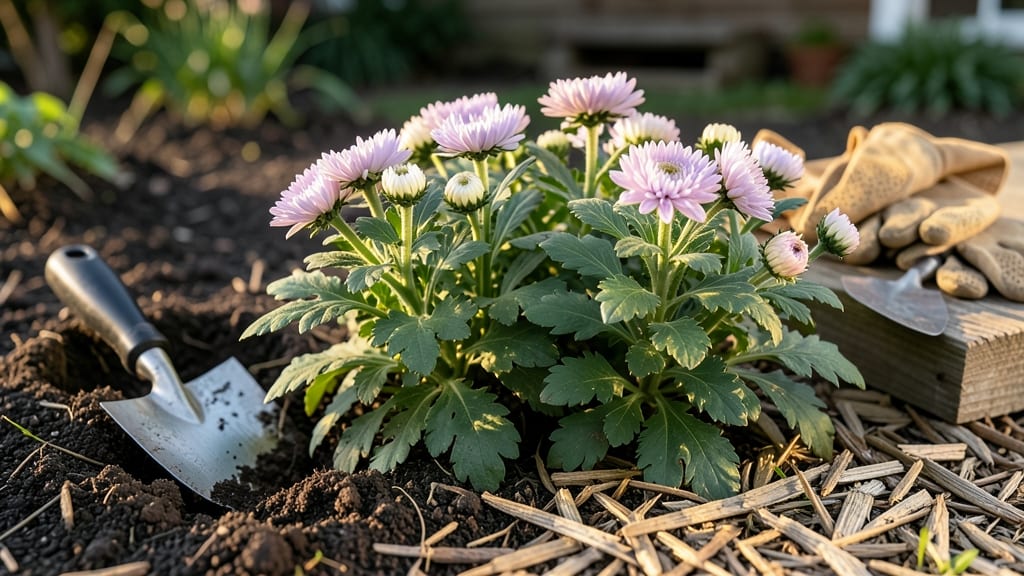
Planting chrysanthemums in the fall is your golden ticket to stunning blooms next season—but if you miss the window, you could end up with weak roots or no flowers at all. The key lies in timing it perfectly, so your 🌼 thrives before winter sets in.
In USDA Zone 6a, where many gardeners live, the magic happens 4-6 weeks before your first frost. That means starting around mid-September for most regions, giving your plants enough time to establish strong roots before the cold arrives.
Too early, and they’ll bolt; too late, and frost will catch them off guard.
I’ll break down exactly when to plant in your zone, plus soil prep tips to ensure your chrysanthemums not only survive but thrive through winter. Whether you’re growing annuals for bold fall color or perennials for next year’s blooms, this timing is everything.
Ready to transform your garden? Let’s dive into the zone-specific weeks that’ll guarantee your chrysanthemums put on a show—no guesswork required.
Fall planting timing by USDA hardiness Zones: exact weeks for success
Fall planting of chrysanthemums depends entirely on your USDA hardiness zone. The goal is to plant 4-6 weeks before your first frost date—this gives roots time to establish before winter dormancy.
In Zone 3, for example, you’ll plant in early September, while Zone 10 gardeners can wait until late October. Each zone has a specific window where soil temperatures stay warm enough for root growth but cool enough to avoid summer stress.
For most regions, the ideal planting window falls between mid-August and mid-October. Use your local average first frost date as your guide—check the USDA Plant Hardiness Zone Map or your local cooperative extension service for precise dates.
For instance, if your first frost is October 15, aim to plant by September 15 to ensure strong root development before cold sets in.
Northern climates (Zones 3-6) need earlier planting—late August to early September—because shorter days and colder nights arrive sooner. Southern zones (Zones 7-10) can extend planting until mid-to-late October, as milder winters allow longer root establishment.
Always adjust for microclimates—valleys may frost earlier than hilltops, and urban areas can stay warmer.
| USDA Zone | Planting Window | Soil Temp Goal (°F) | Key Notes |
|---|---|---|---|
| Zones 3-4 | Late August–Early September | 50–60°F | Plant 6 weeks before frost; use cold-hardy varieties. |
| Zones 5-6 | Mid-August–Mid-September | 55–65°F | Adjust for early frosts; mulch heavily after planting. |
| Zones 7-8 | Late August–Late September | 60–70°F | Extend to early October in Zone 8; monitor soil moisture. |
| Zones 9-10 | Mid-September–Mid-October | 65–75°F | Plant until November in mild winters; prioritize drainage. |
If you’re unsure about your frost date, use the 5/10°C rule: chrysanthemums thrive when soil temps are above 50°F (10°C) but avoid planting when nighttime temps drop below 40°F (4°C).
In Zone 5, for example, soil may still be warm in September, but nights could dip—wait until mid-September to balance risk. For container-grown chrysanthemums, extend your window by 2–3 weeks since pots warm faster.
Pro tip: Hardened-off plants (acclimated to cooler temps) perform better in fall. If you’re buying nursery stock, look for root-bound plants with firm stems—these adapt faster to cooler soil. Avoid overly leggy or flower-heavy specimens, as they’ll struggle to establish roots before winter.
Prioritize compact, bushy varieties like ‘Bonanza’ or ‘Dynasity’ for fall planting—they handle cold better than tall, spindly types.
For gardeners in transition zones (e.g., Zone 6b/7a), split the difference: plant half your mums in early September and the rest in mid-October. This hedges against unpredictable weather.
Always water deeply after planting to encourage root spread—chrysanthemums need 1–1.5 inches of water weekly until roots establish (about 4–6 weeks). Use a moisture meter to check soil depth if drought is a concern.
One common misconception is that fall-planted chrysanthemums won’t bloom until next year. While this is true for perennial varieties, annual mums (like those sold for fall color) often produce late-season blooms if planted early enough.
To maximize fall flowers, choose early-blooming cultivars like ‘Medallion’ or ‘Bright Lights’—these can push out buds even with shorter daylight in September.
Finally, adjust for elevation: High-altitude gardens (e.g., 5,000+ feet) may need to plant 2–3 weeks earlier than sea-level zones due to cooler temps. Use a local gardening app like Gardenate or PlantNet to input your zip code for personalized frost dates.
With the right timing, your chrysanthemums will reward you with bold blooms—even in winter’s chill.
Fall planting timing by USDA hardiness Zones: exact weeks for success
Timing your chrysanthemum planting is all about beating the frost. In USDA Zones 3-5, aim for 6-8 weeks before the first frost—typically mid-to-late August. This gives your plants time to establish roots before winter dormancy kicks in.
For Zones 6-8, you’ve got a little more flexibility with 4-6 weeks before frost, landing you in early-to-mid September.
If you’re in Zones 9-10, fall planting is still ideal, but focus on late September to early October. Warmer climates mean less risk of early frost, but your chrysanthemums still need time to root before cooler temperatures arrive.
Always check your local frost date averages—they’re your planting deadline.
Here’s a quick guide to avoid overwhelm: Northern zones (3-5) need early starts, while Southern zones (9-10) can wait until October. The goal? Root establishment before winter—no exceptions.
| USDA Zone | Planting Window | Key Consideration |
|---|---|---|
| 3-5 | Mid-August to early September | Early frost risk; prioritize root growth |
| 6-8 | Late August to mid-September | Balanced window for root and bloom prep |
| 9-10 | Late September to early October | Warmer temps allow later planting |
Adjust 1-2 weeks earlier for high-altitude areas or cooler microclimates.
Pro tip: Use container-grown chrysanthemums if your zone’s frost date is unpredictable. Pots give you the flexibility to move plants indoors or to a sheltered spot if cold snaps hit early. Just ensure your containers have drainage holes to prevent root rot.
For perennials, focus on hardy varieties like ‘Ruby Mound’ or ‘Dwarf Spray’—they handle winter better than tropical hybrids. Annuals, on the other hand, are all about fall color, so plant them as close to the ideal window as possible for maximum bloom time.
If you’re unsure about your zone’s frost date, check the National Oceanic and Atmospheric Administration (NOAA) website or ask your local cooperative extension service. They’ve got the data to help you plant with confidence. Now grab those gloves—your garden’s fall transformation starts here! 🌼