
Flowers
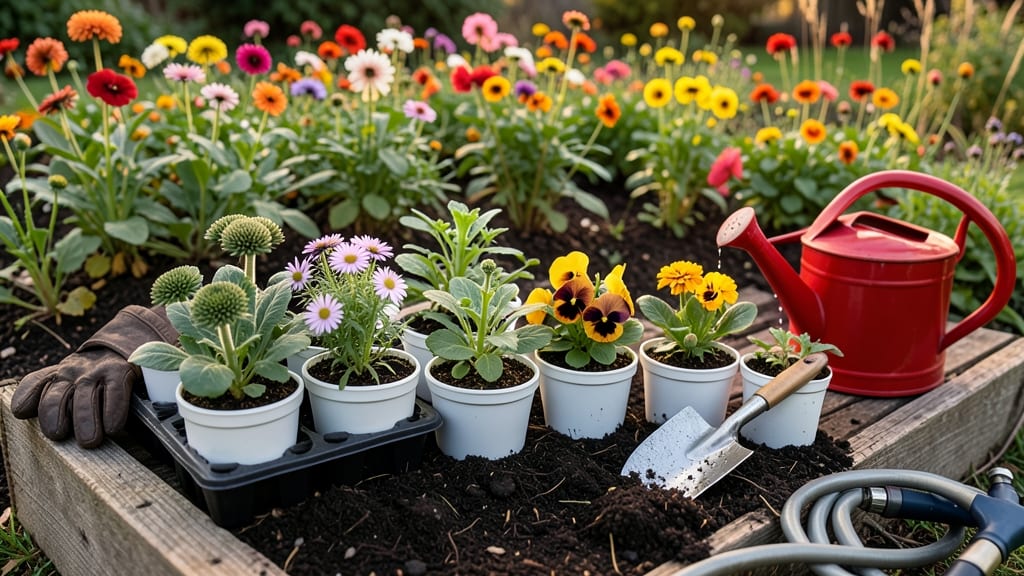
If you’ve ever dreamed of a Georgia garden bursting with color as the leaves turn golden, planting fall flowers at the right time is your secret weapon—but get it wrong, and you’ll miss the whole show.
Georgia’s Zone 7B climate gives you a narrow window to beat summer’s lingering heat and winter’s early frost. Too soon, and your blooms will wilt in the August sun; too late, and frost will cut their season short.
The key? Timing your plantings to align with Georgia’s first frost dates, which can vary wildly from Atlanta’s cooler hills to Savannah’s milder coast.
I’ve spent years testing what works in Georgia’s soil and weather, and I’ll show you exactly when to plant each type of fall flower—from hardy mums to delicate pansies—to guarantee bold, long-lasting blooms that brighten your yard from September through December.
Whether you’re a seasoned gardener or just starting, these proven strategies will help you avoid common mistakes and create a fall display that’s the envy of the neighborhood. Let’s get your garden ready for its most vibrant season yet.
Georgia’s zone 7B fall planting deadlines by flower type
Georgia’s Zone 7B climate offers a 6-8 week window for planting fall flowers, but missing the mark means either summer bolting or frost damage. The key is understanding your last frost date (typically mid-November) and working backward from there.
For Atlanta, aim for mid-August to early October, while coastal areas like Savannah can extend planting until late October.
Your first frost date determines everything—most fall flowers need 6-8 weeks to establish roots before winter sets in. Mums and pansies are the most forgiving, while delphiniums and snapdragons bolt if planted too early. Let’s break down the critical deadlines for Georgia’s top fall performers.
| Flower Type | Planting Window (Zone 7B) | Frost Tolerance | Heat Tolerance | Key Notes |
|---|---|---|---|---|
| Chrysanthemums (Mums) | Mid-August to early October | 20°F (-6°C) | Moderate (bolts in 90°F+) | Best planted 6-8 weeks before first frost. Disbud for larger blooms. |
| Pansies & Violas | Late August to mid-October | 15°F (-9°C) | High (thrives in 80°F) | Cold-hardy annuals that rebloom in cool weather. Ideal for containers. |
| Asters | Early September to early October | 10°F (-12°C) | Low (struggles in heat) | Perennial with late-season blooms. Deadhead for extended flowers. |
| Snapdragons | Late August to mid-September | 25°F (-4°C) | Moderate (bolts in heat) | Plant in partial shade to prevent bolting. Cut flowers last 6-8 weeks. |
| Sweet Alyssum | September to early October | 10°F (-12°C) | High (heat-tolerant) | Self-seeding annual with honey-scented blooms. Great for edging. |
| Calendula | Late August to September | 20°F (-6°C) | Very High | Edible petals and pest-repellent. Thrives in poor soil. |
🌱 Pro Tip: Coastal Georgia (Zone 8) can plant 2-3 weeks later than inland areas.
For bulbs like tulips and crocuses, plant them 6-8 weeks before ground freezes—typically October to early November in Georgia. These spring-blooming bulbs need cold stratification to flower, so don’t delay.
If you’re in North Georgia (Zone 7A), shift your timeline 1-2 weeks earlier to account for earlier frosts.
Microclimates matter! Urban Atlanta gardens often experience 2-3°F warmer nights than rural areas due to the heat island effect. Use this to your advantage: if your garden is in a warmer microclimate, push planting dates 1 week later.
Conversely, elevated or windy areas may need earlier planting to protect from early frosts.
Always check your local frost dates using the National Weather Service or Old Farmer’s Almanac, as Georgia’s Zone 7B transition can vary by 10-14 days year to year. Hardening off
How to extend fall blooms: soil, sun, and care secrets for Georgia gardens
Georgia’s clay-heavy soil and unpredictable fall weather can sabotage even the most beautiful flower beds—but with the right adjustments, you can double your blooms’ lifespan. The secret lies in three critical factors: soil prep, sunlight optimization, and smart watering.
Let’s break down how to give your fall flowers the fighting chance they deserve in Georgia’s transitional climate.
First, amend your soil 4-6 weeks before planting. Georgia’s native clay retains too much moisture while also compacting roots. Mix in 2-3 inches of compost or aged manure, and top with 1 inch of pine fines mulch to improve drainage.
For container gardens, use a well-draining potting mix with perlite to prevent root rot during fall’s cooler, wetter spells.