
Plants
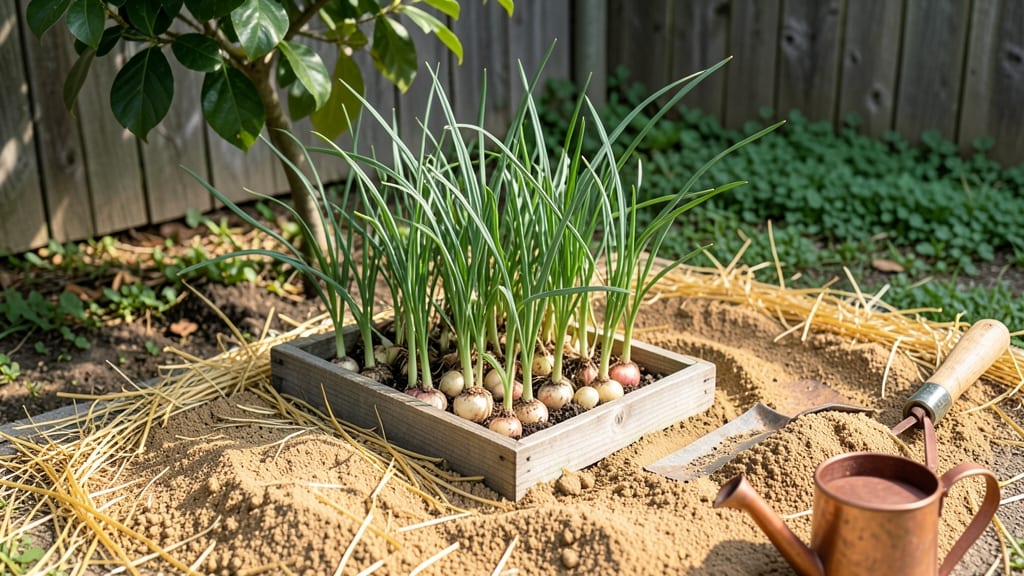
If you're wondering when to plant chufa in Alabama, timing is everything—get it wrong, and your crop could fizzle before harvest. Alabama's varied climate means coastal areas and inland zones play by different rules, but mastering these windows unlocks a bountiful harvest of nutty, crunchy 🌾 tubers.
Most gardeners in USDA Zones 7b-8a should aim for late spring to early summer, roughly April through May, when soil temperatures hit 65°F consistently. This gives chufa enough time to mature before Alabama’s first frost sneaks in around November.
But here’s the catch: coastal regions like Mobile can start planting earlier, while drier Piedmont areas may need to wait until May to avoid heat stress. I’ll break down the exact microclimate strategies so you can align your planting with Alabama’s quirks—no guesswork, just peak yields.
Ready to grow chufa like a pro? Let’s dive into the soil prep, watering secrets, and variety picks that’ll have your garden thriving from August through October. Your future harvest starts with the right timing.
Alabama’s chufa planting calendar by microclimate zone (with exact months)
Alabama’s five distinct microclimates create dramatic differences in chufa planting success. In Coastal Alabama, where humidity lingers year-round, you can start as early as March 15—just after the last frost.
Meanwhile, in the Appalachian Plateau, wait until May 1 to avoid late-spring frosts that can devastate tender seedlings. These timing shifts aren’t just regional quirks; they’re survival strategies for your crop.
Chufa thrives when soil temperatures hit 65°F (18°C) consistently. In Black Belt Alabama, this usually aligns with mid-April, while Piedmont growers should aim for late April to early May.
The Ridge-and-Valley region often waits until May 15 due to cooler nights. Use a soil thermometer to confirm—planting too early in cooler zones risks stunted growth or rot.
Here’s the critical planting window for each Alabama zone, including heat-unit calculations needed for optimal tuber development. These timelines assume average frost dates but account for Alabama’s unpredictable spring transitions.
| Zone | Last Frost Date | Optimal Planting Window | Soil Temp Trigger | Heat Units Needed | Harvest Window |
|---|---|---|---|---|---|
| Coastal Alabama | March 15 | March 20 - April 15 | 60°F (15°C) | 2,800 - 3,200 | July 15 - August 30 |
| Black Belt | March 20 | April 1 - April 30 | 65°F (18°C) | 3,000 - 3,400 | July 30 - September 15 |
| Piedmont | March 25 | April 15 - May 10 | 68°F (20°C) | 3,200 - 3,600 | August 1 - September 10 |
| Ridge-and-Valley | April 5 | May 1 - May 20 | 70°F (21°C) | 3,400 - 3,800 | August 10 - September 20 |
| Appalachian Plateau | April 10 | May 15 - June 1 | 72°F (22°C) | 3,600 - 4,000 | August 20 - October 1 |
Notice how the Appalachian Plateau requires 4,000 heat units compared to Coastal Alabama’s 3,200? This difference accounts for the region’s cooler nights and shorter growing season.
If you’re in a transitional zone (like North Alabamastaggered planting—sow half your seeds in early May and half in late May to hedge against unpredictable weather.
For Coastal Alabama growers, the early window means you can squeeze in two harvests per year if you plant a second batch in late June. However, this requires careful water management—chufa hates soggy soil, and summer humidity can turn your beds into breeding grounds for fungal diseases.
Use raised beds with sandy loam soil to improve drainage.
In Black Belt Alabama, where clay soils dominate, amending with compost and perlite is non-negotiable. The region’s high summer temperatures (90°F+) demand daily watering during tuber formation (June-July). A drip irrigation system saves time and prevents water stress, which directly impacts tuber size and yield.
Piedmont growers often face unpredictable spring rains that can delay planting. If your soil stays waterlogged past April 30, switch to container growing with well-draining mixes. Containers also let you move plants to sunnier spots if your yard has partial shade—critical for chufa’s full-sun requirements.
For Appalachian Plateau farmers, focus on cold-hardy varieties like ‘Granada’ and prioritize early-maturing types. The region’s shorter season means you’ll need to harvest by October 1 to avoid frost damage.
Use black plastic mulch to extend the season by 2-3 weeks—this raises soil temps and protects tubers from early cold snaps.
Pro tip: Mark your calendar for the Alabama Extension’s frost date updates (available at [aces.edu](https://www.aces.edu)). Their localized alerts can shift your planting window by 1-2 weeks if an early frost is forecasted.
For example, in 2023, Mobile’s last frost came March 5—two weeks earlier than average—catching many growers off guard.
How Alabama’s weather patterns affect chufa germination (and how to adjust)
Alabama’s spring weather can be a double-edged sword for chufa growers. One day you’ve got warm, humid air perfect for germination, and the next? A sudden cold snap that halts sprouting.
In coastal areas like Mobile, high humidity (70%+) can speed up seed rot if drainage isn’t perfect, while inland zones like the Piedmont often face dry, erratic winds that dry out soil too quickly.
To outsmart Alabama’s unpredictability, I rely on three key tools: a soil thermometer, mulch, and staggered planting. Chufa seeds need soil temps of 65°F+ to germinate, but Alabama’s last frost can linger until March 15 in the north and April 1 in coastal areas.
Waiting for consistent warmth pays off—skipping this step risks poor germination rates or stunted growth.
Here’s my non-negotiable rule: Never plant chufa until soil temps stay above 65°F for 5 consecutive days. Use a soil thermometer (not air temp!) to confirm—Alabama’s morning fog can fool you.
Pro tip: Coastal gardeners can start testing soil temps as early as mid-March, while Piedmont growers should wait until late April.
🌡️ Warning: Late-Spring Frost Risk
Alabama’s "false springs" are notorious. Even after warm spells, late frosts can hit in April or early May, especially in the Appalachian Plateau. If you plant too early:
- Seeds may rot in cold, wet soil (🌱💀)
- Young shoots can freeze back, delaying harvest by weeks
- Coastal areas are safer—humidity acts as a natural insulator against light frosts
Solution: Use row covers or plant in staggered batches every 2 weeks for a longer harvest window.
Mulching is your secret weapon against Alabama’s moisture swings.
I use straw or pine needles (3-4 inches thick) to: - Retain moisture during dry spells (common in June-July) - Suppress weeds that compete for nutrients - Regulate soil temp—critical when Alabama’s summer heat can spike to 95°F+ in the Black Belt
For high-risk zones (like the Ridge-and-Valley region), I adjust my approach:
- Plant in raised beds for better drainage (Alabama’s clay soils can suffocate chufa roots)
- Use drip irrigation to avoid overhead watering that spreads disease in humid air
- Choose faster-maturing varieties (like ‘Valencia’) to beat the November frost
Remember: Alabama’s humidity + heat combo creates the perfect storm for fungal diseases like root rot. Space plants 12 inches apart and avoid watering at night to let foliage dry quickly. With these tweaks, you’ll turn Alabama’s weather quirks into your chufa crop’s advantage.