
Plants
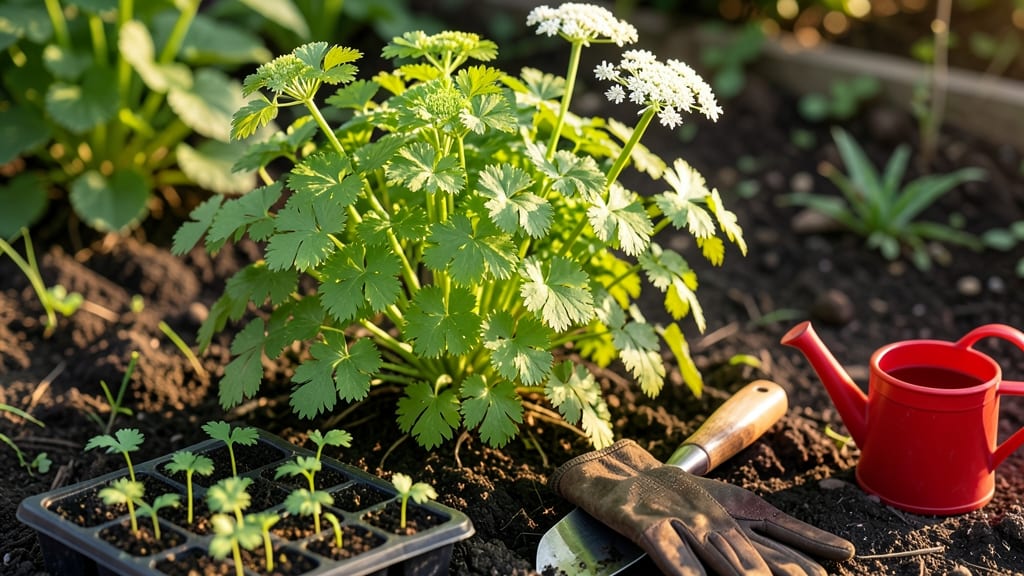
If you’ve ever planted cilantro in Florida only to watch it bolt into bitter seeds by summer, you’re not alone—and the fix is simpler than you think. The key lies in timing: planting cilantro during the cooler months when temperatures stay mild, not scorching.
Florida’s climate can be tricky, but with the right schedule, you can enjoy fresh 🌱 cilantro all year. Whether you’re in North Florida’s cooler zones or South Florida’s balmy winters, knowing the exact months to plant makes all the difference.
Let’s cut through the guesswork and get you growing cilantro that stays crisp and flavorful.
Bolting happens fast in Florida’s heat, but there’s a workaround. By focusing on fall and winter planting—and using shade or succession planting—you can extend your harvest window. I’ll show you the best months to start seeds and how to keep your cilantro thriving until summer’s relentless sun arrives.
Ready to skip the bitter disappointment and grow cilantro that tastes fresh all season? Let’s dive into the planting calendar that works for Florida’s unique climate.
Best cilantro planting months in Florida (avoiding bolting)
Cilantro thrives in Florida’s cooler seasons but wilts—or worse, bolts—when temperatures rise above 80°F. The key is planting during fall, winter, and early spring, when daytime highs stay between 60°F and 75°F.
North Florida’s cooler microclimate gives you a 2-month head start compared to South Florida, where summer heat arrives earlier.
Bolting happens when cilantro senses heat stress, sending up flower stalks and turning leaves bitter. In Florida, this typically occurs by April in North Florida and as early as February in South Florida. Timing your plantings to harvest before bolting is the secret to crisp, flavorful cilantro all year.
| Region | Ideal Planting Window | Last Harvest Before Bolting | Shade Cloth Needed? |
|---|---|---|---|
| North Florida (Zones 8a-8b) | September–October & February–March | April (before heat spikes) | Yes (30% shade in late spring) |
| Central Florida (Zones 9a-9b) | August–September & January–February | March (bolting starts earlier) | Yes (40% shade in spring) |
| South Florida (Zones 10a-11) | July–August & December–January | February (heat arrives fast) | Yes (50% shade year-round) |
For North Florida, aim for September–October plantings to harvest before spring heat arrives. In Central Florida, stretch your season with August sowings, but be ready to harvest by March. South Florida gardeners should focus on July–August for fall harvests, as winter warmth delays bolting slightly.
Even with perfect timing, Florida’s unpredictable heat can sneak up. Use lightweight shade cloth (30–50%) to buy extra weeks of growth. For example, in Central Florida, adding shade in March can delay bolting by 2–3 weeks, extending your harvest window.
Another trick is succession planting every 2–3 weeks during your region’s ideal window. This ensures a steady supply of fresh cilantro before bolting takes over. For instance, if you plant 10 seeds every 2 weeks starting in September, you’ll have continuous harvests through December.
Watch for leaf color changes—yellowing or curling signals bolting is imminent. In Florida’s heat, cilantro may bolt in as few as 3–4 weeks if temperatures climb above 78°F. Harvest leaves aggressively to encourage bushier growth and delay flowering.
Pro tip: Mulch heavily with straw or wood chips to keep soil temperatures stable. This helps cilantro focus on leaf growth instead of stress responses. In South Florida, mulching can push back bolting by 1–2 weeks during shoulder seasons.
If you miss the ideal window, don’t despair—cilantro’s seeds are heat-tolerant. Try growing it in containers and move them to shaded spots when temperatures rise. This mobile approach lets you adapt to Florida’s ever-changing weather patterns.
Best cilantro planting months in Florida (avoiding bolting)
Florida’s microclimates create a unique challenge for growing cilantro. Unlike cooler northern states, Florida’s warm winters and long growing seasons demand precise timing. The best windows to plant are fall, winter, and early spring, when temperatures stay between 50°F and 75°F—cilantro’s ideal range.
Outside these months, heat stress triggers bolting, turning your herb into a bitter, seed-producing plant.
North Florida’s cooler Zone 8a (like Gainesville) can handle early spring plantings in March, while South Florida’s Zone 10b (Miami) should focus on fall plantings in September-October.
Central Florida (Zone 9a) falls in between, with August-September and February-March as sweet spots. Understanding these regional differences is key to avoiding wasted seeds.
Here’s how Florida’s climate zones break down for cilantro planting:
Bolting happens when cilantro senses heat or drought stress. In Florida, this typically occurs by late April in North Florida and as early as March in South Florida. To delay bolting, plant succession crops every 2–3 weeks during the ideal windows.
For example, if you plant in September, follow up with another round in October to ensure a continuous harvest before summer arrives.
Another trick is to use shade cloth (30–50% coverage) to lower soil temperatures by 10–15°F. This buys you extra weeks of harvestable cilantro, especially in Central and South Florida.
Pair this with daily watering to keep soil consistently moist—drought stress is another bolting trigger. For container gardens, move pots to shadier spots as temperatures rise above 75°F.
If you miss the ideal planting windows, don’t despair. You can still grow cilantro in Florida’s summer by focusing on late afternoon shade and frequent harvesting. Cut leaves aggressively to encourage bushier growth, but expect a shorter harvest window.
For the best results, stick to the fall and winter schedule—it’s the surest way to avoid bolting and enjoy fresh cilantro all season.