
Trees
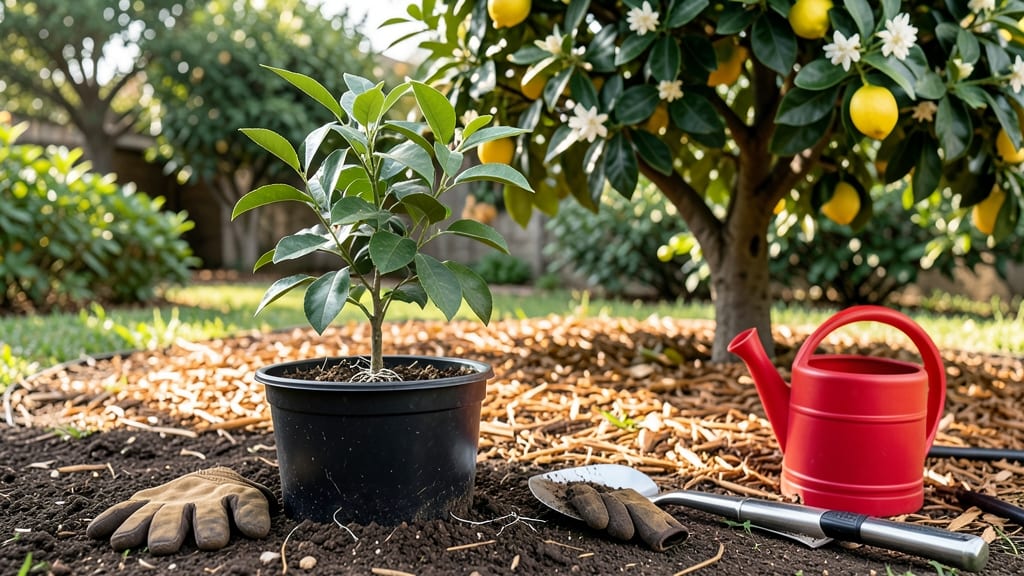
Planting a 🍊 citrus tree in Arizona might seem like a no-brainer—after all, the Grand Canyon State is practically citrus country. But timing your planting wrong could turn your dream orchard into a sad, sun-scorched memory.
The key to success? Planting during Arizona’s coolest months, when the desert heat has calmed down and the soil is ready to welcome new roots.
Most Arizona gardeners know the basics—avoid summer—but did you know the best window actually stretches from November through March? This isn’t just about escaping the heat; it’s about giving your citrus tree the fighting chance it needs to establish itself before the brutal Arizona sun kicks in.
Whether you’re in Phoenix or Flagstaff, the rules shift slightly, and getting it right means the difference between a thriving tree and one that struggles to survive.
I’ve seen firsthand how a well-timed planting can turn a delicate sapling into a fruit-bearing giant within just a few years. In this guide, I’ll break down the exact months to plant by microclimate, share soil prep secrets, and reveal the common mistakes that even experienced gardeners make.
Let’s get your citrus tree off to the best possible start—because in Arizona, timing really is everything.
From choosing the right variety for your elevation to mastering post-planting care, you’ll learn how to set your citrus tree up for decades of harvests. Ready to dig in? Let’s make sure your 🍊 citrus tree thrives from day one.
Optimal planting months for Arizona citrus trees by microclimate zone
Arizona’s diverse climate—from the Low Desert’s 110°F+ summers to the High Desert’s freezing winter nights—demands precise planting timing for citrus trees. The ideal window spans November through March, but your exact timing depends on where you live.
In Phoenix or Tucson, you can push to early April, while Flagstaff gardeners must plant by late October to avoid frost. Understanding these microclimates is key to avoiding transplant shock and ensuring your citrus thrives.
Citrus trees are evergreen and heat-loving, but their roots are sensitive to extreme temperatures. Planting in cooler months gives roots time to establish before Arizona’s 100°F+ soils arrive in summer. Young trees planted in summer heat often suffer from transplant shock or root rot due to poor soil contact.
The best soil temperature for planting is between 60°F and 75°F, which Arizona’s winter and early spring months provide naturally.
Here’s how to match your planting timeline to Arizona’s three key zones—plus how to adjust for urban heat islands or microclimates in your backyard:
Urban heat islands—like concrete-heavy Phoenix neighborhoods—can add 10°F+ to soil temps, making even November planting risky for young trees. If you’re in a hot microclimate, opt for container planting with drip irrigation to regulate soil moisture.
Containers also let you move trees to shadier spots during summer’s peak heat. For in-ground planting, choose morning-sun locations to avoid afternoon heat stress.
Another critical factor is soil drainage. Arizona’s native soils often compact into clay-heavy layers that trap water, leading to root rot in citrus. Before planting, mix 50% native soil with 50% compost and 20% coarse sand or perlite to improve aeration.
Test your soil’s pH too—citrus thrives in slightly acidic to neutral soil (pH 6.0–7.0). If your soil is too alkaline (common in Arizona), amend with sulfur or peat moss.
Timing isn’t just about months—it’s also about moon phases for some gardeners. While not scientifically proven, many Arizona citrus growers swear by planting during the waxing moon (when roots grow upward) to encourage stronger root development.
Pair this with early morning planting (before 10 AM) to minimize transplant shock from afternoon heat. Water deeply at planting, then mulch with 3–4 inches of wood chips to retain moisture and regulate soil temperature.
One common mistake is planting bare-root citrus trees too late in the season. If you buy bare-root trees (cheaper and often hardier), plant them as soon as possible—within 1–2 weeks of purchase. Keep roots moist with a damp towel until planting day.
For container-grown trees, you have slightly more flexibility, but still aim for cooler months. Avoid summer planting entirely unless you’re in a coastal microclimate (like Yuma), where summer temps are milder.
Pro tip: If you miss the ideal window, don’t despair. Fall planting (October) is your next best option, followed by late winter (March). Just be prepared to protect young trees with
Optimal planting months for Arizona citrus trees by microclimate zone
Arizona’s diverse elevations create three distinct microclimates for citrus planting: Low Desert (Phoenix, Tucson), Mid-Elevation (Prescott, Sedona), and High Desert (Flagstaff). Each zone has unique frost risks and temperature swings that dictate the perfect planting window.
In the Low Desert, where winter lows rarely drop below 40°F, you can plant as late as March—but in Flagstaff’s cooler climate, aim for October to November to avoid late frosts.
The 5-month window from November through March is ideal for most Arizona gardeners, but your exact timing depends on elevation.
For example, a Meyer lemon in Phoenix thrives when planted in January or February, while a Satsuma mandarin in Flagstaff needs to be in the ground by November 1st to avoid winter stress. Even a 100-foot elevation change can shift your planting schedule by weeks.
Urban heat islands in cities like Phoenix add another layer of complexity. Sidewalks and buildings trap heat, making soil temperatures 5-10°F warmer than rural areas.
This means your citrus tree’s roots may struggle if planted too early—wait until December 1st in urban zones to give roots time to establish before summer’s intensity.
| Microclimate Zone | Best Planting Months | Soil Prep Tip | Frost Risk |
|---|---|---|---|
| Low Desert (Phoenix/Tucson) | November–March | Amend with compost and sand for drainage | None (USDA Zone 10a) |
| Mid-Elevation (Prescott/Sedona) | October–February | Add organic mulch to insulate roots | Light frost (Zone 8a) |
| High Desert (Flagstaff) | September–November | Use gravel mulch to prevent soil freeze | Moderate frost (Zone 6b) |
One of the biggest mistakes I see is planting citrus trees in Arizona’s shoulder seasons—April or October. While these months might work in the Low Desert, they’re risky in cooler zones. For example, a Valencia orange planted in April in Flagstaff could suffer root damage from late-spring frosts.
Always check your local USDA zone and plant at least 6 weeks before the first expected frost in your area.
Pro tip: If you’re in a transitional zone (like Sedona’s red rocks), test your soil temperature with a soil thermometer. Roots struggle below 55°F, so wait until the ground warms to at least 60°F before planting.
This simple step can mean the difference between a surviving sapling and a failed transplant.
Remember, citrus trees are evergreen, meaning they grow year-round in Arizona’s mild winters. Planting during the coolest months gives their roots time to establish before the summer heat ramps up.
With the right timing, your citrus tree could be bearing fruit in as little as 2–3 years—but get it wrong, and you might be staring at a brown, crispy sapling by July.