
Trees
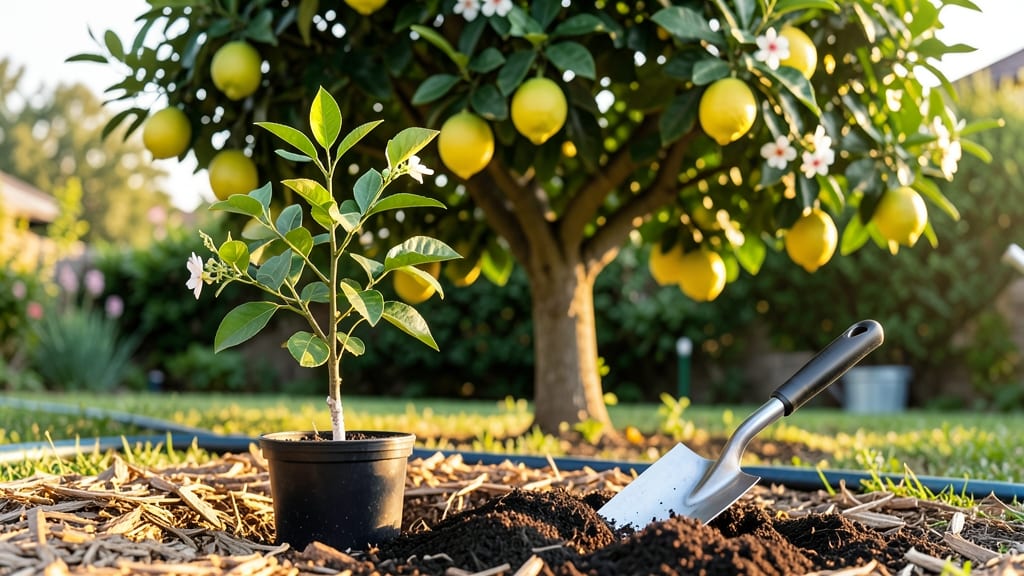
Planting a 🍊 citrus tree in Phoenix might seem straightforward—after all, the desert climate is perfect for these sun-loving plants. But timing your planting wrong could mean struggling with heat stress or poor root growth, even in USDA Zone 9b.
The key to success lies in understanding when to plant to give your tree the best shot at thriving.
If you’ve ever wondered why some citrus trees flourish while others wither, the answer often comes down to the planting window. In Phoenix, the best months to plant are November through February, when temperatures are cooler and the risk of transplant shock is lowest.
This period gives your tree time to establish strong roots before the brutal summer heat arrives.
Why does this matter? Because citrus trees planted outside this window can face stress from extreme heat or even frost (yes, it happens in Phoenix too!).
I’ll show you exactly how to prepare your soil, choose the right varieties, and care for your tree so it grows into a productive, long-lived addition to your yard.
Whether you're a first-time gardener or a seasoned plant enthusiast, getting the timing right is the most important step. Let’s dive into the best practices for planting citrus trees in Phoenix so you can enjoy fresh fruit year-round without the guesswork.
Best months to plant citrus trees in Phoenix (avoid these mistakes)
Phoenix’s mild winter temperatures and frost-free climate make it ideal for growing citrus trees year-round—but timing your planting correctly is critical.
The best window to plant citrus trees in Phoenix is between November and February, when cooler temperatures reduce transplant shock and allow roots to establish before summer heat arrives.
Planting outside this window can lead to heat stress for young trees, stunted growth, or even death. Phoenix’s summer temperatures often exceed 100°F, which is too intense for newly planted citrus trees still adjusting to their new environment. Even mature citrus trees struggle with extreme heat without proper acclimation.
Here’s why winter planting is your best bet: cooler soil temperatures help roots grow faster, and reduced evaporation means your tree stays hydrated longer. Plus, you’ll avoid the peak monsoon season (July–September), when heavy rains can drown young roots or wash away soil nutrients.
| Month | Planting Conditions | Risks to Avoid | Best Practices |
|---|---|---|---|
| November | Cool soil, low evaporation, minimal pests | Late frosts (rare but possible) | Plant before Thanksgiving for best root growth |
| December | Stable temps (50–70°F), ideal for root establishment | Holiday delays in watering | Use drip irrigation for consistent moisture |
| January | Peak winter coolness (40–65°F), low pest activity | Cold snaps below 32°F (unlikely but possible) | Choose a sheltered location if planting early January |
| February | Warming soil, increased sunlight | Early heatwaves (100°F+) | Provide afternoon shade for young trees |
| March–October | High evaporation, extreme heat | Transplant shock, heat stress, fungal growth | Avoid planting; wait for next winter |
If you miss the November–February window, your next best option is late October or early March, but these months come with risks. Planting in late October means racing against winter’s end—your tree may struggle with early heat spikes.
Meanwhile, early March brings rising temperatures, increasing the chance of heat stress before roots fully establish.
For container-grown citrus trees, you can plant year-round in Phoenix, but always choose a cooler month (November–February) for best results. Containers dry out faster in summer, and young roots are more vulnerable to temperature fluctuations.
If you must plant in summer, provide afternoon shade and daily watering to compensate.
One common mistake Phoenix gardeners make is planting citrus trees in spring (March–May), assuming the weather is warming up. However, April and May temperatures can still dip at night, and the transition to 100°F+ days is abrupt.
Your tree’s roots won’t have time to adjust, leading to wilting, leaf drop, or even death.
To maximize success, pair your winter planting with proper soil preparation. Phoenix’s native soil is often alkaline and poorly draining, which citrus trees hate.
Amend the soil with compost and sulfur to lower the pH to 6.0–7.0, and mix in organic matter like coconut coir or peat moss to improve drainage. This step is non-negotiable for citrus trees in Phoenix.
Finally, mulch heavily around your newly planted citrus tree using 3–4 inches of wood chips or straw. Mulch helps retain moisture, regulate soil temperature, and suppress weeds—all critical for young trees in Phoenix’s intense sun and dry climate.
Just be sure to keep mulch 6 inches away from the trunk to prevent rot.
Best months to plant citrus trees in Phoenix (avoid these mistakes)
Phoenix’s mild winter temperatures and frost-free climate make it ideal for citrus trees—but timing your planting is critical. The best window spans from November through February, when cooler temps help roots establish before summer’s brutal heat arrives. Planting outside this range risks transplant shock or stunted growth.
Citrus trees thrive in USDA Zone 9b, where freezing temps are rare. However, even a light frost (below 28°F) can damage young trees. Phoenix’s winter lows rarely drop below 30°F, but young citrus need time to harden off before summer’s 110°F+ heat sets in.
⚠️ Avoid planting in summer—Phoenix’s triple-digit temps cause severe heat stress, slowing root growth. Even mature citrus trees struggle with water loss during extreme heat, making transplanting risky. Fall planting (November) is ideal because soil stays warm enough for root development while daytime temps drop to 70-80°F.
If you must plant outside the ideal window, late October or March are second-best options. However, these months bring risks: October’s heat waves can stress young roots, while March’s rising temps accelerate water loss.
Always acclimate potted citrus for 1-2 weeks before transplanting by gradually exposing them to Phoenix’s sun intensity.
Pro tip: Mulch heavily (3–4 inches of organic mulch) to retain moisture and regulate soil temp. Use drip irrigation to deliver water slowly and deeply, mimicking natural rainfall. This reduces evaporation by up to 50% compared to overhead watering.
Timing isn’t just about months—it’s about soil conditions. Wait until soil temps stay above 60°F at a 6-inch depth to ensure roots grow actively.
Use a soil thermometer to check before planting. Well-draining soil is non-negotiable in Phoenix, so amend clay-heavy areas with compost and sand for optimal root health.