
Plants
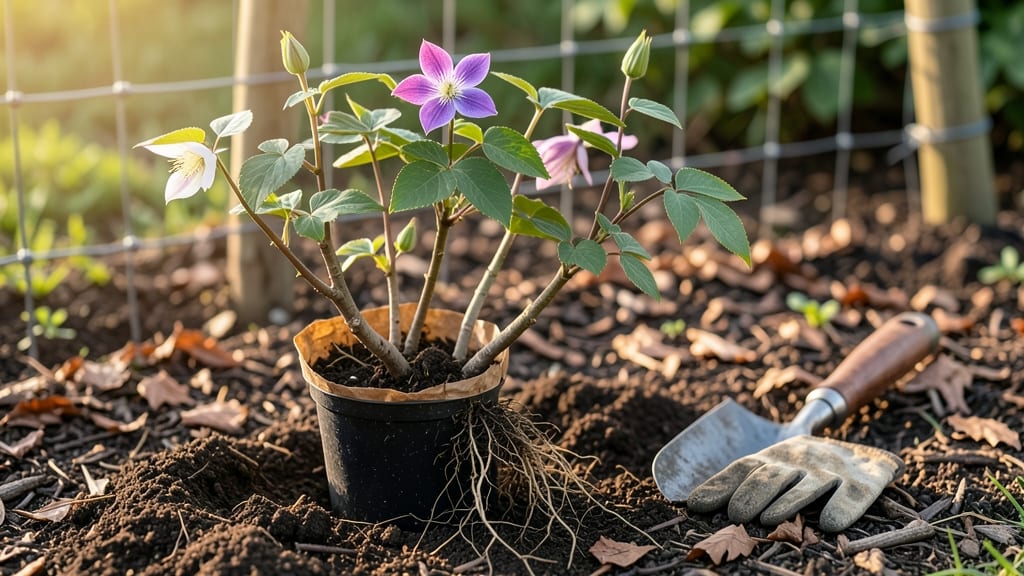
Planting your clematis at the right time in Zone 8 could be the difference between a stunning 🌸 vine that climbs effortlessly and one that struggles to take root.
Unlike some plants, clematis thrives when planted during specific windows—early spring or early fall—where soil temperatures and moisture levels align perfectly for growth.
In Zone 8, where winters are mild and summers can be intense, timing matters even more. Planting too early risks exposing young roots to unpredictable cold snaps, while waiting too long may leave your clematis fighting for nutrients as temperatures rise.
The key is understanding your local frost dates and how they influence your planting schedule.
I’ll break down exactly when to plant—whether you’re in the cooler coastal regions or the warmer inland areas of Zone 8—and how to prepare your soil and support structure for maximum success.
By the end, you’ll know the precise weeks before last frost that give your clematis the best shot at thriving.
Let’s get your clematis off to a strong start so it can reward you with vibrant blooms year after year. Whether you’re a seasoned gardener or just starting, these insights will help you avoid common mistakes and set your vine up for long-term success.
Zone 8 clematis planting timeline: exact weeks before last frost
In Zone 8, where winters are mild and summers can be scorching, timing your clematis planting is everything. The last frost date typically falls around March 15, but this can vary by 5-10 days depending on your exact location.
Planting too early risks frost damage, while waiting too late can stunt root growth before summer heat arrives. Aim for a 4-6 week window before your last frost date for best results.
Clematis thrives when planted in cool soil temperatures between 40°F and 60°F. In Zone 8, this usually means early spring (March) or early fall (September). Spring planting gives vines time to establish roots before summer, while fall planting allows roots to grow before winter dormancy.
Both windows work, but spring planting is often preferred for first-time growers.
To calculate your exact planting window, check your local USDA Zone 8 frost dates. For example, in Los Angeles, the last frost is typically January 20, while in Atlanta, it’s closer to March 15.
Plant 4-6 weeks before your local last frost date to ensure roots establish before summer heat peaks.
🌱 Zone 8 Clematis Planting Comparison
| Planting Window | Soil Temp | Root Establishment | Bloom Timing | Risk Factors |
|---|---|---|---|---|
| Early Spring (March) | 40°F-60°F | 6-8 weeks | Summer | Late frost, drought stress |
| Early Fall (September) | 50°F-65°F | 4-6 weeks | Next spring | Heat stress, insufficient root growth |
💡 Pro Tip: For Zone 8 microclimates, adjust planting by 1-2 weeks based on local conditions. Coastal areas can plant earlier, while inland zones should wait slightly longer.
If you’re planting in early spring, choose hardy clematis varieties like Clematis montana or Clematis armandii, which tolerate cooler soils better. These varieties can handle light frost and establish roots faster, reducing the risk of summer stress.
For late spring plantings, opt for heat-tolerant types like Clematis viticella or Clematis texensis.
One common mistake in Zone 8 is planting clematis too late in spring, after soil temperatures exceed 65°F. When this happens, roots struggle to establish, and vines may wilt under summer heat.
To avoid this, use a soil thermometer to monitor temperatures before planting. Aim to finish planting by mid-April for spring plantings.
For fall planting, focus on the 6-8 week window before first frost, typically September 15-October 1 in most of Zone 8. This gives roots time to grow before winter dormancy.
Mulch heavily after planting to insulate roots and retain moisture. Avoid planting after October 15, as new roots won’t have time to harden off before cold snaps.
Another critical factor is moisture levels during planting. Clematis roots need consistent moisture to establish, especially in Zone 8’s dry summers. Water deeply 2-3 times per week for the first 4 weeks after planting, then taper to weekly deep waterings.
Use drip irrigation or soaker hoses to keep soil evenly moist without wetting foliage, which can promote fungal diseases.
Finally, consider your clematis support structure before planting. Install trellises, arbors, or obelisks at the same time as planting to avoid disturbing roots later. Clematis vines grow 6-12 inches per week in ideal conditions, so a sturdy support system is essential for vertical growth.
Choose a structure that’s at least 6 feet tall to accommodate mature vines.
By following these exact weeks before last frost and adjusting for your local microclimate, your clematis will thrive in Zone 8’s unique climate. Whether you plant in spring or fall, proper timing ensures strong roots, vibrant blooms, and a vine that climbs beautifully for years to come. 🌸
Zone 8 clematis planting timeline: exact weeks before last frost
In Zone 8, where winters are mild but summers can be brutal, planting clematis at the right time ensures your vine establishes strong roots before facing heat stress.
The best windows are 6-8 weeks before your last frost date in early spring or 6-8 weeks before first frost in early fall. For most of Zone 8, this means late February to early March for spring or late September to early October for fall.
Your local last frost date is critical—aim to plant when soil temperatures reach 50°F (10°C) and stay consistent. In coastal areas like San Francisco, frost is rare, so focus on soil warmth instead.
Inland areas like Austin may experience light frosts, so monitor forecasts closely to avoid planting too early.
🌱 Zone 8 Clematis Planting Comparison
| Season | Optimal Planting Window | Soil Temp Requirement | Risk if Planted Too Early |
|---|---|---|---|
| Spring | Late Feb - Early Mar | 50°F (10°C) + | Frost damage to young roots |
| Fall | Late Sep - Early Oct | 60°F (15°C) + | Weak root growth before winter |
Spring planting gives clematis a full growing season to establish roots before summer heat arrives. However, if you miss this window, fall is your next best option—just ensure your vine has 4-6 weeks of warm soil to settle in before cooler temperatures set in.
Avoid planting in summer, as the heat stresses young plants and increases transplant shock.
Pro tip: Use a soil thermometer to confirm temperatures before planting. If soil is still cool in early spring, wait another week—your clematis will thank you with stronger growth. In Zone 8b (warmer areas), you can sometimes plant as late as mid-April, but monitor local weather patterns.
Don’t forget to account for microclimates in your area. A north-facing spot may stay cooler longer, while a south-facing bed warms up faster. Adjust your planting timeline based on where you’re installing your clematis—even within the same yard, conditions can vary by 1-2 weeks.
Once you’ve nailed the timing, focus on root establishment by keeping soil consistently moist (but not soggy) for the first 4-6 weeks
With the right timing and care, your clematis will reward you with vibrant blooms by its second year. Start with these exact weeks before last frost, and you’ll set your vine up for a lifetime of climbing success in your Zone 8 garden. 🌸