
Plants
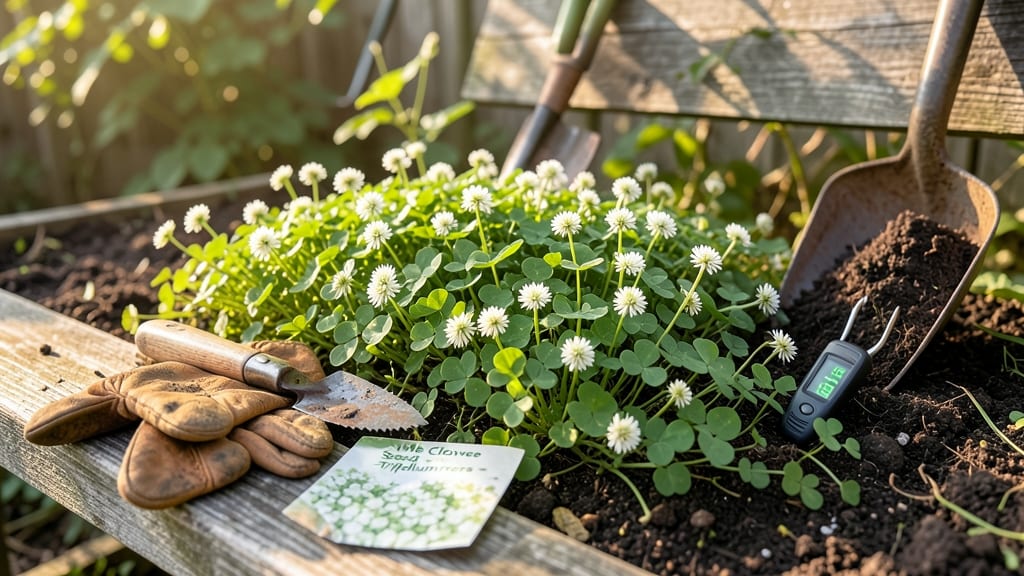
If you're wondering when to plant clover in Louisiana, timing is everything—get it wrong, and you'll deal with stunted growth or wasted seeds. Louisiana's humid climate gives clover a fighting chance, but the key is planting during the frost-free window when the soil is warm enough for germination.
Most gardeners in USDA zones 8a-9b swear by planting in September-October or February-March, avoiding the brutal summer heat or early winter frosts. This timing ensures your clover thrives as a cover crop or lawn enhancement, whether you're in New Orleans or Shreveport.
Why does timing matter so much? Clover loves well-drained soil and cooler temperatures, so planting too early in spring or late fall can lead to poor establishment.
I'll walk you through the best months, soil prep, and even how to adjust for Louisiana's microclimates—so you can grow a lush, healthy patch every time.
Ready to skip the guesswork? Let’s dive into the exact steps to plant clover at the perfect moment for your Louisiana garden—no more wasted seeds or weak growth. You’ll learn how to prep your soil, choose the right variety, and keep your clover thriving year-round.
Louisiana’s ideal clover planting window: frost dates & microclimate variations
Louisiana’s humid subtropical climate gives clover a fighting chance year-round, but timing matters. The frost-free window spans 240-300 days, with last frosts typically around January 15 in northern regions and December 1 in southern areas. This creates two prime planting windows: early fall (September-October) and late winter (February-March).
For cover crops, fall planting is ideal—seeds germinate in warm soil while avoiding summer’s brutal heat. Spring planting works too, but clover may bolt faster in Louisiana’s 90°F+ temperatures. Microclimates matter: Urban areas stay warmer than rural zones, so adjust planting dates accordingly.
Clover varieties have different heat tolerances. White Dutch clover thrives in USDA zones 8-10 and handles summer heat better than crimson clover, which prefers cooler fall planting. Subterranean clover is a good spring option but struggles with Louisiana’s humidity.
Here’s how Louisiana’s regions differ:
| Region | USDA Zone | Best Planting Window | Key Consideration |
|---|---|---|---|
| North LA (Shreveport) | 8a | Sep 15-Oct 15 | Later frost risk; use cold-hardy varieties |
| Central LA (Baton Rouge) | 8b | Sep 1-Oct 30 | Balanced heat/humidity; ideal for mixed plantings |
| South LA (New Orleans) | 9a | Aug 15-Oct 15 | Extended growing season; watch for summer bolting |
| Spring Planting (All Regions) | 8a-9b | Feb 15-Mar 15 | Soil must be 60°F+; irrigate daily until established |
For lawn enhancement, I recommend white Dutch clover in fall—it establishes before winter rains begin. In urban microclimates (like New Orleans’ French Quarter), plant 1-2 weeks earlier to account for heat islands. Always check your local cooperative extension service for real-time frost alerts—they’re your best friend when planning.
Pro tip: Seed depth matters. In Louisiana’s heavy clay, plant clover seeds ¼ inch deep—no deeper, or they’ll rot. Use a broadcast spreader for even coverage, especially in large pastures or cover crop mixes. After planting, roll the soil lightly to ensure seed-to-soil contact.
Watch for summer bolting if you plant too early. Crimson clover, for example, may flower prematurely in June heat.
To prevent this, use shade cloth during peak summer or stick to fall planting for reliable results. Subterranean clover is the exception—it handles summer better but needs well-drained soil to avoid fungal issues.
Timing also affects harvest windows. Fall-planted clover typically blooms March-May, while spring plantings may flower as early as June. If you’re growing clover for honey production, aim for late winter plantings—bees thrive in Louisiana’s mild winters, and early blooms mean longer nectar flows.
Remember: Louisiana’s humidity means clover seeds can mold if planted in soggy soil. Always wait for 24-48 hours of dry weather after rain before sowing. For pasture mixes, combine clover with ryegrass or fescue to improve establishment and soil stability.
Finally, track your local rainfall patterns. Southern Louisiana gets 60+ inches annually, while northern areas average 50 inches. Adjust irrigation accordingly—overwatering is just as harmful as underwatering for clover roots. Drip irrigation works best in clay-heavy soils.
🌱
Louisiana’s ideal clover planting window: frost dates & microclimate variations
Louisiana’s USDA zones 8a-9b offer two prime windows for planting clover: late summer/fall and early spring. The frost-free window spans roughly 240-300 days, but timing matters—plant too early, and summer heat will stress seedlings; too late, and winter frosts may kill young plants.
For most of Louisiana, September-October is ideal—after the last summer heat wave but before winter rains arrive. This aligns with white Dutch clover and crimson clover varieties, which thrive in cooler soil temperatures (60-70°F). Northern Louisiana (e.g., Shreveport) may shift planting to August-September due to earlier frosts.
| Region | Ideal Planting Window | Key Variety | Soil Temp Goal |
|---|---|---|---|
| North LA (Shreveport) | August 15 - September 15 | Crimson Clover | 60-68°F |
| Central LA (Baton Rouge) | September 1 - October 15 | White Dutch Clover | 65-70°F |
| South LA (New Orleans) | September 15 - October 30 | Subterranean Clover | 68-72°F |
Microclimates play a huge role—urban areas like New Orleans stay warmer longer, while rural zones near the Mississippi River may experience earlier frosts. Adjust planting dates 2-3 weeks earlier in cooler microclimates (e.g., elevated gardens or shady spots).
Spring planting (February-March) works for subterranean clover, which tolerates slightly warmer soil (70-75°F). However, avoid planting after March 15 in northern Louisiana, as summer heat arrives quickly, causing seed dormancy.
Pro tip: Use a soil thermometer to confirm soil temps are 60°F+ before planting—this prevents seed rot in Louisiana’s humid climate. For cover crops, aim for 4-6 weeks before the first frost to establish roots before winter.
🌱