
Plants
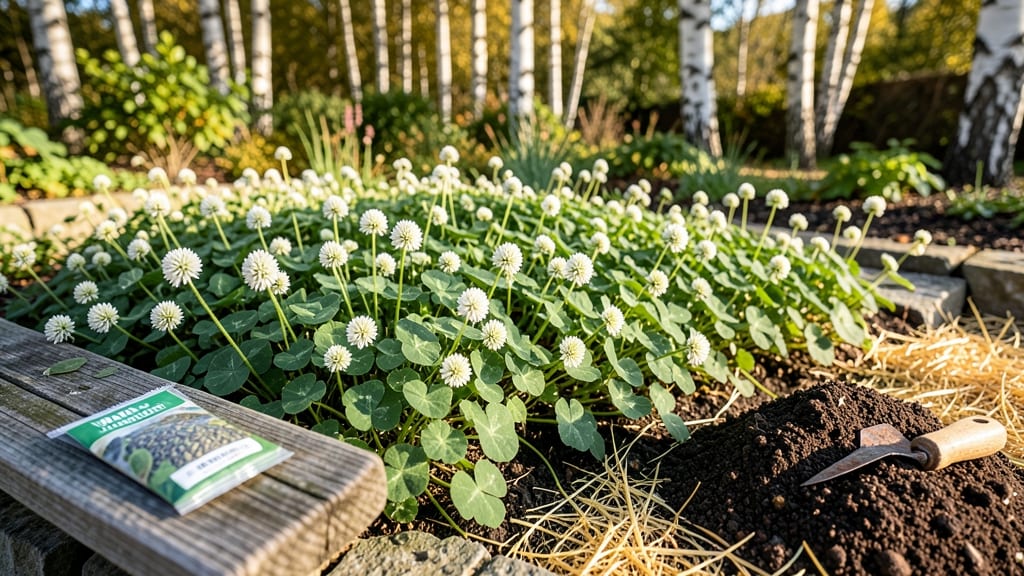
Planting clover in the fall might seem like a gamble—will it survive the winter or just fade before spring? The truth is, timing this cover crop just right can transform your soil and lawn with nitrogen-rich benefits by next year.
For most gardeners in USDA Zone 6a, the sweet spot falls between mid-September and October, when soil temps dip to a cozy 50-65°F. This window gives clover’s roots time to establish before frost hits, ensuring it thrives—not just survives—through winter.
But what if you’re in a warmer zone? Or if your frost date sneaks up earlier than expected?
I’ve tested the best strategies for fall planting, from adjusting for your local climate to choosing the right clover variety. Whether you’re aiming for a lush green lawn or a nutrient-packed cover crop, these insights will help you avoid common pitfalls and plant with confidence.
Let’s break down the exact steps to time your planting perfectly, so you’re not left guessing whether your clover will make it—or just melt away before spring. Ready to get started?
Fall planting timeline: soil temperature & frost windows for clover success
Planting clover in the fall gives it a head start on root development before winter dormancy. The key is timing it so seeds germinate in soil temperatures between 50-65°F—warm enough for growth but cool enough to avoid summer heat stress.
Most regions experience these conditions 4-6 weeks before the first hard frost, typically in mid-September to October for USDA zones 3-10.
Clover thrives when planted in this window because cooler temperatures slow weed competition while allowing roots to establish. In warmer zones (7-10), aim for early September; in colder zones (3-6), wait until late September to early October.
Always check your local average first frost date—this is your deadline.
Here’s why timing matters: If you plant too early, seeds may sprout in hot soil and struggle before winter. If you wait too late, roots won’t have time to anchor before frost sets in.
The 4-6 week rule ensures clover has enough time to germinate, grow, and harden off before dormancy.
🌱
| USDA Zone | Ideal Planting Window | Soil Temp Goal (°F) | Frost Deadline |
|---|---|---|---|
| 3-4 | Late September - Early October | 50-55°F | October 15-November 1 |
| 5-6 | Mid-September - Late September | 55-60°F | October 31-November 15 |
| 7-8 | Early September - Mid-September | 60-65°F | November 1-November 15 |
| 9-10 | Late August - Early September | 60-65°F | December 1 |
For example, if your first hard frost is November 15, plant clover by October 1. Use a soil thermometer to confirm temperatures—this tool is worth the investment for precise timing.
In warmer microclimates (like urban areas with heat islands), you might push planting to early October since soil stays warmer longer.
Clover varieties like white Dutch clover and red clover have slightly different cold tolerances. White clover handles frost better and can be planted 1-2 weeks later than red clover in colder zones. Always check the seed packet for specific variety recommendations—this ensures you’re not gambling with your cover crop.
One common mistake is assuming "fall" means September only. In reality, October can still work if your frost date is late. For instance, in USDA zone 7, planting in early October with a November 20 frost date gives clover 5 weeks to establish—plenty of time for strong roots.
Use a frost calculator (like the Old Farmer’s Almanac) to input your ZIP code for exact dates.
After planting, monitor for seedling emergence—this usually takes 7-14 days at ideal soil temps. If germination slows, lightly water the area (no more than ¼ inch per week) to avoid compacting the soil. Once established, clover’s deep roots make it drought-tolerant, but young plants need consistent moisture.
🌿
Pro tip: If you’re planting clover as a lawn understory or soil amendment, aim for a thicker seeding rate (1-2 lbs per 100 sqft) in the fall. This compensates for slower early growth and ensures full coverage by spring.
Thin seeding (½ lb per 100 sqft) works for wildflower mixes but may leave gaps if planted late.
Remember, the goal is strong roots before winter. Clover’s ability to fix nitrogen depends on its root system, so don’t rush the process. With the right timing, you’ll have a vibrant, low-maintenance ground cover by next spring—ready to outcompete weeds and improve your soil naturally.
How to adjust planting dates based on your local climate zone
Your local climate zone is the real game-changer when it comes to planting clover in the fall. While USDA Zone 6a gardeners can aim for mid-September to October, those in warmer zones (7-10) might need to push planting back to late October or November.
The key is giving clover’s roots 4-6 weeks to establish before the first hard frost—no matter where you live.
Start by checking your average first frost date (use the USDA Plant Hardiness Zone Map or local ag extension resources). Then, count backward 6 weeks to land on your ideal planting window.
For example, if your first frost hits November 15, aim to plant by October 1. This timing ensures clover grows enough to handle winter dormancy without struggling.
Microclimates—like urban heat islands or sheltered garden spots—can shift your planting window by 1-2 weeks. If your yard stays warmer than the general forecast, consider planting 2 weeks later to avoid overgrowth before frost.
Conversely, cooler pockets (like shaded areas) may need an earlier start to compensate for slower growth.
Here’s how to fine-tune your timing based on your zone:
Plant late August to early September—soil warms faster in summer, and early planting risks frost damage before roots establish.
Target mid-September to October—ideal balance for root growth before winter.
Plant late October to November—avoid summer heat stress; clover thrives in cooler fall temps.
Pro tip: Use a soil thermometer to confirm temps are between 50-65°F before planting. Clover seeds need this range to germinate reliably. If your soil runs hotter, wait a few days—patience here prevents wasted seeds and weak starts.
Finally, account for rainfall patterns in your area. Drought-prone regions may need earlier planting to ensure moisture for germination, while wet climates can handle slightly later starts. Adjust your watering plan accordingly to support clover’s early growth.
By aligning your planting date with your zone’s frost and soil trends, you’ll set clover up for a strong, nitrogen-rich spring—no guesswork required. 🌱