
Plants
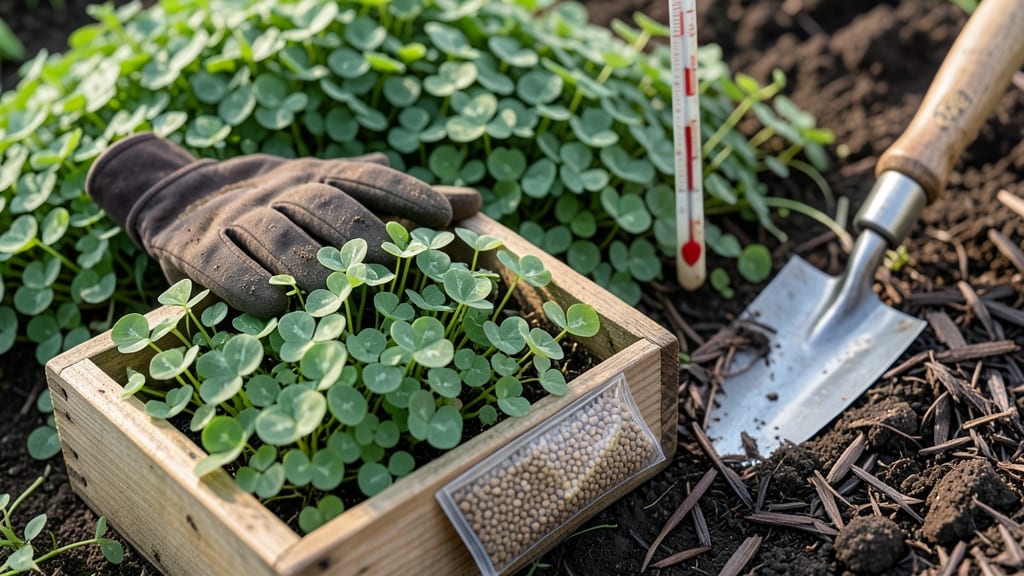
Timing your clover planting in Minnesota can make the difference between a thriving green cover and wasted seeds struggling against frost. With USDA zones 3-5 bringing early springs and chilly falls, knowing when to sow 🌱 clover ensures fast establishment and long-term success.
Many gardeners assume spring is the only option, but fall planting often gives clover a head start by avoiding summer heat stress. The key lies in understanding your region's last frost date—typically mid-May—and planning accordingly for either early April or September sowing.
Whether you're aiming for pollinator-friendly gardens, erosion control, or a nitrogen-rich lawn, proper timing is everything. I’ll break down the best windows for Minnesota’s climate, plus pro tips to help your clover take root quickly and outcompete weeds.
Ready to transform your yard? Let’s dive into the fastest ways to establish clover in Minnesota’s challenging growing seasons—without the guesswork.
Best planting times for clover in Minnesota’s climate zones
Minnesota’s USDA zones 3-5 create unique challenges for planting clover, but understanding your microclimate is key to success. The Twin Cities (Zone 4b) and northern regions like Duluth (Zone 3b) have different frost dates, so timing matters.
Most gardeners agree that early spring (April) or early fall (September) are the best windows, but soil temperatures and moisture play critical roles.
For white clover, Minnesota’s most popular variety, aim to plant when soil temps reach 50°F (10°C)—typically late April to early May in southern MN.
Northern areas may need to wait until late May to avoid frost damage. Red clover, often used for erosion control, prefers cooler soils and can be seeded as early as March in southern zones, but wait until April in colder regions.
| Region | Best Spring Planting | Best Fall Planting | Soil Temp Threshold |
|---|---|---|---|
| Southern MN (Zone 4b) | Late April - Early May | Mid-September | 50°F (10°C) |
| Twin Cities (Zone 4a) | Early May | Late August - Early Sept | 45°F (7°C) |
| Northern MN (Zone 3b) | Late May | Early September | 40°F (4°C) |
Fall planting is equally critical, with September being ideal for most of Minnesota. Seed 4-6 weeks before the first frost (typically mid-October) to allow roots to establish before winter.
In Zone 3 areas, aim for early September to avoid early frosts. Alsike clover, less common but drought-tolerant, thrives when planted in late August for a fall harvest of seeds.
Regardless of season, moisture consistency is non-negotiable. Clover seeds need 1-2 inches of water weekly during germination, which can be challenging in Minnesota’s dry springs or wet falls.
Use a soil moisture meter to check depth—seeds should never dry out completely. In sandy soils (common in western MN), water more frequently to prevent crusting.
One common mistake Minnesota gardeners make is planting too early in spring, when soils are still cold and wet. This delays germination by 2-3 weeks and invites fungal diseases. Instead, wait until you can dig 6 inches deep without hitting frozen soil.
For pasture mixes, combine clover with orchard grass or timothy to improve establishment rates in cooler zones.
If you’re overseeding an existing lawn, late summer (August) is your best bet. The heat stress on turfgrass weakens competition, giving clover a better chance to take hold. Just be sure to mow low (1.5 inches) before seeding to expose soil.
In shady lawns, white clover outperforms other varieties due to its partial shade tolerance, but still plant in spring for best results.
For pollinator gardens, red clover is a top choice, but time planting to early June to ensure blooms appear by July. The bees love it, but avoid planting near vegetable gardens—clover can cross-pollinate with legumes.
In erosion-prone areas, mix clover with ryegrass for faster ground cover, and plant in fall to prevent winter runoff.
Always check your local frost dates using the MN State Climatology Office for precise timing. A 1-2 week buffer on either side of the recommended windows gives your clover the best chance to thrive in Minnesota’s unpredictable weather.
With the right timing, you’ll have a lush, nitrogen-rich lawn or pasture in just 6-8 weeks! 🌱
Spring vs. fall planting: which works better for Minnesota clover?
Deciding between spring or fall planting for clover in Minnesota depends on your goals and local climate. Both seasons have advantages, but fall often gives clover a competitive edge by avoiding summer weeds and heat stress.
Let’s weigh the pros and cons to help you choose the best approach for your yard.
For spring planting, aim for early April when soil temperatures reach 45-50°F. This timing aligns with Minnesota’s last frost date (mid-May) and gives clover time to establish before summer heat arrives. However, spring planting risks weed competition and requires consistent moisture during dry spells.
Fall planting, on the other hand, offers cooler soil and fewer weeds. Plant 4-6 weeks before the first frost (around September) to allow roots to establish before winter. This method often results in faster germination and stronger plants the following spring.
Here’s a quick comparison to help you decide which season suits your needs best:
Spring Planting
- Pros: Longer growing season ahead
- Easier to monitor watering
- Good for new lawns
- Cons: Weed competition
- Drought risk in summer
- Slower establishment
Fall Planting
- Pros: Fewer weeds
- Cooler soil for germination
- Faster spring growth
- Cons: Shorter window for planting
- Requires frost protection
- Less time for root growth
If you’re overseeding an existing lawn, fall planting is often the winner due to reduced competition. For new plantings or larger areas, spring planting might be more manageable with proper weed control and irrigation.
Regardless of season, prepare your soil by loosening the top 2-3 inches and adjusting the pH to 6.0-7.0 for optimal clover growth. This step is critical for both planting strategies to ensure your seeds get the best start.
For Minnesota gardeners, fall planting usually wins for long-term success, but spring can work if you’re proactive about weed control and watering. Choose the method that fits your schedule and local conditions!
🌱