
Plants
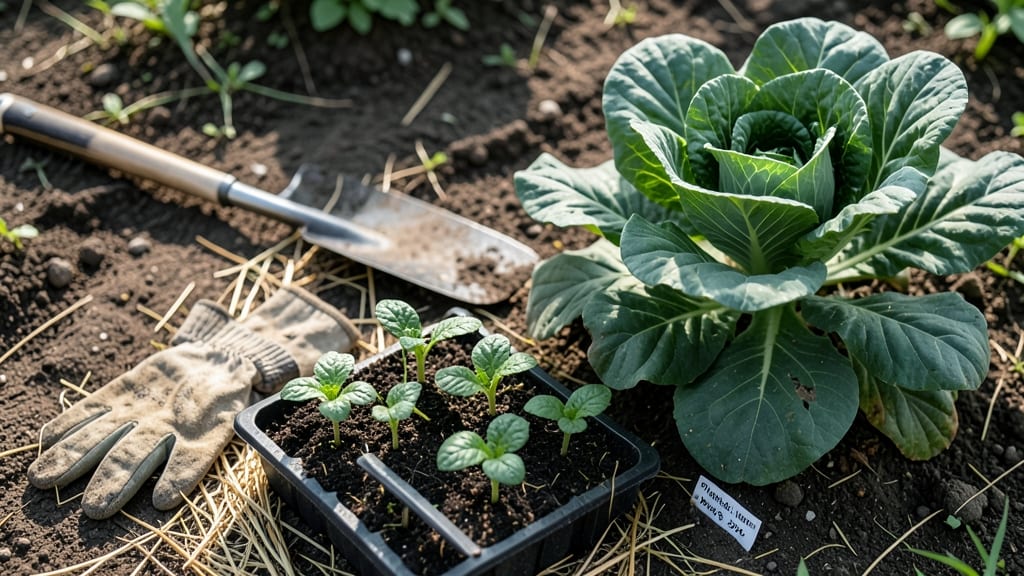
If you’ve ever wondered when to plant collards in Florida to avoid bitter, bolted greens in the heat, timing is the secret weapon you’ve been missing. Planting collards at the wrong time—like smack dab in July—can turn your garden into a sad, wilted mess instead of a leafy green powerhouse.
Here’s the good news: Florida’s frost-free zones mean you can grow collards year-round, but the key is working with—not against—the climate. I’ll break down the exact months to plant for sweet, tender harvests, plus which heat-resistant varieties actually thrive when most gardeners give up.
Whether you’re in the Panhandle’s cooler microclimates or South Florida’s steamy summers, these strategies will help you avoid the 3 biggest mistakes Florida gardeners make. Let’s get those collards growing right—no more guesswork, just delicious results.
Ready to turn your garden into a collard patch that keeps producing through fall, winter, and even spring? The first step is planting at the right time—and I’ve got the Florida-specific schedule you need to succeed.
Best planting months for collards in Florida (by region & climate zones)
Florida’s climate zones—from the frost-prone Panhandle (Zone 8a) to the tropical South (Zone 10a)—create unique windows for planting collards. Unlike northern states, Florida’s frost-free winters in most regions mean you can grow collards year-round, but timing matters for flavor and yield.
The ideal planting months shift based on heat tolerance and regional microclimates.
In North Florida (Zone 8a), where rare frosts can occur, focus on fall (September–November) and early spring (February–March). These months avoid extreme heat while maximizing cooler temperatures that sweeten collard leaves.
Meanwhile, Central Florida (Zone 9a) and South Florida (Zone 10a) can plant year-round, though summer heat requires extra care.
Here’s a region-specific breakdown of when to plant collards in Florida, including adjustments for heat-sensitive growth:
| Region | USDA Zone | Best Planting Months | Avoid Planting | Key Tip |
|---|---|---|---|---|
| North Florida | 8a | September–November February–March |
May–July (peak heat) | Use row covers for early spring to protect from late frosts. |
| Central Florida | 9a | Year-round (with caution) | June–August (extreme heat) | Plant in partial shade during summer; use shade cloth. |
| South Florida | 10a–11 | Year-round (best: Sept–Nov, Feb–March) | None (but growth slows in peak summer) | Prioritize morning watering to prevent bolting. |
For North Florida gardeners, the fall planting window (September–November) is critical. Seeds sown in late September will mature by November, just before temperatures drop too low.
In Central and South Florida, you can plant collards in August with shade cloth, but expect slower growth until cooler weather arrives in October.
Spring planting in Florida is less risky than in northern states. Start seeds indoors in January for transplants by February, or direct-sow in March for a harvest by May.
The key is avoiding the dog days of summer (June–July), when temperatures above 90°F cause collards to bolt or develop bitter flavors.
If you’re in South Florida (Zone 10a), you can technically plant collards in every month, but focus on September–November for the sweetest leaves. Use drip irrigation and mulch to retain moisture during dry spells, even in the "off-season."
Pro tip: In North Florida, where rare frosts can occur, wait until soil temperatures drop below 85°F in fall to plant. Use a soil thermometer to monitor—ideal planting temps are 60–75°F. In warmer zones, prioritize morning sun and afternoon shade to prevent heat stress.
For continuous harvests, stagger plantings every 2–3 weeks from September through November. This ensures a steady supply of tender leaves without overwhelming your garden at once. In spring, repeat the process with February–March plantings for a summer harvest.
Remember: Collards thrive in cool weather, but Florida’s heat isn’t a deal-breaker with the right varieties and care. Next, we’ll explore the top heat-tolerant collard varieties that perform best in Florida’s climate—including some that can handle summer planting with minimal stress.
Best planting months for collards in Florida (by region & climate zones)
Florida’s three distinct climate zones—North (Zone 8a), Central (Zone 9a), and South (Zone 10a)—mean your best planting months for collards will vary slightly. While you can grow collards year-round in most of Florida, timing directly impacts flavor, growth speed, and yield.
Let’s break down the ideal windows for each region to avoid bitter, heat-stressed plants.
For North Florida (Zone 8a), where cooler temperatures linger longer, the prime planting window is September through November for a fall harvest, followed by February and March for spring. These months provide cooler soil temperatures (60-75°F) that prevent bolting.
Even though frost is rare, a late December chill can stress young plants, so avoid planting after mid-January.
| Region | Best Planting Months | Harvest Window | Key Considerations |
|---|---|---|---|
| North Florida (Zone 8a) | September–November, February–March | October–December, April–May | Cooler nights; avoid summer heat (May–July) |
| Central Florida (Zone 9a) | August–September, January–February | September–December, March–April | Use shade cloth for August plantings; humidity spikes in summer |
| South Florida (Zone 10a) | July–August, December–January | August–November, February–March | Year-round growth possible; prioritize morning watering |
In Central Florida (Zone 9a), the ideal planting months shift slightly earlier to August–September for fall harvests and January–February for spring. August plantings benefit from the lingering summer heat but require shade cloth (30-50%) to prevent bolting.
If you’re ambitious, you can also try December plantings for a late-winter harvest, but monitor for humidity-related fungal risks.
For South Florida (Zone 10a), where temperatures rarely drop below 60°F, collards can technically be planted any month. However, the sweet spot is July–August (with shade) and December–January to align with natural rainfall patterns.
Avoid planting in April–June unless you’re using heat-tolerant varieties and aggressive shade solutions—otherwise, you’ll end up with bitter, stringy leaves.
Pro tip: Succession planting every 2–3 weeks during your region’s ideal window ensures a continuous harvest. For example, in North Florida, stagger plantings from September 1–October 15 to enjoy fresh collards through December and January. This strategy works equally well in Central and South Florida with adjusted timing.
Remember, Florida’s humidity and heat are your biggest challenges—not frost. The goal is to keep soil moist, provide afternoon shade during summer, and choose the right varieties for your microclimate. Next, we’ll dive into the top heat-resistant collard varieties that actually thrive in Florida’s summer conditions—no bitter surprises here!