
Plants
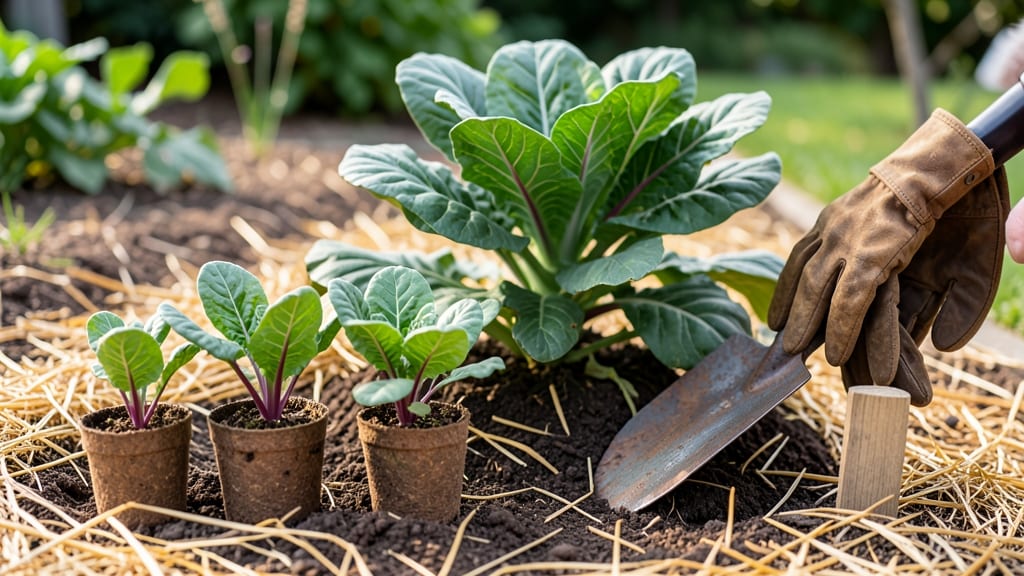
If you’ve ever wondered why your 🥬 collards bolt too early or wilt in summer heat, the answer lies in South Carolina’s unique planting windows. Timing isn’t just about avoiding frost—it’s about leveraging the state’s Zone 7B-8A climate to grow sweeter, hardier greens year-round.
Most gardeners in SC plant collards twice a year, but the perfect timing depends on your county’s microclimate.
Whether you’re in Charleston’s coastal warmth or Greenville’s cooler hills, knowing when to sow seeds (like late February or August) makes all the difference between a bumper crop and a sad, stunted plant.
Here’s the game-changer: succession planting lets you harvest collards from fall through spring without gaps. I’ll show you exactly how to stretch your harvest, avoid common mistakes, and even use row covers to beat early frosts—so you’re never left without fresh greens.
Ready to grow collards that thrive? Let’s dive into the exact planting dates and pro tips tailored for SC’s climate, so you can enjoy homegrown greens all season long.
South Carolina collard planting calendar: exact dates by frost zone 7B-8A
Timing your collard planting in South Carolina depends on your USDA Zone (7B-8A) and whether you're aiming for a spring or fall harvest. The key is avoiding frost damage while maximizing your growing season.
Charleston's coastal microclimate (Zone 8A) has slightly later frost dates than inland areas like Columbia (Zone 7B), so adjust accordingly.
For spring plantings, start seeds indoors 6-8 weeks before your average last frost date (mid-March for most of SC). Transplant seedlings outdoors once soil temperatures reach 50°F—typically late February to early March. This gives your collards time to mature before summer heat sets in.
Fall is the best time to plant collards in SC, as they thrive in cool weather and even tolerate light frosts. Aim to plant 8-10 weeks before your first frost (mid-November), which means August to early September for most regions. This timing ensures a harvest before winter sets in.
Use this frost-date calculator as your guide: subtract 60 days from your first frost date for fall plantings or add 4-6 weeks to your last frost date for spring. For example, if your first frost is November 15, plant by September 5 for a fall crop.
| Planting Window | Best Varieties | Key Considerations |
|---|---|---|
| Late February - Early March (Spring) | 'Georgia Southern', 'Top Bunch' | Soil temp ≥50°F; avoid summer heat |
| August - Early September (Fall) | 'Vates', 'Blue Max' | 8-10 weeks before frost; tolerates light frost |
| Late Summer (Succession) | 'Champion' | Plant every 2-3 weeks for continuous harvest |
If you're in Zone 8A (like Charleston), you can push your spring planting slightly later—even into early April—since your frost dates are delayed. Conversely, Zone 7B gardeners (like those in Columbia) should plant spring collards by late February to avoid heat stress.
Always check your local extension office for precise frost dates.
For fall plantings, August is ideal in most of SC, but coastal areas can extend this to early September. The goal is to establish strong plants before temperatures drop below 40°F. Use row covers if late-season warmth lingers to protect young plants from unexpected cold snaps.
Pro tip: Direct-sow collards in fall for the easiest harvest. They germinate best in 60-70°F soil, so wait until late summer heat subsides. For spring, start seeds indoors to give them a head start before transplanting outdoors.
Remember, collards are cool-season crops, so they’ll bolt (go to seed) if exposed to consistent temperatures above 80°F. In SC’s Zone 7B-8A, this means avoiding summer plantings entirely. Plan your schedule around spring and fall windows to keep your plants happy and productive.
Once you’ve locked in your planting dates, focus on soil prep—collards thrive in well-draining, slightly acidic soil (pH 6.0-6.8). Amend your garden beds with compost and a balanced fertilizer (10-10-10) before planting to give your collards the nutrients they need to flourish.
With the right timing, you can enjoy fresh collards from fall through spring, making them a year-round staple in your SC garden. 🥬
How to extend your collard harvest: succession planting for SC’s climate
Succession planting is my secret weapon for year-round collard harvests in South Carolina’s Zone 7B-8A climate. Instead of planting once and hoping for the best, I use three strategic plantings—fall, winter, and early spring—to ensure fresh greens from October through May.
This method works especially well for heat-tolerant varieties like ‘Georgia Southern’ or ‘Top Bunch,’ which handle SC’s summer humidity better than others.
The key is spacing out your plantings by 4-6 weeks to stagger maturity. Start your first batch in late August for a fall harvest, then follow with early October and late November plantings.
Each wave gives you 6-8 weeks of harvest before the next one takes over, creating a seamless supply. For spring, I plant again in late February to catch the tail end of winter and early spring harvests.
Here’s how I do it: I use row covers (like Reemay fabric) to protect winter plantings from light frosts down to 20°F. This lets me plant as late as mid-November in Greenville’s cooler microclimate or even early December in Charleston’s milder coastal zone.
The covers also shield young plants from dew and slugs, which love tender collard leaves.
- 📅 Late August: First fall planting for October-November harvest (use heat-tolerant varieties).
- 📅 Early October: Second planting for December-January harvest (protect with row covers).
- 📅 Late November: Third planting for February-March harvest (use cold-hardy types like ‘Vates’).
- 📅 Late February: Spring planting for April-May harvest (avoid planting too early—frost risk!).
Soil prep is critical for succession planting. I always amend beds with compost before each planting to ensure nutrient-rich soil. Collards are heavy feeders, so I mix in aged manure or a balanced 10-10-10 fertilizer at planting time.
For winter plantings, I add a 2-inch layer of mulch (like straw) to insulate roots and retain moisture—SC’s winter rains can be unpredictable!
One common mistake I see is overcrowding plants when succession planting. Space seeds 12-18 inches apart in rows 2 feet apart to allow airflow and prevent disease. Thin seedlings to 12 inches apart once they’re 3-4 inches tall, and use the thinnings in salads or stir-fries.
This not only saves space but also gives you extra greens for your kitchen.
Finally, don’t forget to harvest regularly to encourage continuous growth. I pick outer leaves first, leaving the inner growth point intact. This method keeps plants producing for weeks longer than if you cut the whole plant.
With this approach, I’ve had collards on my table from October through May—no gaps, no stress, and no wasted effort!