
Plants
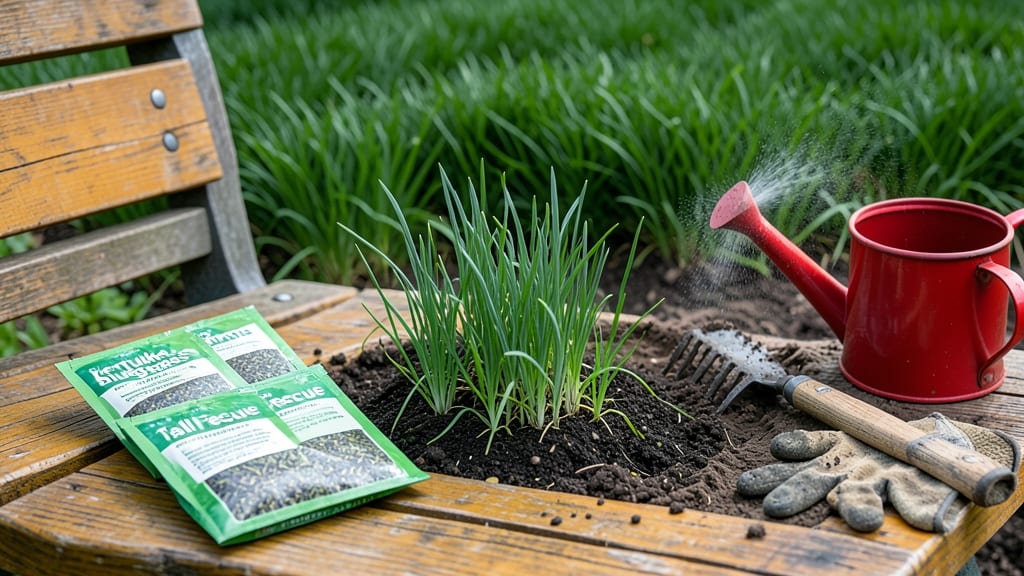
Timing your cool season grass planting just right in spring could mean the difference between a lush, green lawn and a patchy, struggling mess. Whether you're establishing a new yard or overseeding an old one, getting the window perfect ensures fast germination and strong roots before summer heat sets in.
In Zone 6 (like most of the U.S.), the ideal moment arrives 4-6 weeks before your last frost date—typically March or early April. But here's the catch: soil temperature matters more than the calendar.
Planting too early when the ground is still chilly can stall growth, while waiting too late risks summer heat stress.
I’ll walk you through the exact soil temp ranges (50°F–65°F) that trigger germination, plus how to adjust for your region. No more guessing—just a clear, actionable checklist to time your planting for maximum success.
Ready to transform your lawn? Let’s dive into the fastest way to plant cool season grass this spring without the common mistakes that hold most gardeners back.
Optimal soil temperature ranges for cool season grass germination in spring
Cool-season grasses like Kentucky bluegrass, tall fescue, and ryegrass thrive when planted at the right soil temperature—typically between 40°F and 65°F. This range ensures fast germination and strong root development before summer heat arrives.
If you plant too early, seeds may rot in cold, wet soil. Too late, and your grass struggles to establish before drought or heat stress sets in.
Most cool-season grass seeds germinate best when soil temperatures hover around 50°F to 65°F. For example, Kentucky bluegrass germinates fastest at 60°F to 65°F, while tall fescue tolerates slightly cooler soils down to 50°F.
Understanding these thresholds helps you avoid common mistakes like planting when the ground is still too cold or waiting until it’s too hot.
Regional differences matter too. In the Northern U.S. (Zones 2-5), soil warms slowly in spring, so aim for planting 4-6 weeks before your last frost date.
In the Southern U.S. (Zones 7-10), where winters are mild, you can plant as early as February, but avoid planting when soil temperatures exceed 70°F, as germination slows dramatically.
To check your soil temperature, use a soil thermometer (available for ~$10) or monitor local weather reports for 5-inch soil temperature readings. Many extension services, like the USDA Plant Hardiness Zone Map, provide soil temperature data by region.
For example, in Zone 6, soil temps typically reach the ideal range by mid-to-late March, while in Zone 8, it’s often February.
If your soil is too cold (below 40°F), wait 1-2 weeks or use a seed starter mat to warm the soil. Conversely, if temps exceed 70°F, delay planting until fall when conditions cool down.
Pro tip: Morning soil temperatures are usually 5-10°F cooler than afternoon readings—plant in the morning for the most accurate gauge.
Here’s a quick rule of thumb: Cool-season grasses germinate best when daytime highs are consistently in the 60s°F. If your local forecast shows highs above 75°F for more than a few days, hold off until fall.
This timing ensures your grass gets the 6-8 weeks of cool weather it needs to establish before summer dormancy kicks in.
🌱
Once you’ve confirmed your soil is in the ideal range, prepare your lawn by raking out debris and leveling low spots. Loosen the top 1/4 inch of soil with a rake or aerator to ensure good seed-to-soil contact, which is critical for germination.
After planting, keep the soil consistently moist (not soggy) by watering lightly 2-3 times daily until seeds sprout.
If you’re overseeding an existing lawn, mow the grass short (1–1.5 inches) a day or two before planting to improve seed contact. Then, lightly rake the area to create small furrows for seeds to nestle into.
This step alone can double your germination rate by ensuring seeds aren’t just sitting on top of compacted soil.
Remember, cool-season grasses grow best in full sun (6+ hours daily), so choose a planting window when your lawn receives ample sunlight. If your area has late spring frosts, opt for a shade-tolerant variety like fine fescue to reduce stress on young seedlings.
✂️
Spring planting timeline by US hardiness Zones (with frost date guide)
Your local USDA hardiness zone and last frost date are the two most critical factors for timing cool-season grass planting in spring. In Zones 2-5, where winters are harsh, aim to plant 4-6 weeks before your last frost—usually late March to early April.
Meanwhile, gardeners in Zones 6-10 can start slightly earlier, as milder winters mean frost arrives later.
For example, if your last frost is April 15 (like in Zone 6), your ideal planting window opens around March 1. But don’t just rely on the calendar—check your soil temperature first. Cool-season grasses like Kentucky bluegrass and fescue need soil between 50°F and 65°F to germinate properly.
Here’s how to adjust your timing based on your zone and frost risk. Use this as your spring planting