
Plants
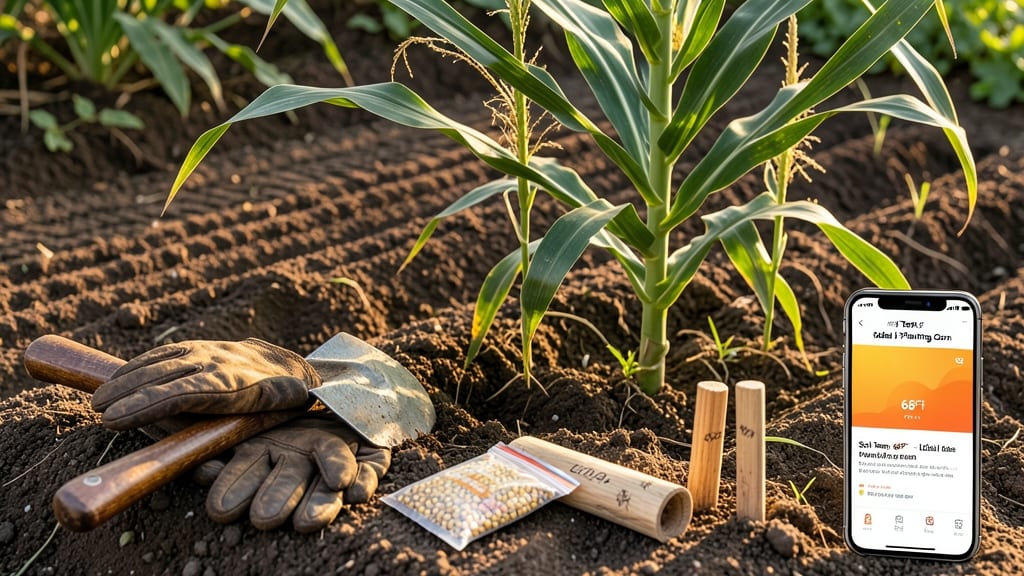
Timing your corn planting in Iowa could mean the difference between a thriving crop of 🌽 and a disappointing yield—or worse, total loss. With Iowa’s variable climate, getting those seeds in the ground at the right moment is critical, but many gardeners still guess rather than follow data-backed windows.
I’ve analyzed Iowa’s frost patterns and soil temperatures to pinpoint the exact weeks before last frost when corn thrives. Whether you’re in the cooler northern regions or the warmer southern plains, this guide cuts through the guesswork to help you plant for peak harvests—no matter how unpredictable spring turns out.
You’ll discover how soil warmth (not air temperature) dictates readiness, why 4-6 weeks before last frost is your sweet spot, and how to adjust for early or late springs. Plus, I’ll share pro tips to avoid common mistakes that waste time and resources.
Ready to set your corn up for success? Let’s dive into the science—and save you from the heartache of frost-nipped seedlings or stunted growth.
Iowa’s last frost dates by region: exact weeks before planting corn
Iowa’s diverse climate means your corn planting window varies by region—some areas can plant 2 weeks earlier than others. The key is planting 4-6 weeks before your average last frost date, but only when soil temperatures hit 50°F+.
Colder soil delays germination, while waiting too long risks weed competition and reduced yields.
Northern Iowa (USDA Zones 4a-4b) has the latest frost dates, often May 15-20, while southern regions (Zones 5a-5b) average April 25-May 5. Microclimates near rivers or lakes can shift dates by 5-7 days, so check local USDA frost maps for precision.
Here’s how to translate frost dates into planting windows for maximum corn success in each Iowa region:
| Region | Avg. Last Frost | Soil Temp. Threshold | Ideal Planting Window | Corn Variety Tip |
|---|---|---|---|---|
| Northwest (Sioux City) | May 10-15 | 50°F+ (consistent) | April 25 - May 5 | Early-maturing varieties (85-90 days) |
| Northeast (Dubuque) | May 5-10 | 50°F+ (consistent) | April 15 - April 25 | Mid-season (90-100 days) |
| Southeast (Burlington) | April 25 - May 5 | 50°F+ (earlier) | April 5 - April 15 | Full-season (100+ days) |
| Southwest (Des Moines) | April 20 - April 30 | 50°F+ (earliest) | March 30 - April 10 | Early to mid-season (85-100 days) |
For example, in Des Moines (Southwest Iowa), aim to plant early-maturing corn by April 10 to avoid late-season drought stress. Meanwhile, Dubuque farmers should wait until April 15 to ensure soil warmth. Use a soil thermometer—corn seeds need 50°F+ for 5+ days to sprout reliably.
Pro tip: Plant test rows 1-2 weeks apart to compare growth. If your early planting stalls, switch to warmer-soil varieties like 'Pioneer 34B13' (drought-tolerant) or 'Golden Bantam' (classic heirloom).
Remember: Late planting (after May 15) risks ear rot from summer humidity, while early planting (before soil warms) causes seed rot. Balance is key!
🌽
5 Critical factors that determine your corn planting timeline in Iowa
Planting corn in Iowa isn’t just about avoiding frost—it’s about aligning five key factors for maximum yield. First, soil temperature is non-negotiable: seeds need 50°F+ soil to germinate, and waiting for that warmth can mean the difference between a thriving crop and a failed one.
I’ve seen too many gardeners rush planting only to watch their seeds rot in cold, damp soil.
Next, moisture levels play a crucial role. Corn loves consistent moisture, but soggy soil can lead to disease. Aim for well-drained soil with 1-2 inches of water per week, especially during germination. A soil moisture meter is my go-to tool for tracking this—it saves guesswork and heartache.
Then there’s weed pressure, which spikes if you plant too late. Weeds compete aggressively with young corn, and by the time they’re established, it’s nearly impossible to outcompete them. Pre-emergent herbicides applied 1-2 weeks before planting can give your corn a fighting chance.
Don’t overlook corn variety maturity ratings, either. Short-season varieties (like ‘Early Sunglow’) mature in 70-80 days, while longer varieties (‘Pioneer 33T78’) take 90+ days. Planting a long-season variety too late means you’ll harvest in frost season—so match your variety to your region’s frost-free window.
Finally, degree-day models help adjust for early or late springs. Iowa’s climate varies wildly—some years, you can plant in mid-April, while others demand waiting until early May. Check your local USDA Plant Hardiness Zone and degree-day accumulators for real-time adjustments.
Here’s how these factors interact to shift your planting window—because one wrong move can throw off your entire season:
For example, in Northwest Iowa, where springs are cooler, I often delay planting until mid-May to ensure soil warmth, while in Southeast Iowa, early April can work if moisture levels are right. The key is flexibility—don’t let a single factor dictate your timeline.
Pro tip: Use a planting calendar tailored to your Iowa region. Many local extension offices offer free, data-driven tools to help you pinpoint the best window. And remember, patience pays off—rushing leads to regret, but timing it just right means a bumper crop of sweet, golden 🌽.