
Plants
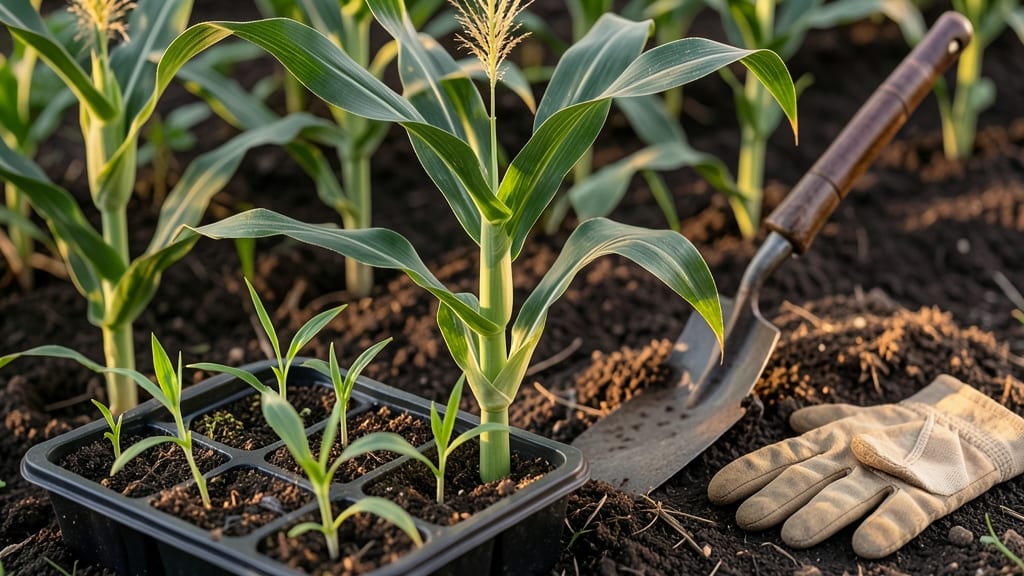
Timing your 🌽 corn planting in Phoenix isn’t just about the calendar—it’s about beating the desert’s extreme heat before it turns your crop into a sad, wilted memory.
With 365 frost-free days and soil that can shift from mild to scorching in weeks, getting those seeds in the ground at the wrong moment means watching your hard work wither under the sun.
Most gardeners in USDA Zone 9b think corn belongs in the summer, but that’s where they go wrong. The sweet spot for Phoenix actually runs from December through February, when cooler temperatures give your plants the best shot at thriving before the real heat kicks in.
Miss this window, and you’ll end up with stunted stalks or ears that never quite reach their full potential.
Here’s the game-changer: I’ll show you exactly when to plant—plus the 3 critical mistakes that even experienced gardeners make. Whether you’re a first-timer or a seasoned grower, these insights will help you grow corn that’s tall, sweet, and ready to harvest by spring.
Ready to skip the guesswork? Let’s dive into the perfect planting schedule for Phoenix’s unique climate, so you can enjoy homegrown corn without the summer stress.
Phoenix corn planting calendar: exact dates to avoid heat stress
Phoenix’s year-round growing potential makes it tricky to pinpoint the perfect corn planting window, but timing matters more than you might think. Unlike cooler climates, corn in Phoenix faces heat stress risks if planted too late, while early planting can lead to stunted growth from inconsistent temperatures.
The key? Plant when soil temps hover between 60-70°F and days are cool enough to avoid bolting.
Most gardeners in Phoenix focus on two ideal planting windows: late winter (December-February) and early fall (September-October). These periods balance cool nights with warm days, giving corn the best shot at consistent germination and ear development.
Let’s break down the exact dates and what to watch for in each window.
🌱 Soil Temperature Matters Most: Corn seeds won’t sprout reliably below 55°F, and above 85°F, they risk heat damage. Use a soil thermometer to check depths of 1-2 inches before planting. In Phoenix, this usually aligns with December-January for spring crops and September for fall.
🌡️ Microclimates Change the Game: Phoenix’s urban heat islands and higher elevations (like North Phoenix) can be 5-10°F cooler than downtown. If you’re in a cooler microclimate, you might push planting 2-3 weeks earlier than the general calendar suggests. Conversely, low-lying areas near the desert floor may need earlier fall planting to escape summer heat.
📅 Spring Planting Window: December 15 – February 15 This is the safest time for corn in Phoenix, offering cool nights and warm days that mimic corn’s native growing conditions. Start seeds indoors 4-6 weeks before your target date if you’re using slow-to-germinate varieties. Direct-sow outdoors once soil temps stabilize above 60°F.
🌽 Fall Planting Window: September 1 – October 15 Fall planting is riskier but can work if you choose fast-maturing varieties (under 90 days) and harvest before November’s heat spike. Plant seeds when soil temps drop below 85°F and nights stay above 55°F. Avoid planting after October 15, as corn won’t have enough time to reach maturity before winter.
Spring vs. Fall Planting in Phoenix
| Factor | Spring Planting (Dec-Feb) | Fall Planting (Sep-Oct) |
|---|---|---|
| Best Soil Temp | 60-70°F | 65-75°F |
| Success Rate | 90%+ with care | 60-80% (risk of heat) |
| Harvest Window | March-May | November-December |
| Heat Risk | Low (cool season) | Moderate-High |
| Variety Recommendation | Standard (90-110 days) | Fast-maturing (<90 days) |
🌱 Pro Tip: Test soil moisture daily in spring—Phoenix’s dry winds can dry out seeds faster than expected.
Phoenix’s lack of frost is a double-edged sword: you can plant corn almost year-round, but heat stress becomes the main enemy. If you miss the ideal windows, consider shade cloth (30-50%) during peak summer afternoons or opt for heat-tolerant varieties like ‘Golden Bantam’ or ‘Pioneer Brand Sweet.’
These can handle short-term heat spikes better than standard corn.
🚨 Avoid These Timing Traps: Planting in March-April often leads to bolting (premature flowering) due to rising temps, while August-September planting risks poor pollination from extreme heat. Stick to the cool-season windows for the best results, and always monitor soil moisture—desert air can dry out young plants in days.
For container gardening, adjust your timeline by 2-3 weeks earlier—pots heat up faster and dry out quicker. Use black plastic mulch to warm soil in spring or straw mulch to retain moisture in fall.
With the right timing and care, you’ll be enjoying homegrown Phoenix corn in no time!
3 Critical signs your corn planting timing is wrong (and how to fix it)
Planting corn in Phoenix at the wrong time can lead to stunted growth or even total crop failure. One of the first warning signs is slow germination—seeds taking longer than 7-10 days to sprout.
This usually means the soil is either too hot or too cold for optimal growth. If you planted in late spring, the heat may have overwhelmed your seeds before they could establish roots.
Another red flag is yellowing leaves that appear within 2-3 weeks of planting. This often indicates heat stress or nutrient deficiency, both of which can happen if you planted too early in the season when temperatures are still fluctuating.
Corn thrives in consistent warmth, so erratic weather can throw off its development.
Here’s how to diagnose and fix these issues quickly. If your seeds aren’t sprouting, try replanting in cooler months like December or January when soil temperatures are ideal (60-75°F).
For yellowing leaves, increase watering frequency to every 2-3 days and apply a balanced fertilizer like 10-10-10 to boost nutrient uptake.
🚨 Warning: Heat Stress in Corn
Symptoms: Wilting leaves, brown tips, or ears that fail to develop fully.
Cause: Planting in summer months when temps exceed 95°F.
Fix: Use shade cloth during peak heat or switch to heat-tolerant varieties like 'Golden Bantam'.
If your corn plants are bolting too quickly (shooting up tall with no ear development), you’ve likely planted too early. This happens when days get longer before the plant is mature enough to support ear formation.
To correct this, stagger your planting by sowing seeds every 2 weeks from December to February to ensure a steady harvest window.
Finally, watch for pests like corn earworms, which thrive in stressed plants. If you notice holes in the silk or chewed kernels, your corn may be struggling due to poor timing.
Boost plant health by mulching with straw to retain moisture and avoid overhead watering to prevent fungal issues.
By recognizing these signs early, you can adjust your planting strategy and still enjoy a bountiful corn harvest—even in Phoenix’s challenging climate. 🌽