
Plants
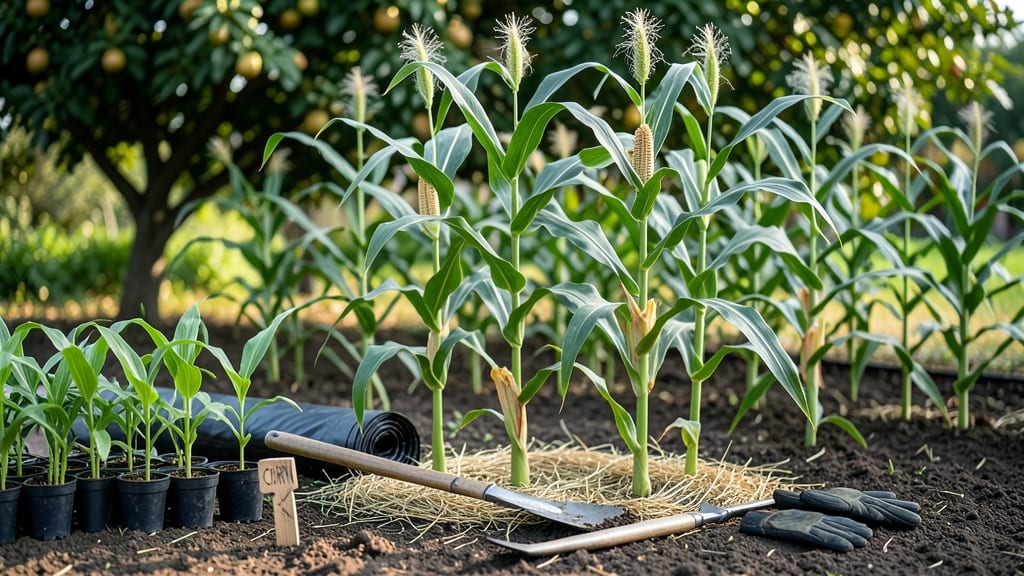
If you've ever dreamed of planting corn in VA and harvesting golden 🌽 ears straight from your garden, timing is everything.
Planting corn at the wrong time in Zone 7a-7b can mean struggling with frost damage or stunted growth, leaving you with disappointing yields instead of the sweet, juicy harvest you crave.
Virginia's climate offers a perfect window for corn growth, but knowing exactly when to plant makes all the difference. Whether you're a first-time gardener or a seasoned grower, these precise planting dates will help you avoid common mistakes and maximize your corn's potential.
From the Piedmont's rolling hills to the Coastal Plain's warmer shores, Virginia's microclimates create unique growing conditions. We'll break down the ideal planting weeks for different corn varieties, so you can adjust based on your local frost dates and soil temperatures.
Ready to transform your garden into a cornfield? Let's dive into the exact week-by-week guide that will help you plant corn at the perfect moment for Virginia's growing season.
Best corn planting dates in Virginia Zone 7a-7b: exact weeks by variety
Timing your corn planting in Virginia is all about balancing soil warmth and frost risk. Most varieties need 60-90 days to mature, so planting too early risks frost damage, while late planting means harvests in fall’s cooler temps.
For Zone 7a-7b, aim for late April to early June, adjusting based on your specific corn type.
Virginia’s last frost dates vary by region: Mid-April in the Tidewater, late April in the Piedmont, and early May in the mountains. Wait until soil temps reach 60°F (use a soil thermometer) to plant—corn won’t germinate well in cooler soil.
Here’s your week-by-week planting guide for Virginia’s most popular corn varieties, including sweet corn, field corn, and popcorn. Adjust dates 1-2 weeks earlier for coastal areas or later for higher elevations.
| Variety | Days to Maturity | Best Planting Window | Soil Temp Requirement | Notes |
|---|---|---|---|---|
| Sweet Corn (e.g., 'Silver Queen') | 60-75 days | Late April - Early May | 60°F+ | Plant in blocks, not rows, for better pollination. |
| Sweet Corn (e.g., 'Ambrosia') | 75-90 days | Early May - Mid-May | 60°F+ | Longer season; ideal for late-summer harvests. |
| Field Corn (e.g., 'Pioneer 39T23') | 100-120 days | Mid-April - Early June | 65°F+ | Needs more space; plant 12" apart in rows 30" apart. |
| Popcorn (e.g., 'Golden Bantam') | 90-110 days | Early May - Early June | 60°F+ | Dwarf variety; great for small gardens. |
For sweet corn, consider planting two successions 2 weeks apart to stretch your harvest season. This works especially well in Virginia’s Zone 7a-7b, where summer heat can cause early bolting or poor ear development if planted too late.
If you’re growing field corn or popcorn, prioritize soil fertility—these varieties are heavier feeders. Add compost or aged manure before planting and side-dress with high-phosphorus fertilizer when plants reach knee height.
Pro tip: Use black plastic mulch to warm soil faster in early spring. This can shave 1-2 weeks off your planting timeline, giving you an earlier start in Virginia’s cooler coastal regions.
Monitor local frost forecasts via the National Weather Service or Virginia Cooperative Extension. If a late frost is predicted after planting, cover seedlings with frost blankets or row covers to protect tender sprouts.
Remember, corn is wind-pollinated, so plant at least 4 rows (or blocks) of the same variety simultaneously. This ensures better pollination and higher yields—critical in Virginia’s humid climate where pollen can disperse quickly.
For a second planting in late June, choose shorter-season varieties like 'Peaches and Cream' (70 days) to harvest before fall’s first frost, typically around mid-October in most of Virginia.
🌽
How to adjust planting for Virginia’s unpredictable spring weather
Virginia’s spring weather is famously fickle—one day brings 60°F warmth, the next a 28°F frost. Corn seedlings can’t handle either extreme, so flexibility is key.
I’ve planted corn for 15 years in Zone 7a-7b, and I’ve learned to watch for three critical signals: soil temperature, frost forecasts, and moisture levels. Even a single late frost can wipe out tender seedlings, while planting too late risks earworm infestations or stunted growth.
Start by testing your soil temperature—corn needs it to stay above 60°F for 7+ days before planting. Use a soil thermometer (or the back of your hand—if it feels warm like a baby’s bath, it’s ready).
In the Piedmont region, this usually happens by mid-April, but Coastal Plain areas can wait until late April. If temperatures dip again, cover seedlings with frost blankets or move pots indoors temporarily.
If frost is forecasted within 3-5 days of planting, delay by 2-3 weeks. Corn planted in cold soil (<55°F) develops weak roots and stunted stalks. Use black plastic mulch to warm soil faster if needed.
Another trick I swear by? Planting in successive batches every 10-14 days after your initial date. This spreads out your harvest and reduces risk. For example, if you plant Silver Queen on April 20th, follow up with another batch on May 5th.
The later planting will mature just as the first batch finishes, giving you 6+ weeks of fresh ears. Just avoid planting after June 15th—corn needs 90-120 days to mature, and late plantings won’t reach full size before frost.
Watch for heatwaves too—temperatures above 90°F can shock seedlings. If a heatwave hits, shade young plants with shade cloth (30-50% coverage) and water deeply at dawn to cool roots.
Mulch with straw or grass clippings to retain moisture and regulate soil temperature. I’ve lost entire rows to drought stress in July when I skipped this step.
For Coastal Virginia gardeners, humidity is the bigger threat. Fungal diseases like corn smut thrive in damp conditions. Space plants 12 inches apart in rows 3 feet apart for airflow, and avoid overhead watering.
Instead, use drip irrigation or soaker hoses to keep foliage dry. If you notice silver-gray lesions on leaves, treat immediately with neem oil or copper fungicide.
Finally, keep an eye on the National Weather Service’s frost forecasts (check www.weather.gov) and local Cooperative Extension offices. They’ll alert you to microclimate variations—like valleys holding frost longer than hilltops. With these adjustments, you’ll beat Virginia’s unpredictable spring and enjoy juicy, homegrown corn all summer long. 🌽