
Plants
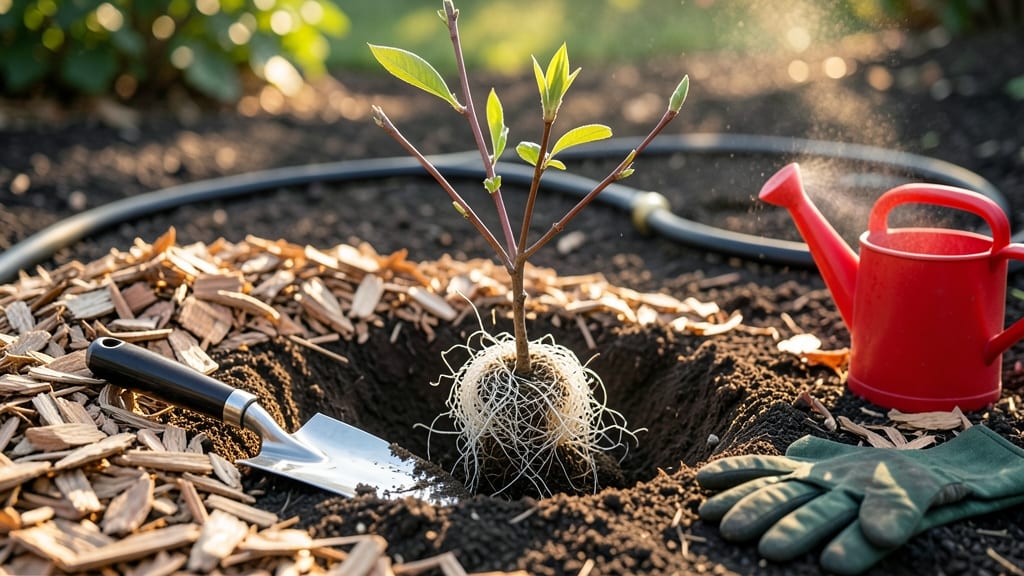
If you're asking "when to plant crape myrtle in Zone 9", timing is everything for those stunning 🌸 blooms that’ll make your landscape stand out.
Unlike cooler climates, Zone 9’s mild winters mean you’ve got a narrower window to get it right—plant too early, and you risk stressing the roots; too late, and you might miss the prime growing season.
The best months for planting crape myrtles here are February through March, when soil temperatures are warming up but before the intense summer heat kicks in. This gives your new plant the perfect head start to establish strong roots before the real growing season ramps up.
Whether you’re dropping a bare-root transplant into the ground or potting one up, the key is well-draining soil and consistent moisture. I’ll walk you through the exact steps to set yours up for success—no guesswork, just vibrant growth from day one.
Ready to skip the trial-and-error? Let’s break down the science behind Zone 9’s planting window and how to keep your crape myrtle thriving year after year.
Optimal planting months for crape myrtle in Zone 9: climate science breakdown
Zone 9 offers a unique advantage for planting crape myrtles—its frost-free climate means you can plant almost year-round. However, the ideal window focuses on soil warmth and rainfall patterns to maximize root establishment.
In most of Zone 9 (like Southern California or Phoenix), late winter to early spring delivers the perfect balance of moderate temperatures and adequate moisture.
Crape myrtles thrive when soil temperatures reach 60°F or above.
In Zone 9, this typically happens by mid-February to early March, making these months the sweet spot for planting. Fall planting (September-October) is also viable in coastal areas with milder winters, but desert regions should avoid late fall to prevent dormancy stress.
The USDA Zone 9 climate varies dramatically—from humid Florida to arid Arizona. Humid zones benefit from spring planting to avoid fungal risks, while desert climates can plant slightly earlier (late January) to escape summer heat.
Always check your local frost dates, even in Zone 9, as microclimates can shift outcomes.
Here’s how soil conditions influence timing: Crape myrtles hate waterlogged soil. In winter, heavy rains can delay planting until drainage improves. Conversely, summer planting (June-August) is risky unless you’re in a coastal area with consistent humidity—otherwise, transplant shock from heat stress is likely.
Container planting offers flexibility, letting you plant crape myrtles in Zone 9’s cooler months (November-December) and move them outdoors when soil warms. This method also helps avoid soil-borne diseases common in overwatered spring gardens.
🌸
| Factor | Zone 9 Ideal Range | Why It Matters |
|---|---|---|
| Soil Temperature | 60°F+ | Encourages root growth; below 55°F stunts development. |
| Rainfall | 0.5–1.5 inches/month | Too much = waterlogging; too little = drought stress. |
| Humidity | 30–60% | High humidity (e.g., Florida) increases fungal risks in summer. |
| Day Length | 10–14 hours | Longer days boost photosynthesis for faster establishment. |
| Best Months | March–April (primary); September (coastal) | Aligns with soil warmth, rainfall, and minimal pest pressure. |
For desert Zone 9 gardens (e.g., Tucson), aim for January–February planting to beat the summer heat. Pre-soak bare-root crape myrtles for 24 hours before planting to reduce transplant shock.
In humid zones like Miami, prioritize well-draining soil to prevent root rot—amend clay soil with compost or sand.
Post-planting, mulch with 2–3 inches of organic mulch (e.g., pine straw) to retain moisture and regulate soil temperature. Water deeply 2–3 times per week for the first month, then taper to weekly deep watering once established. Avoid overhead watering to protect delicate blooms from fungal diseases.
If you miss the ideal window, don’t panic! Fall planting (August–September) works in cooler microclimates, but avoid planting after July 15 in hot inland areas—the heat stress can overwhelm young roots.
Always monitor your plant’s leaf color: dark green means thriving; yellow or wilted signals stress or poor timing.
🌿
Optimal planting months for crape myrtle in Zone 9: climate science breakdown
Zone 9’s mild winters and hot summers create a unique challenge for planting crape myrtles. Unlike cooler zones, you don’t have to worry about frost damage, but soil temperature and rainfall patterns become your new focus.
The ideal window is when daytime temps consistently stay above 60°F—typically late February through March—giving roots time to establish before summer’s intensity.
In coastal areas like Southern California, you might start as early as February when morning fogs lift, while inland desert regions like Arizona should wait until March to avoid early-season heat stress.
Evenings below 50°F can slow root growth, so aim for a 4-6 week window where temps stay moderate.
Fall planting is possible but riskier in Zone 9. If you opt for September-October, prioritize well-draining soil and consistent moisture to help roots adapt before winter’s mild chill sets in. However, most gardeners in Zone 9 prefer spring planting for its reliability.
🌱 Pro Tip: Use a soil thermometer to confirm temps are above 60°F before planting—this is your green light for success!
Zone 9 Crape Myrtle Planting Conditions
| Factor | Ideal Range | Zone 9 Reality |
|---|---|---|
| Soil Temperature | 60°F+ | Feb-Mar: 65-75°F |
| Rainfall | Moderate | Low in deserts, high in coastal |
| Daylight Hours | 10-12 hours | Consistent year-round |
| Humidity | 30-50% | Varies by region (low desert, high coastal) |
While March-April is peak planting time, don’t dismiss May entirely. Young crape myrtles can handle the heat if established with deep watering and mulch. However, avoid planting in June-August—the extreme heat can shock tender roots, even with proper care.
For container planting, timing is slightly more flexible. You can plant bare-root crape myrtles in February-May as long as you monitor soil moisture closely. Containers dry out faster in Zone 9’s heat, so self-watering pots are a game-changer for summer plantings.
🌿 Key Takeaway: The 45-day rule applies—plant when you can commit to consistent watering for at least 6 weeks post-planting to ensure root establishment.