
Plants
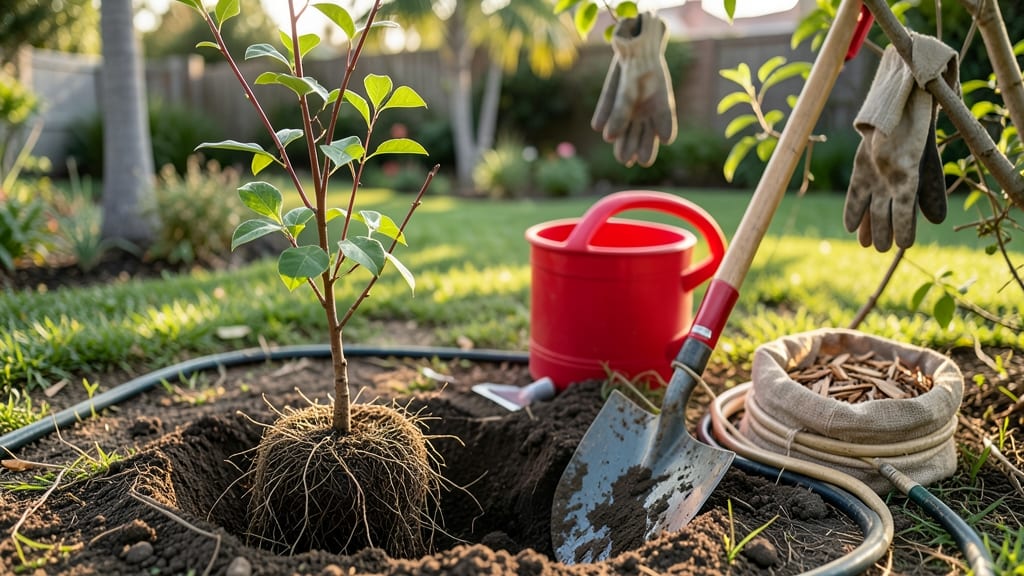
Planting your crepe myrtle 🌸 at the wrong time in North Carolina can mean the difference between a thriving tree and one that struggles to survive. Whether you're in the Piedmont's cooler microclimate or the warmer Coastal Plain, getting the timing right is critical for root establishment and vibrant blooms.
Most gardeners in Zones 7b-8a wait until late winter to early spring, but there's more to it than just picking a month.
Soil temperatures need to reach at least 60°F before planting, and waiting until after the last frost date (usually mid-March) gives your crepe myrtle the best chance to thrive.
I'll walk you through exactly when to plant based on your specific location, plus how to prepare your soil and care for your new tree after planting. Skip the guesswork—these insights will help you avoid common mistakes that stunt growth.
From choosing the right variety for your climate to understanding how microclimates affect timing, you'll learn everything needed to give your crepe myrtle the perfect start. Let's get those roots growing strong!
Optimal planting windows for crepe myrtles in NC Zones 7b-8a
North Carolina’s USDA Zones 7b-8a offer two ideal windows for planting crepe myrtles: early spring (March-April) and fall (October-November). Spring planting aligns with rising soil temperatures, while fall gives roots time to establish before winter dormancy.
For Zone 7b (Raleigh, Asheville), aim for mid-March to early April—after the last frost (March 15 average) but before summer heat arrives.
In Zone 8a (Charlotte, Greensboro), extend your window to late February through May, as milder winters reduce frost risk. Coastal areas (e.g., Wilmington) can plant slightly earlier (February) due to warmer microclimates. Always prioritize soil temperatures above 60°F—cold soil stunts root growth.
| Zone & Location | Ideal Planting Window | Soil Temp Threshold | Key Consideration |
|---|---|---|---|
| Zone 7b (Raleigh, Asheville) | Mid-March to early April | 60–65°F | Avoid late frosts; mulch heavily |
| Zone 8a (Charlotte, Greensboro) | Late Feb–May | 55–60°F | Extend window; heat stress risk in May |
| Coastal (Wilmington, Morehead City) | Feb–early April | 58–62°F | Warmer microclimate; plant early |
For fall planting, North Carolinians should focus on October (Zone 7b) or November (Zone 8a). This gives roots 6–8 weeks to establish before winter dormancy. Avoid planting in late November, as cold soil (<50°F) can damage roots. Use a soil thermometer to confirm readiness—ideal temps hover around 55–60°F.
Container-grown crepe myrtles offer flexibility. Plant them anytime soil isn’t frozen, but prioritize spring (March-April) for best root establishment. Containers warm faster than ground soil, so monitor moisture closely—dry soil stresses young roots.
If planting in late spring (May), water deeply 3x/week for the first month to combat heat stress.
Microclimates play a crucial role. Piedmont regions (e.g., Winston-Salem) have cooler nights, while Coastal Plain areas (e.g., Fayetteville) stay warmer. Adjust your window by 1–2 weeks earlier in coastal zones. For example, plant 'Natchez' crepe myrtles in late February near Wilmington but wait until mid-March in Boone.
Pro tip: Use mulch (3–4 inches) after planting to regulate soil temperature. Organic mulch (pine straw, wood chips) insulates roots in spring’s fluctuating temps.
In Zone 8a, apply mulch in early March to prevent heat spikes; in Zone 7b, add it in late April to protect from late frosts.
If you miss the ideal window, don’t panic. Transplant shock is higher in summer, but crepe myrtles tolerate late spring (May) planting if you:
- Provide daily shade for 2–3 weeks post-planting
- Water at soil level (not leaves) to avoid fungal issues
- Use root stimulator at planting time
For bare-root crepe myrtles, plant in early spring (March) only—these need immediate root contact with warm soil. Soak roots for 1–2 hours before planting to reduce transplant shock. In Zone 7b, delay bare-root planting until after April 15 to avoid frost damage.
Remember: Crepe myrtles hate soggy soil. If your spring brings heavy rains, delay planting until the ground drains well. Test drainage by digging a 12-inch hole—if water pools after 6 hours, amend soil with compost or sand before planting. 🌸
Signs your North Carolina soil is ready for crepe myrtle planting
Before sticking your crepe myrtle 🌸 in the ground, check these 3 key soil conditions to ensure success. Cold, soggy soil can suffocate roots, while dry, overheated soil stresses young plants. I’ve learned the hard way—skipping these checks often leads to stunted growth or even plant death.
First, test your soil temperature using a soil thermometer. Crepe myrtles thrive when soil reaches at least 60°F. In North Carolina’s Zone 7b-8a, this typically happens by mid-to-late March, but coastal areas may warm earlier. Pro tip: Morning is the best time to check—soil cools overnight.
Next, assess moisture levels. Stick your finger 2-3 inches deep—if the soil feels damp but not soggy, it’s ready. Overly wet soil in spring (common after heavy rains) can cause root rot. If your soil is waterlogged, hold off until it dries slightly.
A simple drainage test works too: Dig a small hole, fill it with water, and time how long it takes to drain. 1-2 hours is ideal.
Planting crepe myrtles in cold, wet soil (below 50°F) shocks roots and delays growth. I once planted mine in early February, and it took 3 weeks just to show new leaves! Wait until soil warms to 60°F+ for faster root establishment.
Signs your soil is too cold:
- Slow root growth (check by gently lifting the tree after 2 weeks)
- Yellowing leaves (not enough warmth for photosynthesis)
- Mushy soil when pressed (indicates frost risk)
Don’t overlook soil pH, either. Crepe myrtles prefer slightly acidic to neutral soil (pH 5.5-7.0). Test your soil with a kit (available at garden centers) or send a sample to the NC State Extension for a free analysis.
If your soil is too alkaline (common in Piedmont regions), amend it with sulfur or peat moss before planting.
For container planting, soil readiness is even more critical. Use a well-draining potting mix (like a 60/40 blend of peat moss and perlite) and ensure your pot has drainage holes.
Place containers in a sheltered spot (like a patio covered with shade cloth) until soil temps stabilize. I’ve seen potted crepe myrtles thrive in containers if given the right conditions!
If you’re delayed planting due to rain or cold snaps, don’t panic. Bare-root crepe myrtles can wait until soil warms, but container-grown trees need immediate planting. For a quick fix, heap mulch around the base to insulate roots and water deeply every 5-7 days until you can plant.
Just remember: No planting after mid-May—summer heat will stress young roots.