
Plants
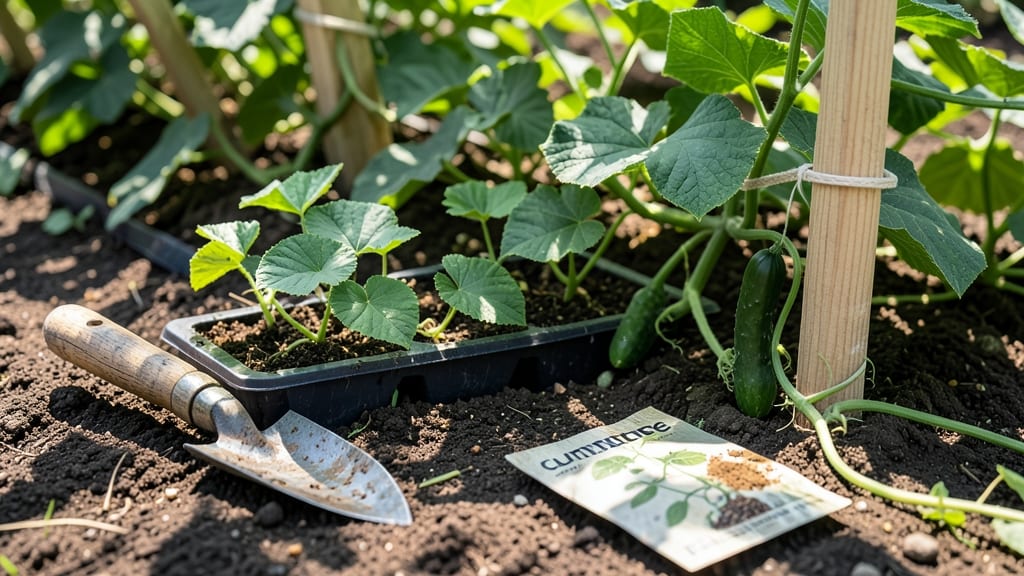
Timing your cucumber planting in Australia can make or break your harvest—especially when those tender 🥒 vines face unexpected frost or scorching heat. Unlike other crops, cucumbers demand warmth to thrive, but Australia’s climate swings from tropical humidity in the north to chilly temperate zones in the south.
If you’ve ever watched your seedlings wilt after a late frost or struggled with poor fruit set in summer’s intensity, you’re not alone. The key lies in understanding your regional heat zone—whether you’re in frost-prone Victoria or year-round tropical Queensland—and planting at the perfect moment.
Miss the window, and you risk stunted growth or even total crop failure.
In this guide, I’ll break down the exact planting windows for every major Australian region, including frost-free deadlines and soil temperature tips. You’ll also discover how to extend your harvest season with simple tricks like succession planting and greenhouse hacks—no matter where you garden.
Ready to turn your cucumber patch into a productive powerhouse? Let’s dive into the must-know timing that’ll have you picking crisp, homegrown 🥒 all season long.
Australia’s cucumber planting zones: frost-free deadlines by state
Australia’s vast climate zones—from tropical Queensland to cool temperate Tasmania—create dramatic differences in cucumber planting deadlines. Unlike frost-hardy crops, cucumbers need soil temperatures above 18°C to thrive, making timing everything. In Northern Australia, you can plant year-round, while Southern states face strict frost risks and shorter growing seasons.
Let’s break down the exact planting windows for each region to help you avoid common pitfalls like frost damage or summer burnout.
First, check your local frost-free dates—these are your planting gateways. For example, Melbourne’s last frost typically hits in early June, but cucumbers won’t tolerate cold soil. That means waiting until late September to plant, even though frost risk has passed.
Meanwhile, in Brisbane, cucumbers can go in as early as late July when soil warms up. Understanding these nuances is key to a successful harvest.
Here’s a region-by-region breakdown of when to plant cucumbers in Australia, including climate types, last frost dates, and ideal planting windows to maximize your yield:
| Region | Climate Type | Average Last Frost Date | Ideal Planting Window | Key Risks |
|---|---|---|---|---|
| Queensland (Brisbane, Cairns) | Tropical/Subtropical | Mid-June to early July (varies) | Late July to September (soil temps >18°C) | Heat stress in summer; cyclones |
| New South Wales (Sydney, Hunter Valley) | Temperate | Mid-June to early July | Late August to October (after last frost) | Late frosts; summer drought |
| Victoria (Melbourne, Geelong) | Temperate | Early June to mid-June | Late September to November | Frost risk; winter rains |
| South Australia (Adelaide, Barossa) | Mediterranean | Early June | Late October to December | Dry summers; heatwaves |
| Western Australia (Perth) | Mediterranean | Early June | Late September to November | Soil moisture loss; heat |
| Tasmania (Hobart, Launceston) | Cool Temperate | Late May to early June | Mid-November to January | Short growing season; frost |
Notice how Tasmania’s short growing season limits cucumbers to a late-summer harvest, while Northern Australia allows for year-round planting in ideal conditions. Even within states, microclimates matter—coastal Sydney may plant earlier than the Hunter Valley, which experiences later frosts.
Always check local weather patterns and historical frost data for your specific suburb.
For cooler regions like Victoria and Tasmania, soil warming is critical. Use black plastic mulch or cloches to raise soil temperatures 2–3 weeks before planting. In hotter zones like Perth and Adelaide, focus on shade cloth during peak summer to prevent heat stress and blossom drop.
This simple adjustment can double your yield in extreme climates.
Pro tip: Fast-maturing varieties (e.g., ‘Excelsior’ or ‘Socrates’) are perfect for short-season areas like Tasmania, while vining types (e.g., ‘Telephone’) thrive in longer summers like Queensland’s. Match your cucumber type to your local climate for the best results.
Next, we’ll cover how to extend your cucumber season using greenhouses, row covers, and succession planting—essential strategies for cooler climates or avoiding summer burnout in hot zones. 🌱
How to extend your cucumber season: greenhouse tips & succession planting
Australia’s diverse climates mean some regions—like Tasmania and the Victorian Alps—have short growing seasons, while others, such as Perth and Adelaide, face scorching summers that can stress cucumber plants. The key to a longer harvest?
Strategic planning. By using season-extending techniques, you can push your cucumber season earlier or later, ensuring fresh produce from September to April—or even year-round in the tropics!
For cooler climates, greenhouses and row covers are game-changers. These protective structures trap heat, allowing you to start planting 2–4 weeks earlier than outdoor deadlines. In Melbourne or Canberra, this could mean cucumbers as early as late August, rather than waiting for September.
Even a simple frost blanket can shield young seedlings from unexpected cold snaps, giving vines a head start.
Another smart tactic is succession planting. Instead of sowing all your seeds at once, stagger plantings every 2–3 weeks from September to December in temperate zones. This ensures a steady supply of fresh cucumbers and prevents a single overwhelming harvest.
In Northern Australia, where frost isn’t a concern, you can even plant year-round, but focus on fast-maturing varieties like ‘Socrates’ to avoid summer burnout.
Soil temperature is often the limiting factor in cooler regions. To speed up germination, lay down black plastic mulch 1–2 weeks before planting. This simple trick can raise soil temps by 5–10°C, helping cucumbers sprout faster in Tasmania or Victoria.
Pair this with a trellis system to improve airflow, reducing the risk of powdery mildew—a common issue in humid summers like those in Queensland.
In hot, dry zones like Perth or Adelaide, the challenge shifts to soil moisture retention. Use mulch to lock in water and reduce evaporation, and opt for drought-tolerant varieties like ‘Excelsior’.
These plants handle heat better and produce fruit even when temps soar. For container growers, self-watering pots or drip irrigation systems can make all the difference in maintaining consistent moisture.
🌱 5 Pro Tips for Cooler Climates
- Use frost blankets or cloches to plant cucumbers 2–3 weeks earlier in frost-prone areas (e.g., Melbourne, Canberra).
- Sow fast-maturing varieties (e.g., ‘Socrates’ or ‘Excelsior’) in December–January for a late-summer harvest in hot zones (e.g., Sydney, Brisbane).
- Warm soil with black plastic mulch 1–2 weeks before planting to accelerate germination in cool regions (e.g., Tasmania, Victoria).
- Plant trellised varieties (e.g., ‘Telephone’) to improve airflow and reduce disease risk in humid summers (e.g., Queensland).
- Try succession planting every 2–3 weeks from September to December in temperate zones to stagger harvests and avoid glut.
Even in the tropics, timing matters. In Northern Queensland, where frost is rare, focus on shade cloth during peak summer to protect plants from intense UV rays and heat stress. Pair this with regular pruning to encourage bushier growth and better fruit set.
With these strategies, you can enjoy homegrown cucumbers for nearly half the year—or longer, depending on your climate!
Experiment with these techniques to find what works best for your garden. Whether you’re battling cool winters or scorching summers, extending your cucumber season is all about adaptation and proactive planning. Start small, keep notes, and soon you’ll have a year-round supply of crisp, homegrown cucumbers! 🥒