
Plants
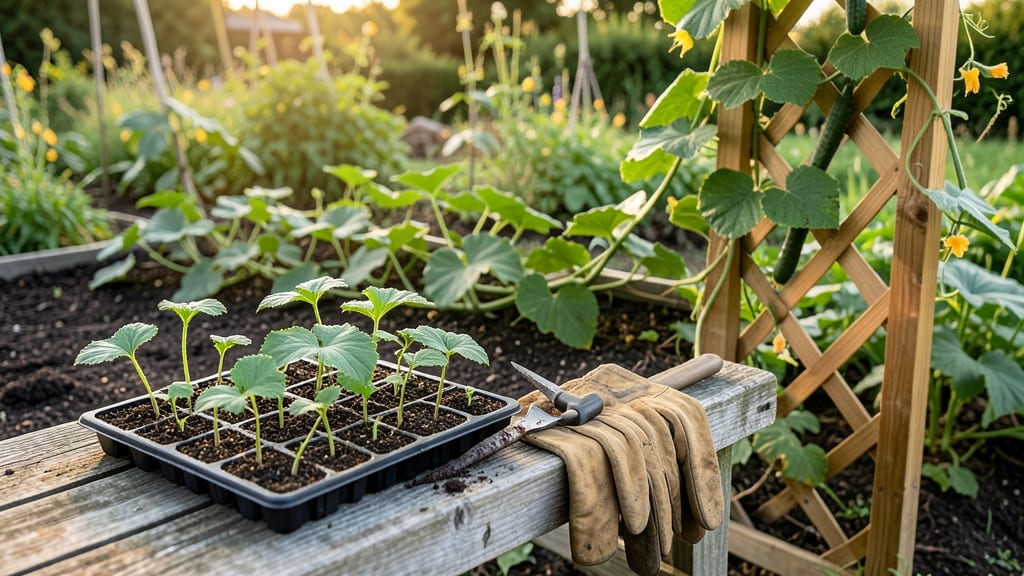
Timing your cucumber planting in East Tennessee can mean the difference between a thriving 🥒 harvest and a sad, wilted disappointment. With USDA zones 6a-7b bringing unpredictable frosts and scorching summers, knowing when to plant is the key to success.
Most gardeners in the region wait until after the last frost date—typically around April 15—but that’s just the starting point. The real secret lies in soil temperature, heat-resistant varieties, and microclimates that vary from the Smoky Mountains to Knoxville’s urban heat islands.
In this guide, I’ll break down the exact planting windows for both cool-season and warm-season cucumbers, plus the best varieties that thrive in East Tennessee’s humidity. Whether you’re a first-time gardener or a seasoned pro, these tips will help you extend your harvest from June all the way to October.
Ready to grow cucumbers that actually produce? Let’s dive into the strategies that work in your backyard—no guesswork required.
Optimal planting windows for East Tennessee cucumbers (zone 6B/7A)
Timing your cucumber planting in East Tennessee is all about beating the last frost date (typically April 15) while avoiding the region’s sweltering summer heat. The 60°F soil temperature threshold is your green light—wait until then for direct sowing or transplants.
In Zone 6B/7A, this usually falls between mid-April and mid-May, but microclimates (like cooler mountain valleys) may delay planting by 1-2 weeks.
For Knoxville’s urban heat islands, you can plant 1-2 weeks earlier than rural areas, thanks to faster soil warming. Meanwhile, Smoky Mountain elevations (above 2,000 ft) may need to wait until late May to avoid late frosts.
Always check your local Cooperative Extension Service for updated frost data—it’s your best friend for precision planting.
Here’s the month-by-month breakdown for direct sowing vs. transplants, tailored to East Tennessee’s climate quirks:
| Stage | Task | Notes for East TN |
|---|---|---|
| Early April | Prep soil | Add compost and black plastic mulch to warm soil faster. |
| Mid-April | Start transplants indoors | Use grow lights for 12+ hours/day. |
| Late April | Direct sow after frost | Wait for soil temp ≥60°F; plant seeds 1 inch deep. |
| Early May | Transplant seedlings | Hardening-off required; space 12-24 inches apart. |
| Mid-May | Succession plant | Sow every 2 weeks for continuous harvests. |
| June–July | Harvest begins | Pick frequently to prevent powdery mildew. |
Pro tip: Use row covers if planting early, but remove them when flowers appear to allow bee pollination. In humid East Tennessee, cucumbers thrive with consistent moisture—aim for 1-2 inches of water per week, especially during July’s heat spikes.
Let’s talk varieties next—some handle our climate better than others!
For mountain gardens, consider trellising cucumbers to improve airflow and reduce disease pressure. The Smoky Mountains’ cooler nights can actually benefit certain varieties, but you’ll need to choose heat-tolerant types to compensate for daytime warmth.
Always monitor your plants for early signs of stress, like yellowing leaves or stunted growth—these can signal nutrient deficiencies or pests.
If you’re in Knoxville’s urban areas, watch for heat islands that can push soil temps 10°F+ higher than rural zones.
Adjust your planting schedule accordingly—sometimes late April is safe for city gardens when it’s still risky in the countryside. Microclimates matter, so observe your garden’s unique conditions for the best results.
Remember: Cucumbers are warm-season crops, so planting too early (before May 1) risks frost damage, while planting too late (after June 1) may result in bolted plants that produce bitter fruit. Strike that balance, and you’ll enjoy crisp, sweet cucumbers from June through October.
For container gardening in East Tennessee, choose bush varieties like ‘Bush Champion’ to save space. Containers dry out faster, so water daily during summer and use self-watering pots if possible. Place containers in full sun spots with south-facing exposure for maximum heat absorption.
Optimal planting windows for East Tennessee cucumbers (zone 6B/7A)
East Tennessee’s unpredictable spring frosts and hot, humid summers create a tight window for cucumber planting. The key is waiting until after your average last frost date—typically mid-April in Knoxville and slightly later in higher elevations like the Smokies.
Soil temperature must reach at least 60°F for seeds to germinate properly.
For most of East Tennessee, this means starting seeds indoors 3-4 weeks before your target outdoor planting date (around mid-March for early starts). Harden off seedlings before transplanting outdoors after May 1, when nighttime temperatures consistently stay above 50°F.
In mountain regions, wait until May 15 to avoid late frosts.
| Planting Method | Zone 6B Window | Zone 7A Window | Key Consideration |
|---|---|---|---|
| Direct Sowing | May 10–20 | April 25–May 10 | Soil must be 60°F+ |
| Transplanting | April 20–May 5 | April 10–20 | Use row covers for early starts |
| Succession Planting | June 15–July 1 | June 1–15 | Extend harvest into fall |
If you’re in Knoxville’s urban heat islands, you can plant 2 weeks earlier than mountain areas. Test soil temperature with a thermometer—cold soil delays germination and invites rot. For extra warmth, lay down black plastic mulch 1-2 weeks before planting to raise soil temps by 5-10°F.
For a fall harvest, sow heat-tolerant varieties like 'Straight Eight' in early July. Use row covers to protect from late-season pests and mulch heavily to retain moisture during East Tennessee’s dry Augusts. Harvest before first frost (mid-October) to avoid bitter cucumbers.
Remember: Cucumbers hate cold feet. Even a single 40°F night can stunt growth. Monitor your local Mountain Weather Center for frost forecasts, especially in higher elevations where microclimates shift rapidly.
🌱