
Plants
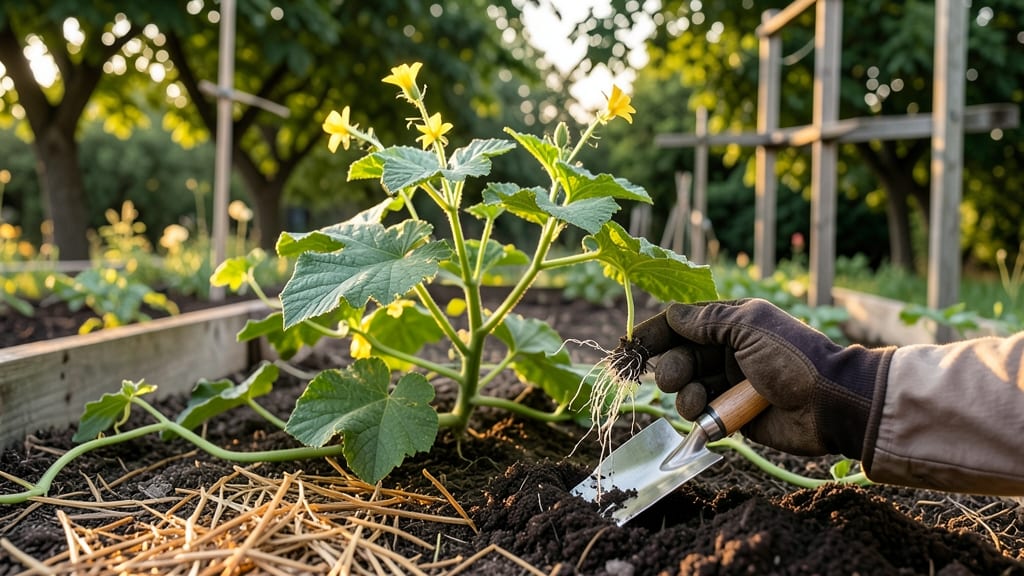
Timing your cucumber planting in North Carolina isn’t just about the calendar—it’s about unlocking bountiful harvests while dodging pests and heat stress. Plant too early, and frost will nip your vines in the bud; too late, and summer’s sweltering temps can turn your garden into a sauna for 🥒 plants.
The sweet spot? A 60°F soil temperature and post-frost dates that vary from Zone 7a’s cooler hills to 8b’s coastal warmth.
Most gardeners in North Carolina swear by two planting windows: April 15–June 1 for spring cucumbers and July 15–August 15 for summer varieties. But here’s the secret sauce—microclimates matter.
A mountain garden in Asheville (Zone 7a) might need to wait until May 1, while coastal Wilmington (Zone 8b) can start as early as April 1. Get this wrong, and you’ll watch your plants wilt under stress or attract cucumber beetles like a buffet.
So how do you nail the perfect timing? It’s not just about dates—it’s about soil warmth, humidity, and even the type of cucumber you’re growing. Bush varieties tolerate heat better than vining types, and black plastic mulch can shave weeks off your planting window.
I’ll break down the exact steps to time your cucumbers like a pro, so you’re harvesting crisp, homegrown 🥒 from June through October.
Ready to turn your garden into a cucumber powerhouse? Let’s dive into the zone-specific planting calendar, variety picks, and pro tips to keep your vines thriving—no guesswork, just guaranteed yields. Your first crisp cucumber is closer than you think.
North Carolina cucumber planting dates by microclimate Zone (7a-8b)
Timing your cucumber planting in North Carolina depends on your specific USDA zone and local microclimate. While the Tar Heel State spans Zones 7a-8b, coastal areas like Wilmington experience milder winters, while inland regions like Raleigh face later frost threats.
The key is planting when soil temperatures hit 60°F+ and all frost risk has passed.
For Zone 7a (western NC mountains), aim for April 15-May 1 after your last frost date. In Zone 8a (coastal areas), you can start as early as March 20-April 1 in protected beds. Mountainous regions may need to wait until May 10 to avoid cold snaps.
Here’s how to pinpoint your exact window using frost-free days and soil warmth:
| Zone | Last Frost Date | Ideal Planting Window | Soil Temp Threshold | Notes |
|---|---|---|---|---|
| 7a (Mountains) | April 1 | April 15–May 1 | 60°F+ | Use row covers for earlier starts |
| 7b (Piedmont) | March 25 | April 1–April 15 | 60°F+ | Black plastic mulch speeds soil warming |
| 8a (Coastal) | March 15 | March 20–April 1 | 55°F+ (earlier) | Humidity increases disease risk |
| 8b (Southern) | March 10 | March 15–March 31 | 58°F+ | Succession plant every 2 weeks |
If you’re planting seeds directly (not seedlings), start 4-6 weeks before your ideal window. For example, in Zone 7b, sow seeds indoors on March 1 or use biodegradable pots outdoors on March 15 with row covers.
For a second harvest, plant again in late June-July (after Memorial Day). This works best in Zones 8a-8b where heat persists. Use heat-tolerant varieties like ‘Straight Eight’ or ‘Lemon Cucumber’ to avoid bitter fruit.
Pro tip: Check your local Cooperative Extension Service for hyper-local frost data. For instance, Asheville’s last frost is often 2 weeks later than Raleigh’s, even though both are Zone 7b.
Always monitor soil temperature with a probe—cucumbers won’t germinate below 60°F. If your soil is cold, use black plastic mulch or a cold frame to create a warmer microclimate.
🌱
5 Critical factors that determine your perfect cucumber planting time
Planting cucumbers in North Carolina isn’t just about checking the calendar—it’s about understanding your garden’s unique conditions. The 5 critical factors that separate a thriving cucumber patch from a failed experiment are soil temperature, humidity levels, pest pressure, heatwave risks, and microclimate variations.
Ignore any of these, and you’ll watch your plants struggle or attract pests like cucumber beetles before they even sprout.
First, soil temperature is non-negotiable. Cucumbers need soil that’s at least 60°F to germinate properly. In Zone 7a, this might mean waiting until mid-May, while Zone 8b’s warmer soils can be ready by early April.
Use a soil thermometer to check—planting too soon in cold soil leads to slow germination and weak seedlings.
Next, humidity levels play a huge role. North Carolina’s coastal areas (like Wilmington) have higher humidity, which can encourage fungal diseases like powdery mildew. In these zones, opt for disease-resistant varieties and space plants 3 feet apart for better airflow.
In drier inland areas, mulch heavily to retain moisture and reduce stress on your vines.
Soil Temperature
Wait until soil reaches 60°F+. Use black plastic mulch to warm soil faster in cooler zones (7a).
Humidity & Airflow
High humidity? Choose disease-resistant varieties and space plants 3+ feet apart. Mulch to balance moisture.
Pest Pressure
Use row covers early to block cucumber beetles. Plant bush varieties to reduce hiding spots for pests.
Heatwave Risks
Plant heat-tolerant varieties like ‘Straight Eight’ in summer. Provide shade cloth if temps exceed 90°F for days.
Microclimate
Mountain zones (7a) plant 2 weeks later than coastal (8b). Observe your garden’s sun exposure and wind patterns.
Pest pressure is another game-changer. Cucumber beetles and squash bugs can devastate young plants in just days. My secret weapon? Row covers for the first 2 weeks after planting. These lightweight fabrics block pests while letting sunlight and water through. For extra protection, interplant cucumbers with nasturtiums—their peppery scent repels beetles naturally.
Don’t overlook heatwave risks, especially in Zone 8b’s summer. Temperatures above 90°F can cause cucumbers to turn bitter or stop producing. If a heatwave hits, provide shade cloth (30-50%) or use drip irrigation to keep roots cool. Heat-tolerant varieties like ‘Marketmore 76’ handle the stress better than standard types.
Finally, your microclimate dictates everything. A garden in the Blue Ridge Mountains (Zone 7a) might need to wait until May 15 for safe planting, while a coastal garden in Morehead City (Zone 8b) can start as early as April 1.
Observe your space: Is it sheltered from wind? Does it get afternoon shade? These details can shift your planting window by 2-3 weeks. 🌱